Septic systems are an eco-friendly option for waste management, offering numerous environmental benefits. Unlike centralized sewer systems, septic systems treat wastewater onsite, reducing the energy footprint associated with long-distance transportation of wastewater. This localized approach not only minimizes the risk of environmental contamination but also mitigates the emission of greenhouse gases, often associated with the lengthy pipeline systems used in urban sewage facilities. Septic systems also facilitate the natural filtration and biodegradation processes that occur in the soil, leveraging naturally occurring bacteria to break down organic matter effectively. These systems are designed to recharge local water tables by allowing treated effluent to percolate back into the ground, replenishing the aquifer and fostering a sustainable water cycle. Moreover, because they're decentralized, septic systems significantly reduce the demand on municipal wastewater treatment facilities, alleviating stress on large-scale infrastructure and helping to avoid the costs and environmental impacts associated with expanding these urban systems. Communities utilizing septic systems often witness improved water quality in local water bodies as these installations inherently encourage better land-use practices and more conscious water management. Overall, with proper maintenance and regular inspection, septic systems serve as an environmentally responsible choice that supports ecosystem balance and promotes sustainable living.
Septic Rentals in Valley Forge, Tennessee
Call today for a free quote (423) 740-6901
Septic
Fast, Easy, & 100% Free To Get Started
Over 20 Years Of Experience
MC Septic has proudly served the Valley Forge community with over 20 years of experience, highlighting our commitment to quality and local ties. Our longstanding history enables us to provide reliable, tailored sanitation solutions that meet both residential and commercial needs.
Unmatched Quality Service
At MC Septic, we take pride in offering superior quality service that ensures your sanitation needs are met with efficiency and excellence. Our dedication to maintaining high standards guarantees clean, reliable facilities for every occasion.
Prompt and Reliable Delivery
MC Septic focuses on fast, reliable deliveries, ensuring your events and projects in Valley Forge or Tennessee run smoothly without delays. Trust our efficient service to consistently meet your sanitation needs on time, every time.
Your Reliable Septic Solutions in Valley Forge
Call for a Free Quote Today
(423) 740-6901
Discover exceptional septic services with MC Septic in Valley Forge, Tennessee, where our locally owned business stands as a cornerstone of reliability and expertise. With a commitment to customer satisfaction, we offer seamless service for a variety of events, including construction sites, weddings, parties, and festivals throughout Valley Forge and the surrounding areas. Our team is dependable, ensuring that your needs are met with precision and on time, every time. Locally owned means we understand the community's specific needs and are always within reach, ready to assist with personalized and professional solutions. Our dedication to service integrity makes us a trusted partner in sanitation, promising quality and excellence. For comprehensive and efficient septic solutions, choose MC Septic and experience the peace of mind that comes with a trusted local service provider.

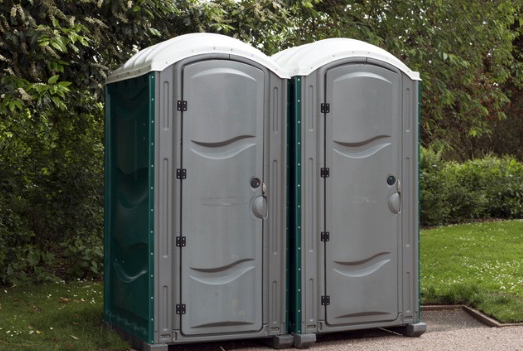
Durable, single-unit restroom with ventilation, an “In-Use” locking mechanism, and a hand sanitizer dispenser. A practical, sanitary solution for construction sites, events, and outdoor gatherings.
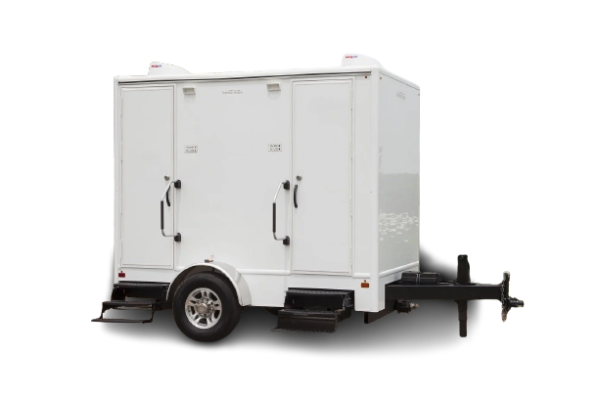
Multi-stall facility featuring flushing toilets, sinks with running water, interior lighting, and climate control. Perfect for weddings, festivals, and VIP events.
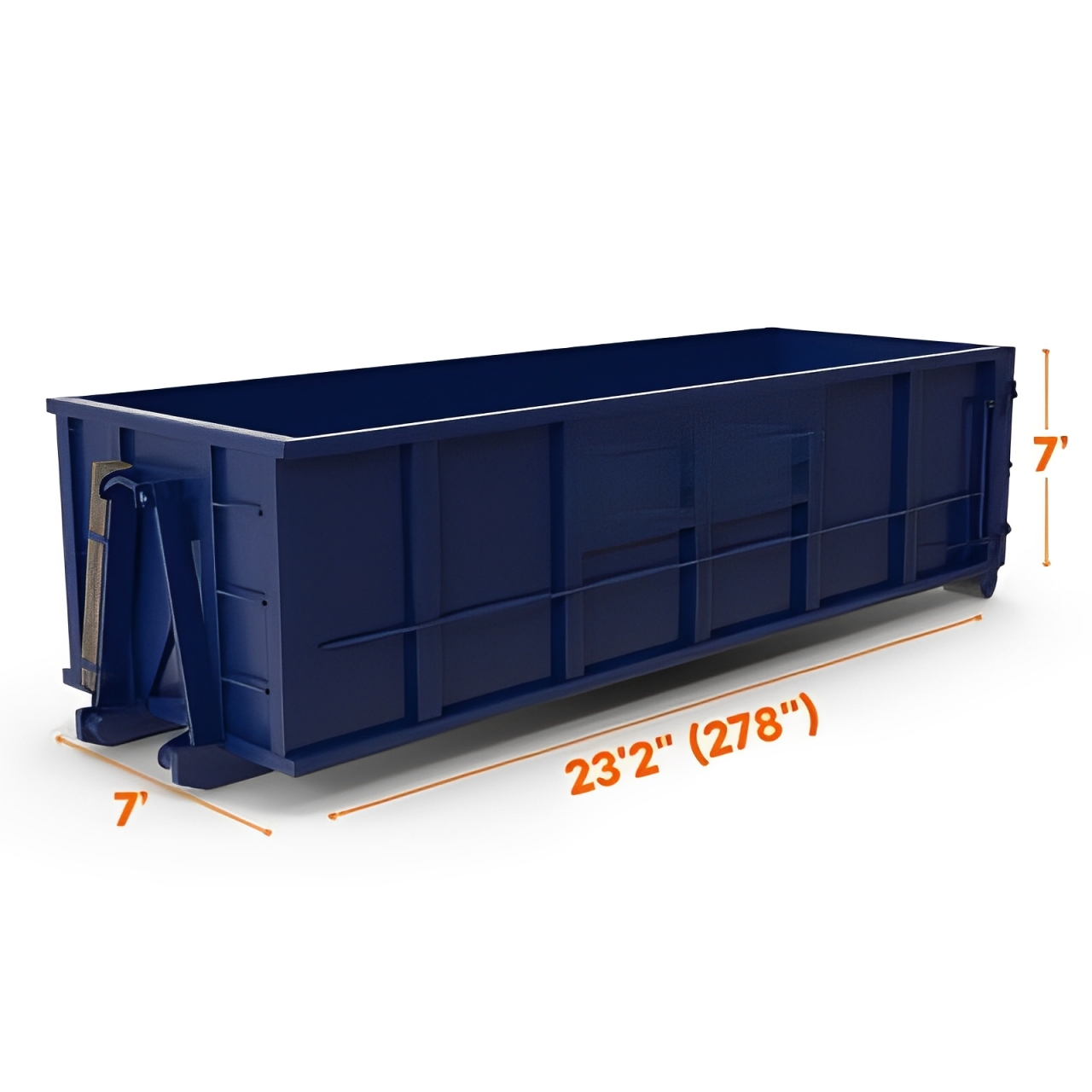
Large, open-top waste containers ideal for construction debris, home renovations, and cleanouts. We offer sizes ranging from 16-yard to 40-yard dumpsters to fit any project’s needs, ensuring easy, efficient disposal at your site.
We Proudly Serve
Standard Portable Toilets
Our Standard Portable Toilets offer essential sanitation with ease of installation for any event or worksite in Tennessee.
High Rise Portable Toilets
High Rise Portable Toilets provide convenient, elevated sanitation solutions for high-level construction projects in Valley Forge.
Restroom Trailers
Restroom Trailers at Valley Forge offer premium sanitation with all the comforts of home, perfect for upscale events.
Roll off Dumpsters
Our Roll off Dumpsters in Valley Forge make waste disposal both easy and efficient for projects of any size.
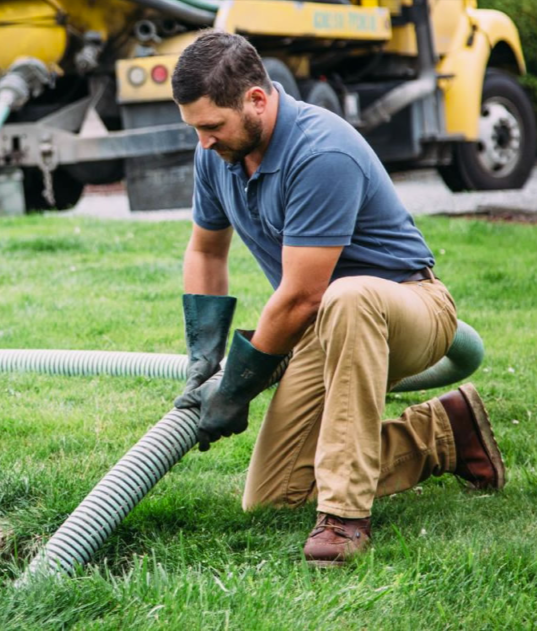
Septic Tank Cleaning
Septic Tank Cleaning by MC Septic in Tennessee ensures your system stays clean and functional, preventing backup issues.
Grease Trap Cleaning
Grease Trap Cleaning in Valley Forge maintains kitchen efficiency by preventing clogs and foul odors with our thorough service.
Fencing & Barricades
Our Fencing & Barricades service provides secure, dependable barriers for events and construction in Tennessee.
Residential Storage
Residential Storage solutions in Valley Forge offer safe and secure temporary storage for your belongings.
Valley Forge Sanitation Solutions
In Valley Forge, obtaining a quote and arranging delivery for septic services has never been more convenient. The process is designed to be straightforward, ensuring that customers can access the services they need without unnecessary complexities. Customers can explore various service options on our fully detailed website and effortlessly request a quote at the click of a button. Just fill out the quote request form with your basic information, including your contact details and specific service needs. Our responsive team will promptly provide a tailored quote outlining the best options suited to your requirements. Once the quote is accepted, our seamless delivery service kicks into action, ensuring that your chosen facilities are delivered and set up at a time that's convenient for you. This streamlined approach means you can focus on your event or project while we handle the logistics, offering peace of mind and assurance that everything is taken care of.

Valley Forge is a unique blend of historical charm and natural beauty, making it an ideal setting for memorable events and projects. At MC Septic, we understand the value of providing services that complement this extraordinary locale. Our septic solutions are designed to enhance the guest experience with clean, reliable options that are essential for any outdoor occasion. Whether you're planning a community gathering in the rich greenery of Valley Forge during the annual Appalachian Fair or hosting an event near the historic Doe River Gorge, our top-tier services are here to cater to your needs. Additionally, our local expertise and commitment to quality ensure that we can provide customized solutions no matter the scale of your event. We emphasize local charm by integrating seamless service with the unique spirit of Valley Forge, ensuring that every event goes off without a hitch. As the go-to choice in the area, we promise to deliver not only excellent services but also peace of mind for every project or gathering. Our team is always ready to assist with care and professionalism, reflecting the best of what Valley Forge has to offer.
MC Septic distinguishes itself as the premier option for septic services in Valley Forge with an unwavering commitment to quality and strong community ties. Locally owned, we deliver personalized service beyond the capabilities of larger, corporate counterparts. This local insight enables us to align perfectly with the distinct needs and expectations of Valley Forge's residents and businesses. Our diverse, robust, and reliable offerings ensure our clients receive precisely the service they need, whether for sophisticated events or ongoing construction projects. Our team upholds the highest standards of cleanliness and functionality, dedicated to achieving complete customer satisfaction. With years of experience and a trusted reputation in Valley Forge, choosing us means investing in a dependable partner who values your success as much as our own.
MC Septic stands as a beacon of speed and reliability for septic services in Valley Forge. Our dedicated team excels in managing swift deliveries and scheduling service appointments that meet the unique demands of the community. By employing streamlined processes and strategic logistics, we ensure timely delivery of every service, strictly adhering to agreed-upon timelines. Our friendly staff remains available to assist, offering clear communication and timely updates at every phase, preventing any unexpected issues or delays. Our convenient services empower clients to depend on us, seamlessly supporting their schedules and requirements. At MC Septic, we emphasize quick, dependable delivery because we understand the critical importance of timing for both residential and commercial clients.
Valley Forge: Discover Our Septic
Renting septic services in Valley Forge is a simple and straightforward process designed to facilitate ease of access for all customers. To begin this process, potential renters need to navigate to the website where detailed service options and pricing information are displayed. You'll find easy-to-locate 'Get A Quote' buttons strategically placed throughout the site to ensure a seamless user experience. By clicking on these, you're led to a form that requires basic details: your first name, last name, phone number, and email address. This form initiates the communication with us, ensuring that our team can promptly address your specific service requests. Once submitted, our representatives will quickly get in touch to discuss your options, answer any questions you may have, and provide a personalized quote. This interactive process ensures that you fully understand the offered services and can make informed decisions. Ease of access and clear, open communication are hallmarks of our service philosophy, aimed at ensuring the rental experience remains hassle-free from start to finish.
Understanding and managing delivery timeframes is a critical component of providing reliable septic services. Once a client submits a request or order through our easy-to-use online system, our team swiftly processes the inquiry to ensure prompt action. Typical schedules allow for orders to be fulfilled within one to three business days, depending on the service location and specific requirements. Our efficient logistics teams coordinate with our fleet to guarantee that all deliveries are carried out exactly according to plan, minimizing potential delays. Pre-arranged delivery times are crucial for our clients, and we commit to offering tailored scheduling that meets your unique timing needs. Continued communication plays a key role in enabling our clients to anticipate and plan around our arrival. For any urgent or special requests, we also provide expedited services to ensure you receive assistance right when it's needed the most. With MC Septic, dependable delivery timeframes are part of the promise, engineered to support every project or event without missed deadlines.
Yes, we proudly offer services tailored to meet the diverse needs of any event or construction setting. Whether it's a large-scale festival, a corporate gathering, or a more intimate family reunion, our services are equipped to handle the nuances and specific requirements of each occasion. We provide luxury restroom trailers, portable toilets, roll-off dumpsters, and additional sanitation solutions, including fencing and barricades. For events that demand more specialized units, our ADA-compliant facilities, portable sinks, and hand sanitizer stations are readily available. Understanding the importance of sanitation for successful events, we have honed our ability to deliver exceptional service across various environments and parameters. From weddings that demand elegance to construction sites necessitating robust sanitation, our comprehensive approach ensures thorough coverage and customer satisfaction. A commitment to flexibility and extensive experience underpins each service offering, guaranteeing a clean, safe environment that aligns with and enhances the nature of your event or project.