Septic systems, when properly maintained, provide significant eco-friendly advantages. They process household wastewater on-site, reducing reliance on large-scale sewage treatment plants and minimizing environmental footprints. By naturally filtering water through soil layers, these systems effectively break down waste using microbial action, maintaining the ecological balance. Preferred for their energy-efficient operation, septic systems require less carbon output than centralized wastewater facilities. They are an excellent fit for rural and suburban areas, promoting sustainable living where municipal systems are impractical. The use of septic systems also helps replenish groundwater supply, a critical benefit for water-scarce regions. Additionally, advancements in tank technology have enhanced the biodegradation process, reducing harmful emissions and preventing water contamination. Choosing septic embraces a sustainable lifestyle, supporting environmental health and resource conservation.

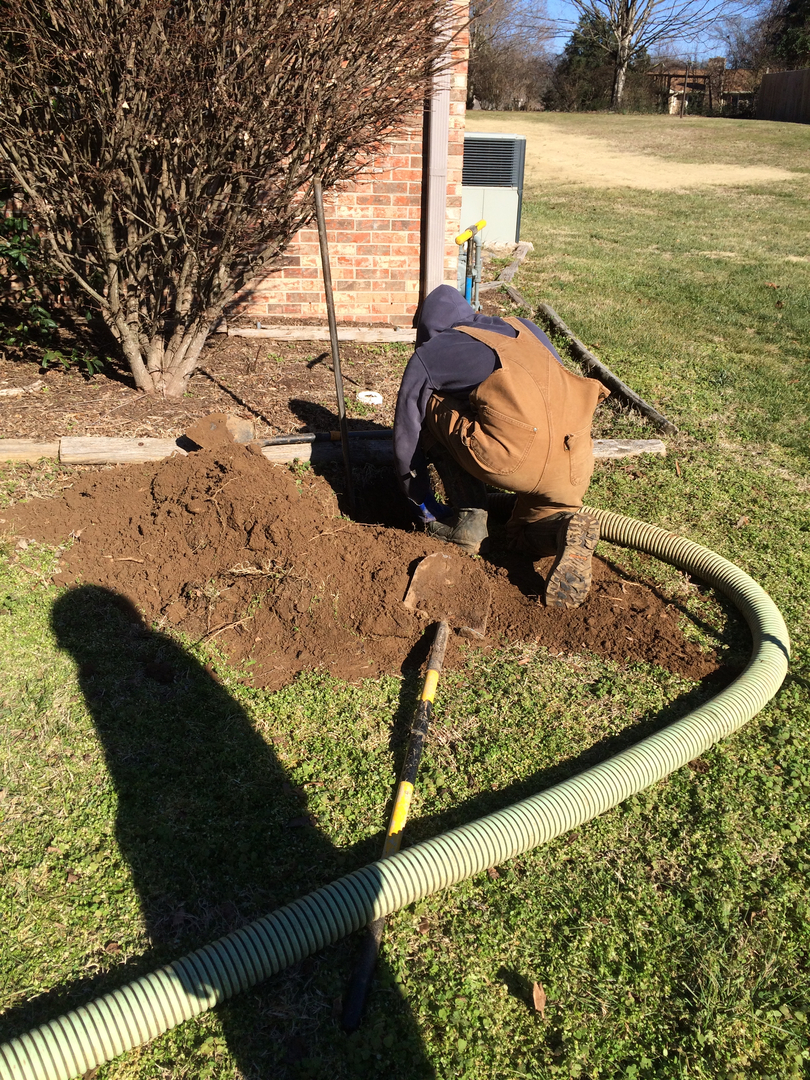
Septic Rentals in Cocke County
Call today for a free quote (423) 740-6901
Septic
Fast, Easy, & 100% Free To Get Started
Over 20 Years Experience
For over 20 years, MC Septic Services has been the reliable local choice in Cocke County. We prioritize quality and maintain deep community connections, ensuring satisfaction for every septic need.
Quality Service Guaranteed
At MC Septic, we consistently deliver exceptional service. Our keen attention to every detail ensures that our septic solutions uphold the highest standards of cleanliness and dependability.
Fast & Efficient Delivery
MC Septic prioritizes quick delivery for all your needs. Our efficient team ensures prompt service, helping you meet deadlines and maintain smooth operations without any hassle.
Reliable Septic Solutions in Cocke County
Call for a Free Quote Today
(423) 740-6901
MC Septic Services in Cocke County stands as your trusted provider for comprehensive septic solutions, delivering dependable service through our locally owned team with intimate knowledge of the area. We take pride in our reliability and professionalism, offering clean and efficient services for construction sites, parties, festivals, and weddings throughout Cocke County and nearby regions. Our deep understanding of local markets emphasizes our commitment to customer satisfaction, while our modern equipment guarantees top-tier service. Whether preparing for large-scale events or requiring regular maintenance, MC Septic offers unmatched expertise and dedication to every task. Our responsive team and extensive fleet seamlessly support any venue with comprehensive septic services. Contact us today to experience the trusted difference in sanitation solutions customized to your needs.
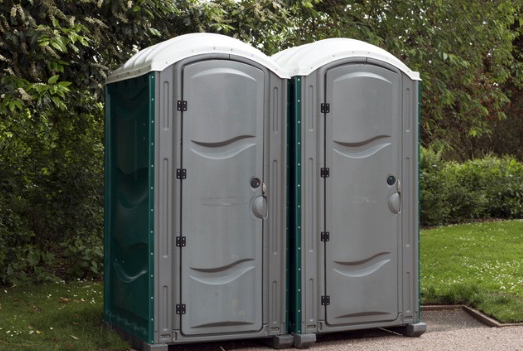
Durable, single-unit restroom with ventilation, an “In-Use” locking mechanism, and a hand sanitizer dispenser. A practical, sanitary solution for construction sites, events, and outdoor gatherings.
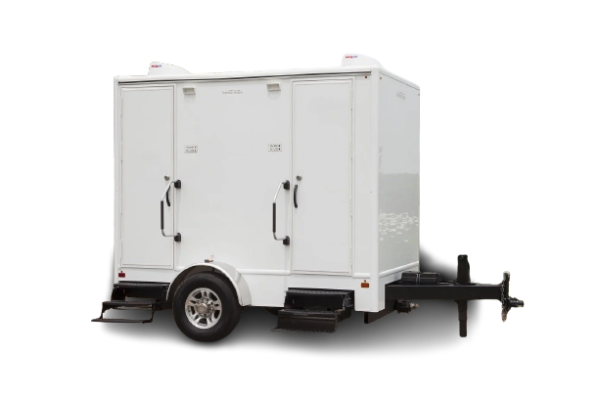
Multi-stall facility featuring flushing toilets, sinks with running water, interior lighting, and climate control. Perfect for weddings, festivals, and VIP events.
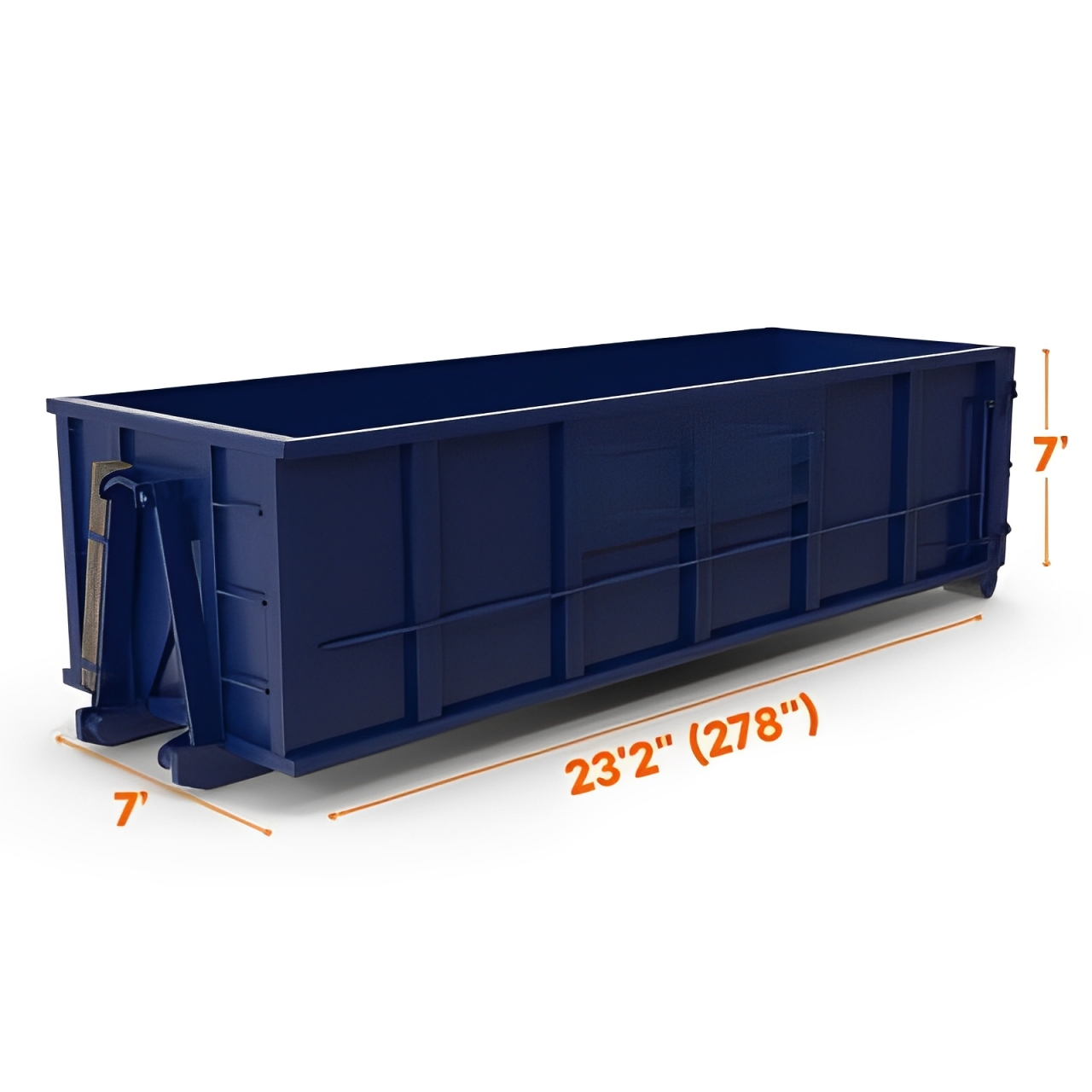
Large, open-top waste containers ideal for construction debris, home renovations, and cleanouts. We offer sizes ranging from 16-yard to 40-yard dumpsters to fit any project’s needs, ensuring easy, efficient disposal at your site.
We Proudly Serve
Standard Portable Toilets
Standard Portable Toilets by MC Septic provide convenient sanitation solutions for construction sites and events in Tennessee.
High Rise Portable Toilets
High Rise Portable Toilets offer efficient sanitation in elevated locations throughout Cocke County, Tennessee.
Restroom Trailers
Restroom Trailers by MC Septic ensure upscale amenities for formal events across Cocke County.
Roll off Dumpsters
Roll off Dumpsters by MC Septic offer easy waste management solutions throughout Cocke County.
Septic Tank Cleaning
Septic Tank Cleaning services at MC Septic ensure optimal system performance across Tennessee.
Grease Trap Cleaning
Grease Trap Cleaning in Cocke County, Tennessee, keeps commercial kitchens safe and compliant.
Fencing & Barricades
Fencing & Barricades by MC Septic provide secure perimeter solutions for events in Tennessee.
Residential Storage
Residential Storage solutions in Cocke County offer safe and convenient space management.
Cocke County Septic and More
With MC Septic, obtaining a quote and arranging for septic services is straightforward and hassle-free. Our intuitive website simplifies the process: browse our range of services, choose what you need, and request a detailed quote effortlessly. The 'Get A Quote' buttons are strategically placed throughout our site, making it easy to start the process from any page. Clicking these will direct you to fill out a concise form requiring your first name, last name, phone number, and email. Our team responds promptly to ensure you receive all necessary information, providing clear pricing and availability details. Once your needs are confirmed, our logistics team quickly coordinates a delivery schedule that fits perfectly with your event or construction timeline. Dedicated to providing reliable and efficient service, we proudly support Cocke County with professional solutions tailored to meet all sanitation needs. Whether managing a small gathering or a large public event, our services are delivered precisely to your location and timing preferences.
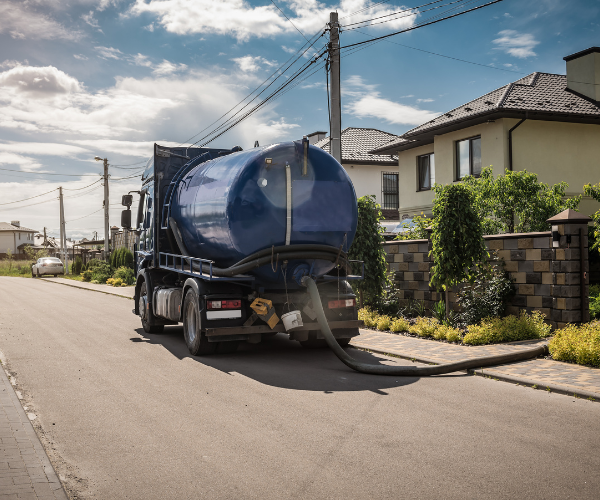
Cocke County, with its charming blend of natural beauty and community spirit, is the perfect locale for our exceptional septic services. Our local expertise ensures all our solutions resonate with the area's unique character, enhancing outdoor activities and community events with unparalleled hygiene and reliability. From the scenic Great Smoky Mountains to the excitement of the Newport Harvest Street Festival, our commitment to providing clean, environmentally-friendly septic solutions adds value to every gathering. Our dedication to being the top choice in Cocke County stems from our understanding of local needs and pride in delivering exceptional services tailored to this vibrant community. Whether supporting a family reunion in a quaint rural setting or ensuring cleanliness at large-scale events like the Hot Air Balloon Festival, MC Septic's offerings are designed to elevate the guest experience. By integrating seamlessly into the county's events and activities, we underscore the significance of dependable sanitation in maintaining Cocke County's friendly, welcoming atmosphere.
MC Septic stands as Cocke County's top choice, boasting over 20 years of dedicated service and deep community ties. Our expert team addresses the specific needs of local residents and businesses, delivering sanitation solutions that are both efficient and eco-friendly. By opting for our services, you secure top-quality care tailored to the unique character of Cocke County.Our comprehensive range of offerings—from standard septic tank cleaning to specialized event solutions—ensures all needs are met with precision and professionalism. Our customer-centric approach builds trust, guaranteeing clear communication, transparent pricing, and dependable support throughout the process. MC Septic's commitment goes beyond service—our mission is to build long-term relationships by consistently surpassing expectations.
At MC Septic, we take pride in delivering fast, reliable septic services throughout Cocke County. Our prompt response times and skilled technicians address all sewer and sanitation needs with meticulous care. This careful attention ensures your daily operations face minimal disruption, offering peace of mind for your planned events.Our commitment to reliability ensures close management of every service aspect, including timely logistics, aiming to surpass your expectations. Whether handling an unexpected issue or supporting a scheduled event, MC Septic provides swift and secure solutions, maintaining public health and cleanliness through our consistently responsive and dependable service.
Cocke County Septic Knowledge
To rent septic solutions in Cocke County, MC Septic provides an easy-to-navigate process accessible from our website. Potential renters can simply click on the 'Get A Quote' buttons, prominently displayed throughout each page, to initiate the process. These buttons direct you to a straightforward form requiring essential information like your first name, last name, phone number, and email. Providing these details allows us to tailor our communication and service offerings to your specific needs. Conveniently located at the top and bottom of each webpage, these forms ensure that help and quotes are just a click away, eliminating complex navigation. Once submitted, our dedicated team responds promptly, providing transparent pricing and versatile service options for your event or project. Tailored support ensures our services are delivered smoothly, adhering to your specific schedule requirements and location. By prioritizing your convenience, our streamlined process reflects MC Septic's commitment to outstanding customer service and reliability in Cocke County.
Typically, the delivery timeframe for septic orders depends on various factors including the type of service requested and your location within Cocke County. MC Septic prides itself on maintaining a prompt and reliable delivery schedule for all clients. We offer flexible scheduling that takes into consideration your unique event or construction needs, ensuring an on-time setup. While standard deliveries are often fulfilled within 24 to 48 hours, customized services may require additional planning for optimal resource allocation. Any specific client deadlines or time-sensitive projects are carefully accommodated with skilled logistical management. Our proactive communication ensures that you are constantly updated on delivery status and estimated arrival time; every effort is made to minimize disruptions. At MC Septic, where customer satisfaction is paramount, all efforts focus on exceeding expectations by delivering swift, professional service without compromising quality.
Yes, MC Septic is equipped to service a wide array of events and construction needs in Cocke County. We pride ourselves on our adaptability and comprehensive range of services designed to meet diverse sanitation requirements. From festivals and sporting events to weddings and corporate functions, we provide high-quality products that enhance the comfort and cleanliness of every occasion. Our luxury restroom trailers offer upscale amenities ideal for formal events, while our standard portable toilets and ADA units ensure practical sanitation solutions for various settings. We also offer essential site amenities such as porta-potties, holding tanks, roll-off dumpsters, fencing, barricades, portable sinks, and hand sanitizer stations. These tailoring options ensure seamless integration into any event or project, effectively supporting your sanitation goals with reliability and precision. At MC Septic, we recognize the importance of personalized service and flexibility in creating memorable experiences.