The eco-friendly advantages of using a septic system are numerous, benefiting both the environment and property owners. Unlike centralized sewage systems which rely heavily on outside infrastructure, septic systems function independently, using natural processes to treat wastewater on-site. This localized approach drastically reduces energy consumption and dependence on large-scale treatment facilities. Furthermore, septic systems utilize natural filtration, with effluent filtering through soil layers where bacteria naturally break down organic matter. This process not only replenishes groundwater supplies but also minimizes chemical pollution. Septic systems can also be customized for specific environmental conditions, ensuring efficient operation while minimizing ecological impact. Regular maintenance such as pumping ensures optimal function and prolongs the system's lifespan, benefiting the land around it as well. The nutrients found in treated wastewater help promote healthy plant growth, making septic systems a sustainable choice for environmentally-conscious property owners. Particular attention is also given to preventing groundwater contamination, which is achieved through carefully planned and installed system layouts that prevent leaks. In choosing a septic system, you are investing in a method of wastewater management that supports ecological conservation and efficiency.

Septic Rentals in Unicoi County, Tennessee
Call today for a free quote (423) 740-6901
Septic
Fast, Easy, & 100% Free To Get Started
Over 20 Years Experience
For over 20 years, MC Septic Services has been a cornerstone in the community, providing high-quality septic solutions in Unicoi County. As a locally owned business, we pride ourselves on deep community ties and unwavering commitment to customer satisfaction.
Committed to Quality Service
At MC Septic Services, we uphold quality as our unwavering standard. We are committed to delivering exceptional septic solutions that guarantee each client's satisfaction and peace of mind.
Swift and Reliable Delivery
MC Septic Services excels in offering fast, dependable delivery, ensuring you receive our septic solutions precisely when and where you need them. Our commitment to timely service makes us the preferred choice for all septic needs.
Reliable Septic Services in Unicoi County
Call for a Free Quote Today
(423) 740-6901
MC Septic Services, located in Unicoi County, Tennessee, stands as your reliable partner for all septic needs. Renowned for our dependability and local ownership, we extend our services beyond Unicoi County to nearby regions. Whether you're planning a wedding, coordinating a festival, or overseeing a construction site, our team provides exceptional septic solutions custom-fit to your needs. From portable toilets to advanced septic systems, we guarantee seamless event operations. Rely on us for clean, efficient services, ensuring a stress-free experience in every location.
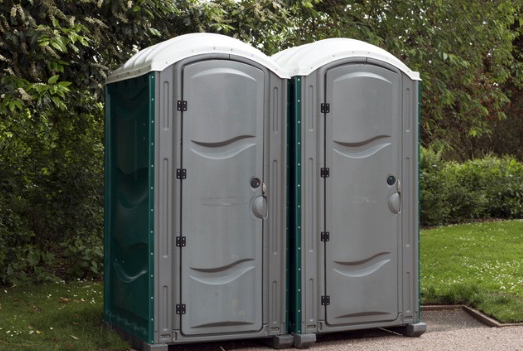
Durable, single-unit restroom with ventilation, an “In-Use” locking mechanism, and a hand sanitizer dispenser. A practical, sanitary solution for construction sites, events, and outdoor gatherings.
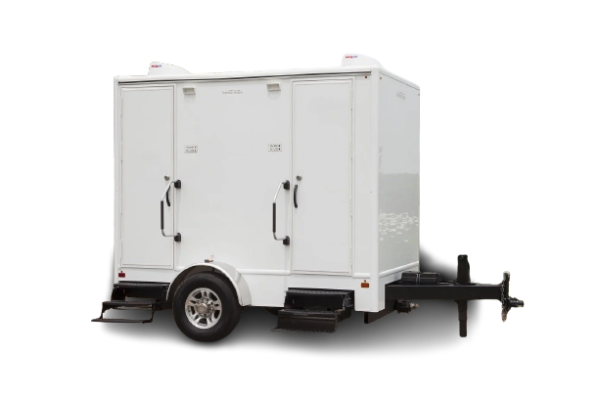
Multi-stall facility featuring flushing toilets, sinks with running water, interior lighting, and climate control. Perfect for weddings, festivals, and VIP events.
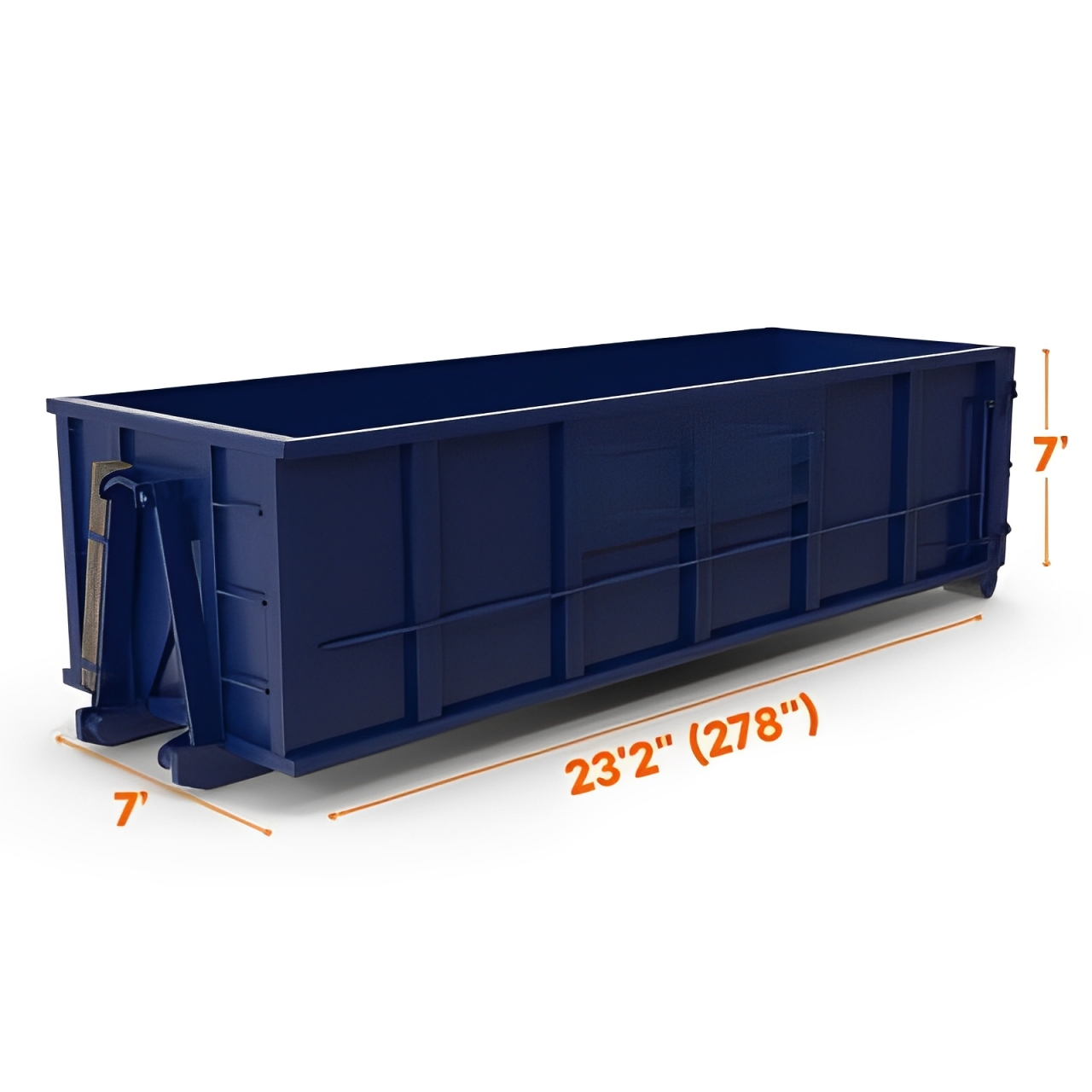
Large, open-top waste containers ideal for construction debris, home renovations, and cleanouts. We offer sizes ranging from 16-yard to 40-yard dumpsters to fit any project’s needs, ensuring easy, efficient disposal at your site.
We Proudly Serve
Standard Portable Toilets
Standard Portable Toilets offer convenient sanitation solutions for events and job sites across Tennessee.
High Rise Portable Toilets
High Rise Portable Toilets cater to elevated construction sites in Unicoi County, providing essential sanitation facilities.
Restroom Trailers
Restroom Trailers elevate events in Unicoi County with luxurious, full-featured amenities perfect for any occasion.
Roll off Dumpsters
Roll off Dumpsters in Unicoi County offer efficient and flexible waste management solutions for varied project needs.
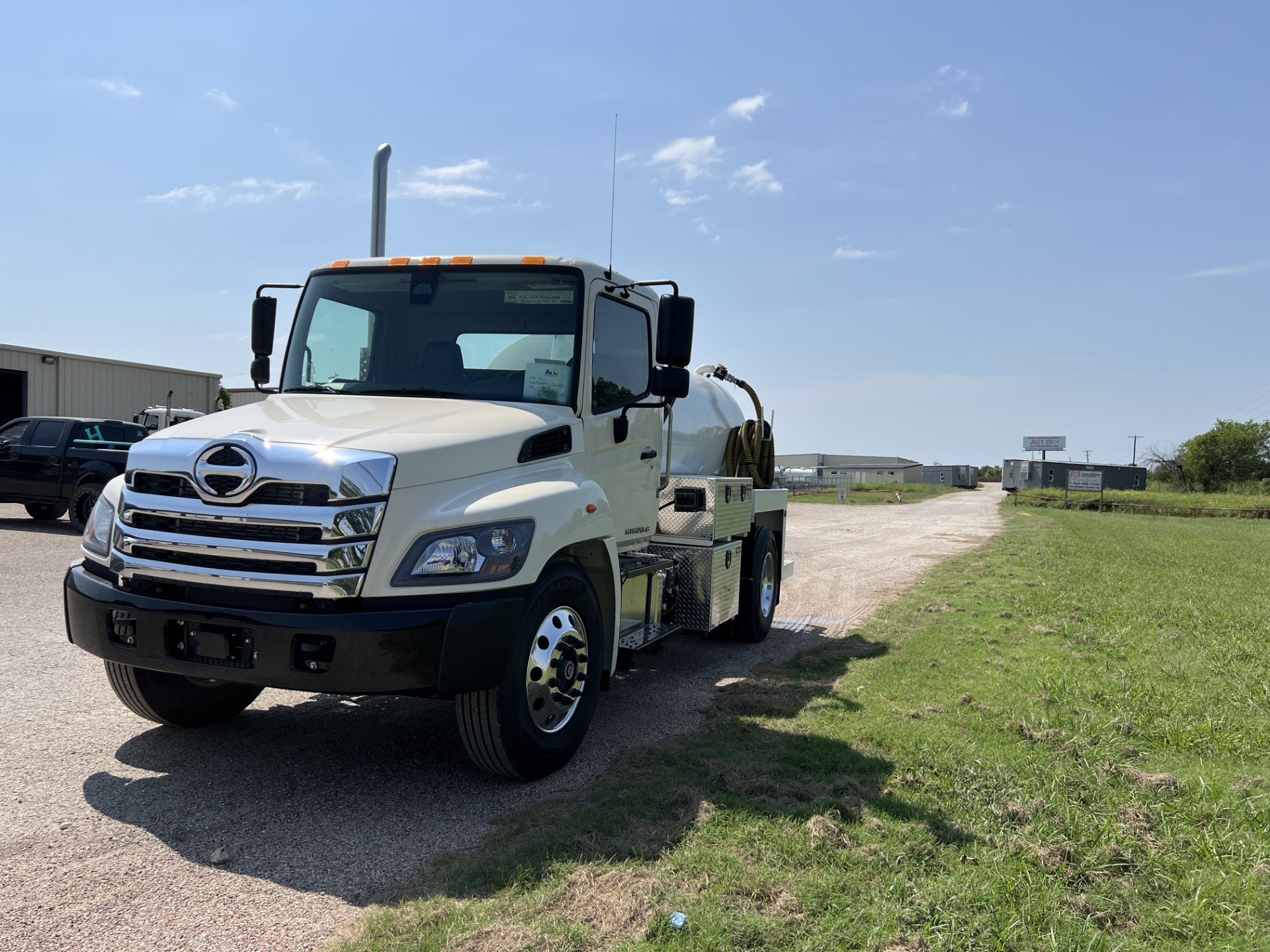
Septic Tank Cleaning
Septic Tank Cleaning maintains system efficiency and prevents blockages, offered by MC Septic in Tennessee.
Grease Trap Cleaning
Grease Trap Cleaning services in Unicoi County ensure proper disposal and prevention of system clogs.
Fencing & Barricades
Fencing & Barricades services in Tennessee offer versatile solutions for crowd control and property security.
Residential Storage
Residential Storage in Unicoi County provides secure and accessible storage options for household items.
Unicoi County Septic and More
Getting a quote for your septic needs in Unicoi County has never been simpler. At MC Septic, we focus on making your experience convenient from the first interaction. Our intuitive online platform lets you effortlessly request a quote and access all necessary forms, located at the top or bottom of any page. Just enter your first name, last name, phone number, and email to begin. Once you submit your information, our team quickly responds with a detailed price estimate tailored to your needs. Our transparent process ensures no hidden fees or unpleasant surprises. Additionally, Get A Quote buttons are strategically placed throughout the site, making it easy to secure your customized septic service package. With MC Septic, reliable and efficient service is just a click away, guaranteeing your peace of mind and satisfaction from start to finish.
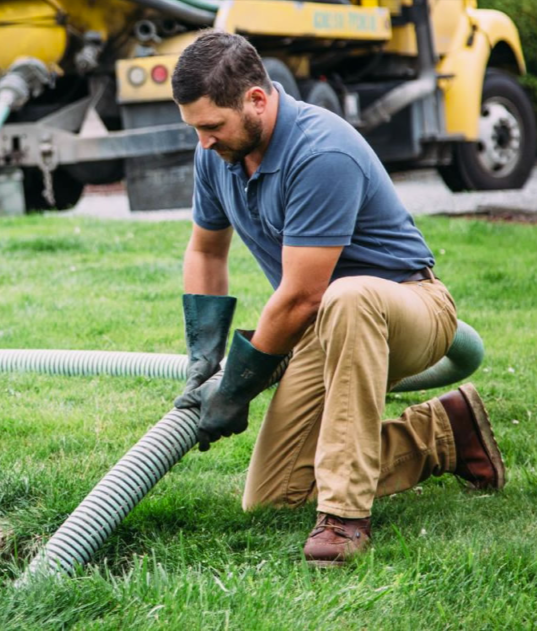
Experience the local charm of Unicoi County with MC Septic's unparalleled septic services. Nestled among scenic landscapes and vibrant community events like the annual Apple Festival, our services enhance every occasion in this beautiful region. From outdoor adventures at the majestic Rocky Fork State Park to intimate family gatherings, we provide clean, reliable solutions that perfectly complement Unicoi County's natural allure. MC Septic remains the top choice for those seeking dependable and convenient septic services. Our local roots mean we understand the community's unique needs, ensuring our offerings are both effective and environmentally friendly. Whether for large-scale festivals or small, personal events, our expertise guarantees a seamless integration into your plans. Benefit from our unwavering commitment to quality and customer satisfaction. With easy access to local attractions and a focus on the area's unique character, MC Septic delivers more than just services; we provide peace of mind and enhance every experience. Trust us to be your partner in excellence, whether for routine maintenance or special occasions.
Unicoi County trusts MC Septic, and for good reason. Our extensive experience and local expertise set us apart, ensuring every service is tailored to the unique characteristics of this community. Located strategically, we offer swift responses and personalized solutions that highlight why we are leaders in the septic industry.With a deep understanding of both residential and commercial needs in Unicoi County, we blend innovation and tradition to provide unmatched reliability and quality. Our team is passionate about enhancing the area's renowned hospitality and scenic charm with our top-tier septic services.Put your trust in our skilled professionals, and experience why MC Septic continues to be the best choice in Unicoi County. From comprehensive maintenance to emergency responses, we are always here, committed to delivering excellence on every visit. Let us show you why our loyal customers consider us the best in the business.
Experience fast, reliable septic solutions with MC Septic. Our streamlined processes ensure that your services are delivered efficiently and without delay, no matter the size or scope of your needs. With an emphasis on reliability, we consistently achieve timely outcomes, always leaving our clients satisfied.Our attentive team works around the clock to maintain our promise of rapid response times, ensuring your property benefits from our expertise whenever required. By leveraging advanced technology and skilled professionals, we guarantee that our assorted septic services remain seamless and efficient.From installation to maintenance, we deliver unmatched speed and reliability. Trust in MC Septic to fulfill every expectation with precision and professionalism, making us the leader in providing essential septic services in Unicoi County.
Unicoi County: Discover Our Septic
Renting a septic system in Unicoi County with MC Septic is a straightforward process designed with your convenience in mind. Begin by visiting our user-friendly website, where the 'Get A Quote' buttons are prominently displayed throughout the site. Click on any of these buttons to access our easy-to-complete form, strategically located at both the top and bottom of the page. Enter your first and last name, phone number, and email address into the form, which prompts a quick and efficient response from our team. Our process is designed to provide clarity and transparency, ensuring you receive a detailed and personalized quote for your specific requirements without any hidden charges or unexpected fees. We understand the importance of timely service, which is why our efficient quoting process is paired with our commitment to rapid response and availability. By choosing MC Septic, you're assured a seamless rental experience leveraging our years of expertise and dedication to superior customer service. Our skilled professionals guide you every step of the way, ensuring all your questions are answered promptly and comprehensively. Trust us to deliver the complete package: exceptional septic rental service supported by outstanding support and reliability.
The typical delivery timeframe for septic orders through MC Septic is designed to meet the highest standards of efficiency and reliability. Most of our deliveries are successfully completed within 24 to 48 hours from the time of order confirmation, ensuring that your needs are met with minimal waiting. Our well-coordinated logistics team is adept at handling all orders swiftly, prioritizing timely delivery to keep your projects on track. Special attention is given to urgent requests, where we provide expedited service to accommodate tight schedules. In situations that require very specific timing or conditions, we advise clients to communicate these needs during the order process so that our team can likewise adjust and offer the best possible experience. Prompt communication and coordination with our office are key to ensuring smooth scheduling, and our representatives are always available to assist in refining delivery details. Whether the service is for a large-scale event or residential maintenance, our goal is to provide dependable and exceptional service with every delivery. Through our streamlined processes and commitment to customer satisfaction, MC Septic continues to set the benchmark for excellence in septic order management.
Yes, we can service any type of event or construction service, ensuring that your needs, regardless of scope, are fully met. MC Septic covers a wide array of events like festivals and sporting events, offering tailored solutions for weddings, corporate events, and family reunions. Our range of offerings includes luxury restroom trailers, standard porta potties, roll-off dumpsters, and more. We also provide additional amenities such as fencing and barricades, ADA-compliant units, and portable sinks. Moreover, our hand sanitation stations are perfect for maintaining hygiene at any gathering. With MC Septic's versatile solutions, feel confident in hosting any event, knowing that sanitation needs are expertly handled. Our team of professionals is dedicated to providing top-notch service tailored to your specific requirements, ensuring an exceptional client experience with our wide-ranging products.