Using septic systems offers significant eco-friendly benefits, playing a vital role in sustainable waste management. A properly maintained septic system reduces harmful environmental impacts by treating and dispersing wastewater locally, thereby easing the burden on public sewage systems. This decentralized method conserves energy and resources typically consumed by large-scale municipal systems. Septic systems naturally filter and break down waste with beneficial bacteria, converting waste into smaller, biodegradable components over time. This process minimizes chemical use, thereby protecting local water supplies from contamination. Additionally, septic systems aid groundwater replenishment, transforming domestic wastewater into groundwater that filters through the soil, maintaining natural water cycles and supporting local ecosystems. By opting for septic over centralized waste systems, communities can promote environmental health and sustainability. Maintaining your septic system with regular inspections and cleaning ensures optimal performance, prolonging its lifespan and further benefiting the environment. Choose septic solutions to reduce your ecological footprint and foster a healthier planet.

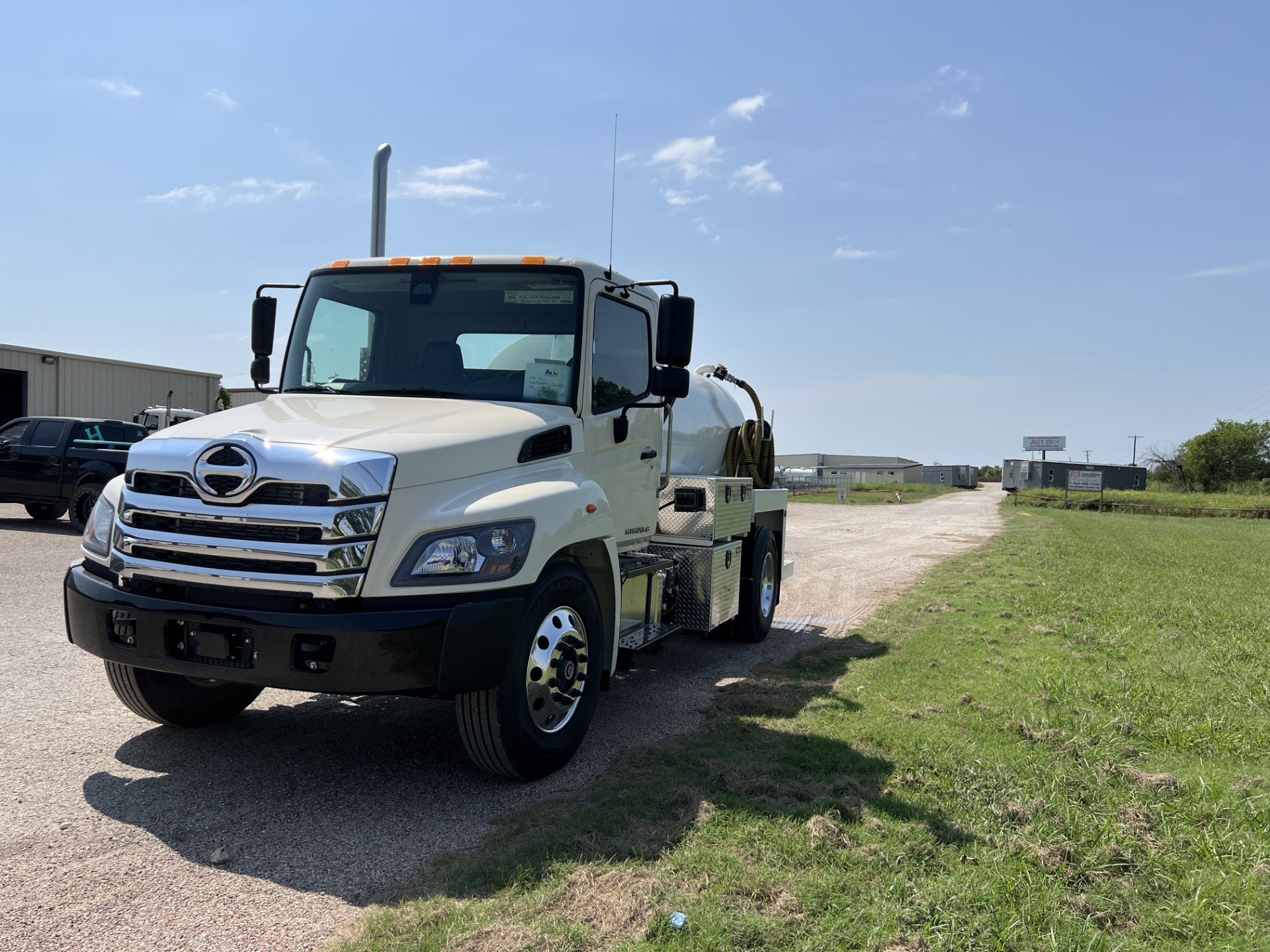
Septic Rentals in Scott County
Call today for a free quote (423) 740-6901
Septic
Fast, Easy, & 100% Free To Get Started
Over 20 Years of Experience
With over 20 years of experience serving Scott County, MC Septic Services combines deep local roots with a steadfast commitment to quality. Our reputation for reliable and superior service ensures customer satisfaction, making us the go-to choice for septic solutions.
Unmatched Quality Service
At MC Septic, we deliver unmatched quality service through meticulous attention to detail, ensuring each septic solution meets the highest standards of cleanliness and reliability. Our dedication to quality extends to every project, reaffirming our status as leaders in the industry.
Prompt and Efficient Delivery
MC Septic Services provides speedy delivery and effective setup for all your septic requirements, ensuring minimal disruption and optimal convenience. Our efficient processes guarantee prompt service, ensuring your facilities are ready exactly when you need them.
Reliable Septic Solutions in Scott County
Call for a Free Quote Today
(423) 740-6901
MC Septic Services is a trusted name in Scott County, Tennessee, offering reliable septic solutions to a variety of events and locations. Locally owned, our company commits to exceptional service and maintains a strong relationship with the communities we serve. Our services include septic support for construction sites, weddings, festivals, and parties in Scott County and nearby areas. We pride ourselves on being dependable, ensuring that your event runs smoothly with no sanitation worries. With a proven track record, our team is dedicated to maintaining cleanliness and functionality efficiently. Whether you're planning a large public event or an intimate family gathering, you can rely on us to provide top-quality service. Our commitment to reliability is why clients continue to choose us for their septic needs.
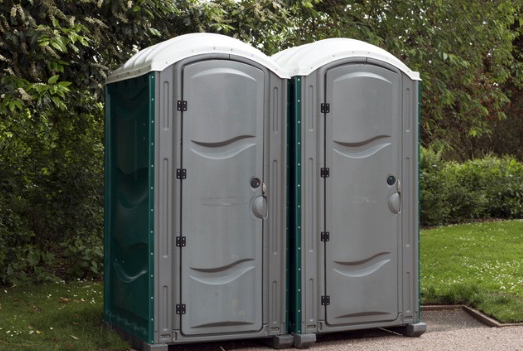
Durable, single-unit restroom with ventilation, an “In-Use” locking mechanism, and a hand sanitizer dispenser. A practical, sanitary solution for construction sites, events, and outdoor gatherings.
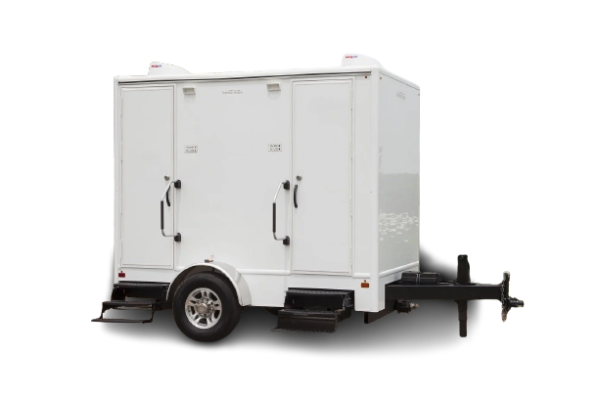
Multi-stall facility featuring flushing toilets, sinks with running water, interior lighting, and climate control. Perfect for weddings, festivals, and VIP events.
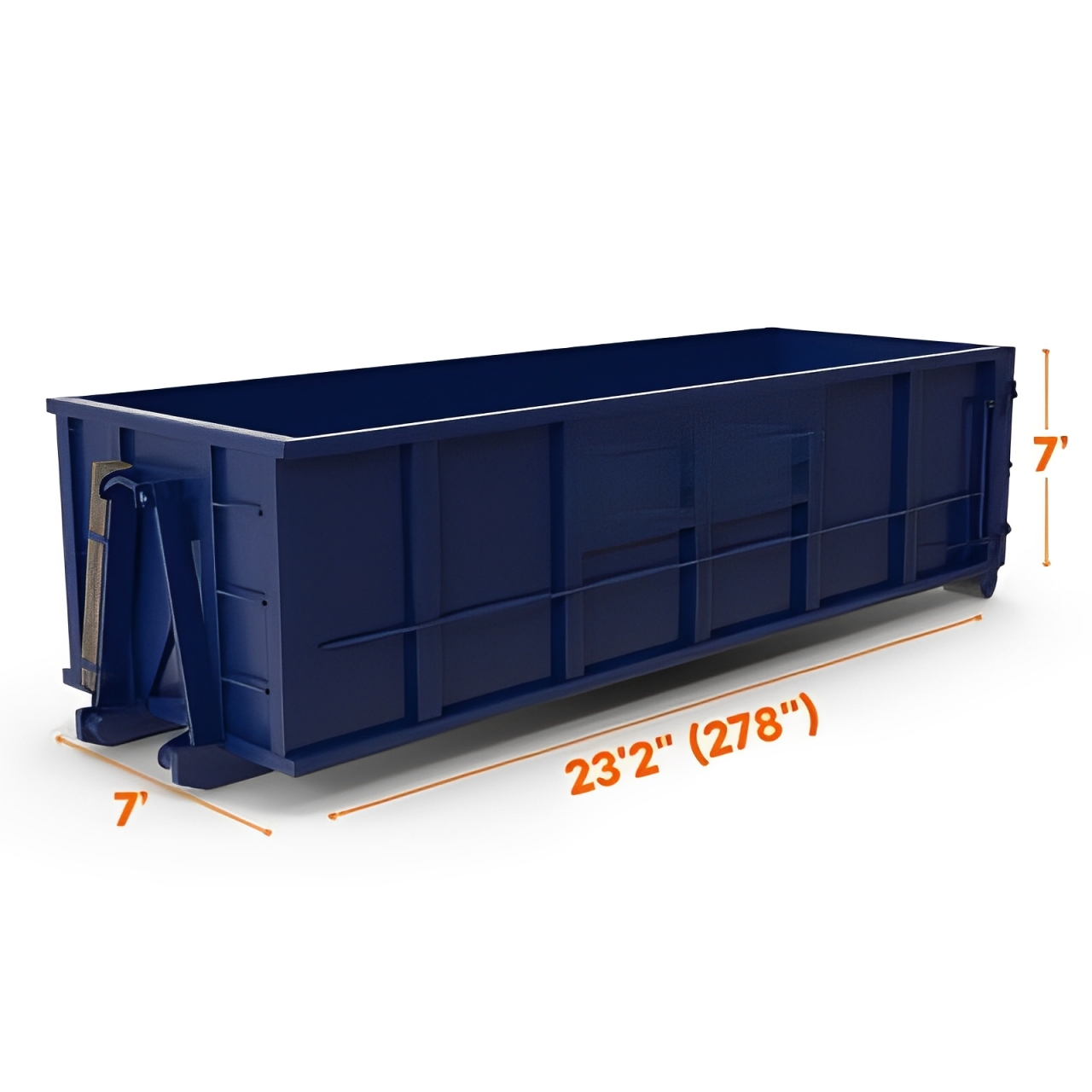
Large, open-top waste containers ideal for construction debris, home renovations, and cleanouts. We offer sizes ranging from 16-yard to 40-yard dumpsters to fit any project’s needs, ensuring easy, efficient disposal at your site.
We Proudly Serve
Standard Portable Toilets
Our Standard Portable Toilets in Tennessee offer clean, reliable solutions for any occasion, ensuring comfort and convenience.
High Rise Portable Toilets
Serving Scott County, our High Rise Portable Toilets provide excellent sanitation solutions for multi-story construction sites.
Restroom Trailers
MC Septic's Restroom Trailers in Scott County offer luxury accommodations for events, featuring amenities like running water and climate control.
Roll off Dumpsters
Our Roll off Dumpsters at MC Septic in Scott County deliver efficient waste management solutions for construction and large events.
Septic Tank Cleaning
MC Septic in Tennessee ensures thorough and professional septic tank cleaning services to maintain your system's efficiency.
Grease Trap Cleaning
In Scott County, MC Septic offers expert grease trap cleaning services, ensuring optimal performance and hygiene.
Fencing & Barricades
MC Septic's Fencing & Barricades service in Tennessee provides secure solutions for event or site management needs.
Residential Storage
Our Residential Storage in Scott County offers secure, versatile options for any homeowner's needs, ensuring peace of mind.
Scott County Septic Services
Getting a quote and arranging delivery for septic services has never been more straightforward. At MC Septic Services, our user-friendly website allows you to quickly request a personalized quote tailored to your needs. Simply fill out the online form with your name, contact information, and service details, and our experienced team will get back to you promptly with a competitive estimate. Our streamlined process ensures that your septic services can be scheduled effortlessly, whether you're organizing an event or managing a construction site. We pride ourselves on timely and convenient delivery, offering next-day setup in Scott County and surrounding areas. Our expert team coordinates everything from delivery to setup, ensuring the units are ready for use when you need them. With our commitment to efficiency, you can focus on your event while we handle all your sanitation needs. Trust MC Septic Services to provide reliable and convenient septic solutions, ensuring a hassle-free experience every time.
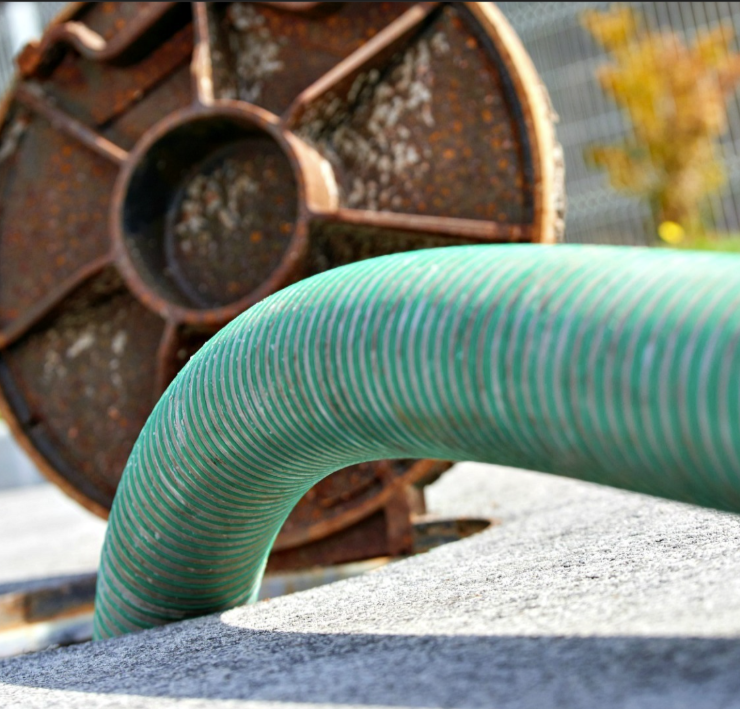
Septic services in Scott County offer a unique blend of reliability and local charm, ideal for any occasion. Nestled amidst Scott County's captivating outdoor settings, such as the Big South Fork National River and Recreation Area, and vibrant community gatherings like the annual Heritage Festival, our services truly excel. Whether you're organizing a festival near the Big South Fork or planning a scenic wedding, our septic solutions enhance the experience for attendees. Our team's familiarity with the local terrain ensures seamless integration into community events and private gatherings. We provide clean, reliable, and efficient service, ensuring guest comfort and satisfaction. Choosing MC Septic means supporting a company deeply embedded in Scott County's spirit. Experience the ease and assurance of our specialized septic services, expertly tailored for any event's needs, large or small.
MC Septic Services is the leading provider of septic solutions in Scott County, prioritizing customer satisfaction and community engagement.We pride ourselves on delivering top-notch service, ensuring our clean and reliable septic solutions elevate every occasion. From expansive music festivals to intimate family reunions, we customize our services to fulfill each client's specific requirements.As a locally owned and operated business, we offer personalized attention, fully grasping the distinct qualities of Scott County. Our team commits to providing exceptional service, building trust and securing repeat business from pleased customers.When you choose MC Septic, you choose a partner invested in your event’s success, guaranteeing outstanding results with every project.
At MC Septic Services, we excel in delivering fast and reliable septic solutions, ensuring customer satisfaction at every step.Our skilled team and streamlined processes enable us to provide quick service, addressing the urgent needs of clients in Scott County and nearby areas. Whether you’re hosting a spontaneous event or require immediate assistance for a construction project, our dependability is unmatched.We prioritize your schedule and convenience by offering next-day delivery and setup, allowing you to focus on your activities without concern. Our unwavering commitment to reliability and swift response makes us the trusted choice for septic services in the local community.Trust MC Septic Services to meet your needs promptly and efficiently, delivering superior solutions that enhance your project's success.
Learn More About Our Septic in Scott County
Renting a septic system in Scott County through MC Septic Services is straightforward and convenient, ensuring seamless access to sanitation solutions for any event or project.You can start the rental process by filling out the forms located at the top and bottom of our webpage, as well as utilizing the 'Get A Quote' buttons positioned strategically throughout the site for easy access. These forms require basic information, including your first name, last name, phone number, and email, which we utilize to offer a personalized service experience.Once you submit your information, you will receive a prompt response from our experienced team, helping you select the best options for your specific needs and providing a competitive, transparent quote for service.Our commitment to customer satisfaction ensures that you receive high-quality septic services without hassle, enabling you to focus on your event or project with peace of mind. Trust MC Septic Services to deliver reliable and efficient sanitation solutions, tailored specifically for the Scott County community.
When you place an order for septic services with MC Septic, we ensure efficient and prompt delivery to meet your needs. Our team understands the critical nature of timely service, particularly for events and projects on tight timelines. Typically, we provide next-day delivery for orders placed during our regular business hours. We aim to accommodate special requests and urgent requirements whenever feasible, guaranteeing top-notch service. Through seamless coordination, we deliver and set up septic services with minimal disruption to your event or site schedule. This commitment to fast, reliable service makes us a preferred choice in Scott County for all septic needs.
At MC Septic, we expertly manage services for any event or construction project. We accommodate a wide range of occasions—from vibrant festivals and exciting sporting events to elegant weddings. Our offerings extend to corporate gatherings, family reunions, and special occasions, ensuring comprehensive support. We provide luxury restroom trailers and porta potties, meeting diverse needs seamlessly. Our extensive selection also features roll-off dumpsters, fencing with barricades, holding tanks, ADA-compliant units, portable sinks, and hand sanitizer stations. These resources create safe, hygienic environments for events of all sizes, affirming our reliability and versatility.