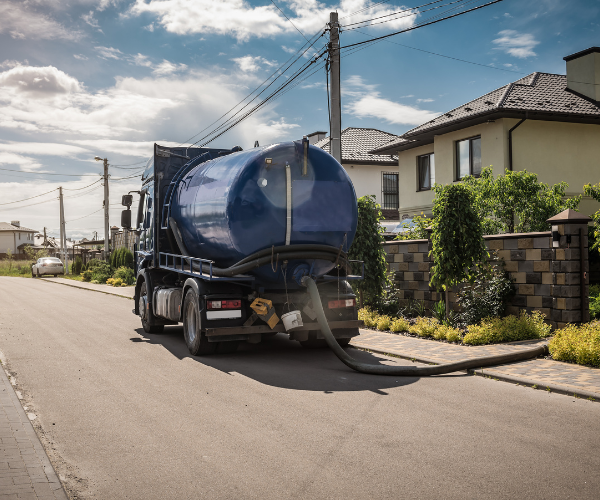
Septic systems are recognized for their eco-friendly advantages, making them a popular choice for environmentally conscious property owners. One of the primary benefits lies in their natural waste processing method, where the tank naturally separates solid waste from liquid, utilizing bacteria to safely break down the waste. This process reduces environmental pollution and conserves water by recycling it back underground through a drain field. Additionally, septic systems minimize the use of chemical-laden sewage treatments typically used in centralized wastewater facilities. By leveraging natural methods, septic systems not only protect the environment but also maintain the balance of local ecosystems. They are designed to function autonomously, which means a decrease in energy and resources required to pump and treat wastewater. Septic systems also contribute to groundwater recharge, a crucial factor in maintaining healthy aquifers. Since treated water is released back into the soil, it plays a critical role in replenishing underground water supplies. This self-sustaining model supports sustainable water management practices, especially in rural and semi-urban areas where resources may be limited. Properly maintained septic systems help in reducing the overall carbon footprint of a property. By using sustainable techniques, homeowners can contribute significantly to environmental conservation, reducing reliance on conventional sewage treatment options that often endanger aquatic life and contribute to water pollution. Through regular maintenance, including septic tank pumping and inspections, these systems provide a clean, effective, and environmentally friendly solution for waste management. They underscore a commitment to eco-conscious living, safeguarding natural resources for future generations.
Septic Rentals in Rutledge, Tennessee
Call today for a free quote (423) 740-6901
Septic
Fast, Easy, & 100% Free To Get Started
Over 20 Years of Experience
Our septic company, with more than 20 years of industry experience, has forged strong community ties in Rutledge, Tennessee. We maintain high-quality standards and prioritize customer satisfaction with every service we deliver.
Superior Quality Service
At MC Septic, we deliver superior service with precision and care, valuing each client deeply. Our committed team approaches every interaction with professionalism, providing dependable sanitation solutions that precisely meet your requirements.
Fast and Reliable Delivery
Time is crucial, and with our swift delivery services, you'll receive the solutions you need promptly. We take pride in providing efficient, dependable service that our clients rely on.
Reliable Septic Solutions in Rutledge
Call for a Free Quote Today
(423) 740-6901
Rooted in the heart of Rutledge, Tennessee, our septic services stand as a pillar of dependability and local expertise. As a locally owned company, we take pride in offering reliable and professional sanitation solutions, catering to both residential and commercial needs. Our commitment to quality ensures seamless service for events such as construction sites, parties, festivals, and weddings. With a focus on surrounding areas, we deliver unparalleled convenience and peace of mind to all our clients. Whether you're planning a large gathering or require services for a construction site, we provide tailored solutions that meet your specific requirements. Our dedicated team goes above and beyond to ensure every experience with us is memorable for all the right reasons.
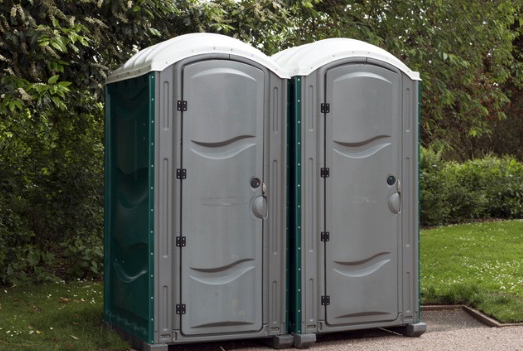
Durable, single-unit restroom with ventilation, an “In-Use” locking mechanism, and a hand sanitizer dispenser. A practical, sanitary solution for construction sites, events, and outdoor gatherings.
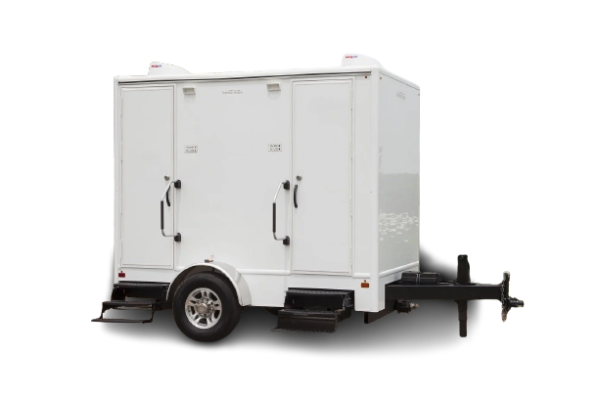
Multi-stall facility featuring flushing toilets, sinks with running water, interior lighting, and climate control. Perfect for weddings, festivals, and VIP events.
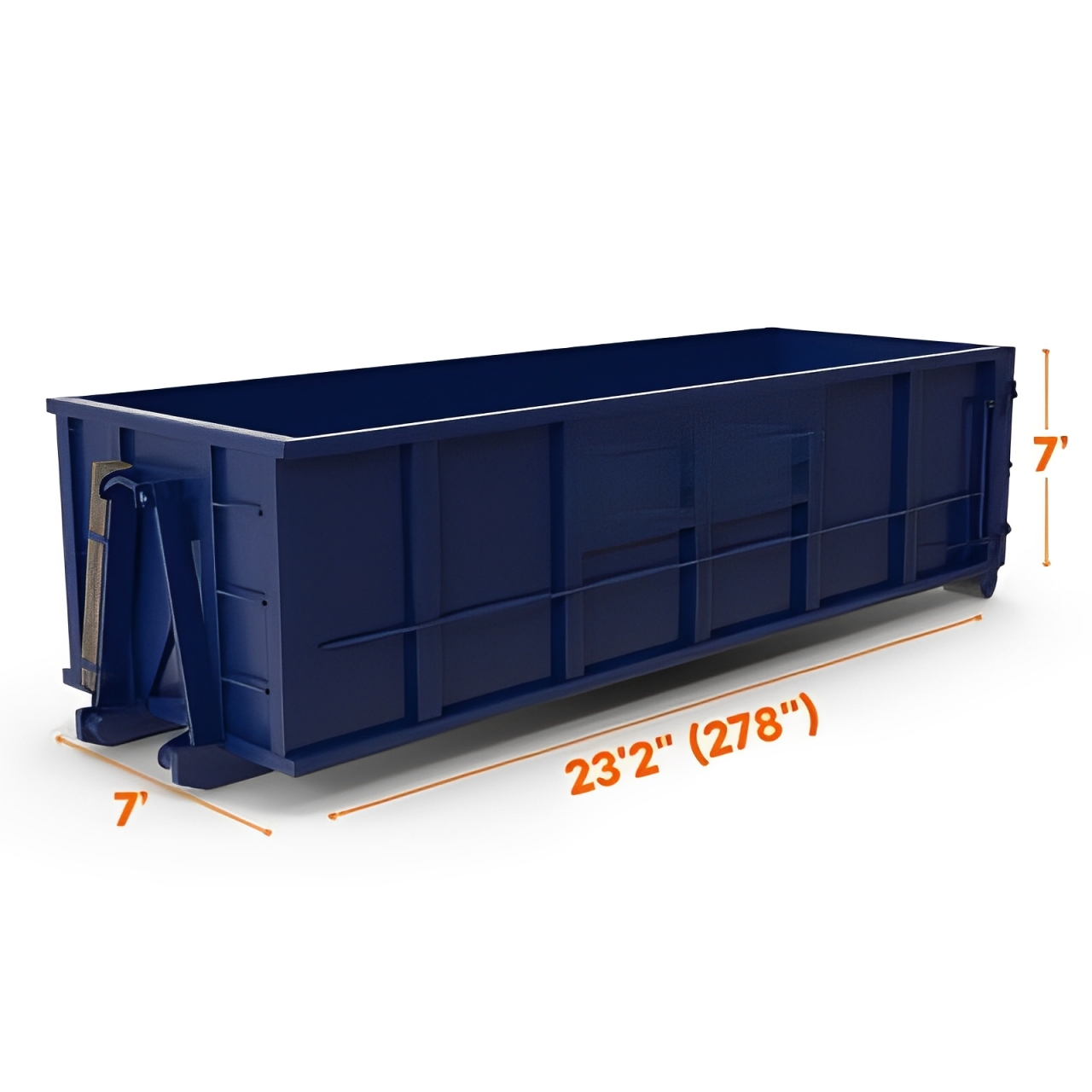
Large, open-top waste containers ideal for construction debris, home renovations, and cleanouts. We offer sizes ranging from 16-yard to 40-yard dumpsters to fit any project’s needs, ensuring easy, efficient disposal at your site.
We Proudly Serve
Standard Portable Toilets
Standard Portable Toilets provide convenient, hygienic restroom solutions for events and construction sites across Tennessee.
High Rise Portable Toilets
High Rise Portable Toilets offer easy-to-install sanitation facilities for elevated construction environments in Rutledge, Tennessee.
Restroom Trailers
Restroom Trailers provide upscale, fully equipped mobile restrooms, perfect for any formal event in Rutledge.
Roll off Dumpsters
Roll off Dumpsters offer convenient waste disposal solutions for construction and renovation projects throughout Rutledge.
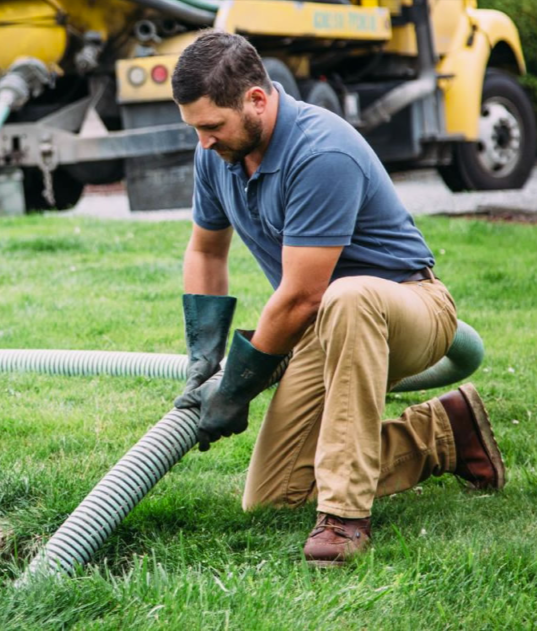
Septic Tank Cleaning
Septic Tank Cleaning ensures efficient, thorough removal of waste from tanks, promoting optimal performance in Tennessee.
Grease Trap Cleaning
Grease Trap Cleaning delivers effective maintenance solutions for commercial kitchens, safeguarding operations in Rutledge, Tennessee.
Fencing & Barricades
Fencing & Barricades provide secure, adaptable barrier solutions for events and construction sites across Tennessee.
Residential Storage
Residential Storage solutions offer secure, reliable spaces for storing belongings within Rutledge and beyond.
Rutledge Septic and Sanitation Services
In Rutledge, the convenience of getting a quote and scheduling delivery for septic services highlights the commitment we provide through each step of the process. Our simple quote system allows you to receive instant estimates tailored to your specific needs, ensuring transparency and satisfaction. By filling out a quick form online, which asks for your basic contact information, you can receive a personalized quote in minutes. This enables our clients to plan and make informed decisions efficiently. Moreover, the delivery of our septic services is streamlined and reliable, designed to fit seamlessly into your schedule. Our experienced team coordinates with you to ensure timely and precise delivery, taking into account special requirements or constraints you might have. This strategic approach ensures that our clients in Rutledge and surrounding areas can focus on their events or projects with confidence in our services.
Rutledge is renowned for its picturesque landscapes and vibrant community events, such as the annual Grainger County Tomato Festival, making it the perfect location for outstanding septic services. Nestled in this charming region, our company offers comprehensive sanitation solutions designed to complement the area's unique characteristics. Whether you're hosting an outdoor celebration near Cherokee Lake or managing a construction project, our services provide the clean, reliable, and convenient support needed to enhance every occasion. Our services are not only about offering top-notch septic solutions but also about contributing to the local charm and efficiency expected by Rutledge residents. By emphasizing local appeal, we align our practices with the community's values, providing a familiar and trusted choice for all sanitation needs. Our swift delivery and setup ensure that residents and businesses alike can enjoy the scenic beauty of Rutledge without interruption or concern. Choosing us means opting for a service that prioritizes environmental responsibility and customer satisfaction. Our dedication to quality and community involvement has established us as the preferred choice for septic services in Rutledge, focusing on creating positive experiences for every client.
Rutledge is a community that values trust, reliability, and quality service, all of which are reflected in our company's mission. As a locally owned business, we understand the needs and expectations of our Rutledge clients, allowing us to deliver services that perfectly align with these values.Our commitment to providing top-tier septic services is unwavering, supported by years of experience and a deep understanding of the local landscape. Each service we offer is crafted to enrich the community we serve, making us the first-choice provider for residents and businesses alike. By maintaining strong community ties and a customer-first approach, we ensure each client feels valued and supported.We stand out through our dedication to quality and innovation, continuously seeking ways to improve and adapt to the needs of Rutledge. With a focus on delivering excellence, we promise reliable and efficient services that our clients can rely on, time and again.
Prompt and dependable service is at the core of MC Septic's approach. In Rutledge, our reputation rests on fast response times and reliable septic solutions that deliver both convenience and efficiency to our clients. We combine extensive experience with the latest technology to ensure swift turnaround on every service.Efficient logistics are crucial for minimizing delays and boosting customer satisfaction. By working closely with our clients, we tailor each service to align with their schedules, ensuring seamless integration with their plans. Our meticulous attention to detail and customer-focused approach guarantee that every aspect of our septic services is managed with professionalism and care.Reliability is key in the sanitation industry, and our commitment to maintaining high standards has made us a trusted name in Rutledge. Our clients consistently choose us for our dedication to excellence and our fast, reliable service, which never compromises on quality.
Learn More About Our Septic in Rutledge
Renting a septic system in Rutledge is a straightforward process, designed to cater to both first-time and experienced users. To initiate, visit our website where you'll find forms conveniently located at the top and bottom of the page. These forms are crafted for ease of use, requiring only your essential information: first name, last name, phone number, and email. Once submitted, our team will promptly evaluate your request and reach out with a customized proposal tailored to your requirements. Moreover, throughout the website, you will notice Get A Quote buttons strategically placed for quick access. These buttons provide a hassle-free way to start your rental process, offering instantaneous communication with our service representatives. This seamless approach ensures that anyone looking to rent septic systems in Rutledge can do so with minimal effort and maximum convenience. Our dedicated customer service team is always on standby to address any questions you might have, ensuring clarity and transparency throughout your rental journey. Additionally, post-rental support remains available, cementing our commitment to maintaining excellent customer relations. We provide flexible rental terms to accommodate various project duration needs, be it short-term or more extended endeavors. The comprehensive support and professional guidance offered by our team ensure that you make informed decisions that align perfectly with your specific usage needs. Renting from us guarantees high-quality sanitation solutions, reflecting our dedication to excellence and customer satisfaction. Combined with our competitive pricing and the attentive care provided by our team, the process of renting a septic system becomes a breeze, suited to meet and exceed client expectations.
At MC Septic, we take pride in our efficient delivery process, designed to accommodate the diverse needs of our clients with prompt and punctual service. The typical delivery timeframe for septic orders usually depends on a few key factors, including the client's specific location and the type of septic service being requested. We strive to maintain a rapid fulfillment pace, ensuring that most orders within Rutledge can be delivered within 24 to 48 hours of confirmation. This quick turnaround time is a testament to our commitment to providing reliable and swift service to our valued clients. For large-scale events or extensive construction sites, we recommend advanced booking. Such planning allows our team to thoroughly assess site needs and prepare the necessary equipment well ahead of time, aligning with our goal of delivering seamless and timely service. Our strategic logistic team ensures that each order is vigilantly tracked from start to finish, providing real-time updates to our clients on the expected delivery window. In cases of last-minute orders or unexpected changes, our team is ready to adapt swiftly, minimizing any potential disruptions. Clients' satisfaction remains our top priority, highlighted by our ability to deliver within promised timeframes. Collaborating closely with our delivery partners also allows us to extend our operational efficiencies across wider areas, ensuring accessibility to our services even in more remote locations. Our transparent delivery policies and commitment to excellence patent our approach to building enduring client relationships and trust. For more staged deliveries, especially in areas experiencing seasonal demands, we engage in proactive planning sessions with our clients. Such collaboration ensures that each septic service requirement is met timely while accommodating unforeseen scheduling shifts.
Yes, MC Septic is fully equipped to service any type of event or construction need, regardless of size or complexity. We pride ourselves on being adaptable, extending our services to a range of events such as festivals, sporting functions, weddings, corporate events, and family reunions, ensuring comprehensive solutions for all unique requirements. Our extensive array of options includes luxury restroom trailers, standard porta-potties, roll-off dumpsters, fencing, barricades, holding tanks, ADA units, and portable sinks and hand sanitizer stations. Each offering is tailored to fit the precise demands of the occasion, granting clients flexibility and choice over their sanitation needs. Designed for convenience, our services seamlessly integrate into the event environment, ensuring that sanitation is one less thing for organizers to worry about. Our expert team coordinates every logistical detail, from delivery schedules to equipment setup, providing our clients with a stress-free experience. For construction services, our durable and weather-resistant facilities are engineered to withstand the rigors of active job sites, equipped with features like non-slip floors and efficient ventilation systems. Our punctual delivery and maintenance services ensure consistent readiness, critical to maintaining project timelines and productivity. By choosing MC Septic, clients benefit from industry-leading expertise, quality service, and adaptable sanitation solutions that promote a clean, comfortable experience for all attendees or workers involved.