Septic systems offer several eco-friendly advantages that make them an appealing choice for those conscious of their environmental footprint. Firstly, septic systems naturally treat wastewater onsite, reducing the need for transporting waste long distances to a municipal treatment plant. This not only cuts down on greenhouse gas emissions associated with transporting waste but also localizes waste treatment, which can be more energy-efficient. Furthermore, septic systems work without the need for significant chemical interventions typically required by centralized sewer systems. They rely on natural biological processes to break down waste, which can be gentler on the environment and safer for local ecosystems. Due to the contained nature of septic systems, they also pose a lower risk of contaminating local water bodies if properly maintained, thus preserving surrounding flora and fauna. Another eco-friendly aspect of septic systems is their ability to promote the reuse of treated water for irrigation, particularly in areas where water conservation is crucial. This recycling process not only makes more efficient use of water resources but also enhances soil quality, as the treated water can support plant growth. Additionally, since septic tanks are typically buried underground, they take up less space than above-ground systems, which helps preserve the natural landscape. As there is no need for large-scale infrastructure, septic systems can lead to less environmental disruption during installation and maintenance. Their adaptability to various terrain types further ensures that they can be used in a wide range of geographic locations without environmental degradation. Moreover, regular maintenance of septic systems further enhances their environmental benefits. By ensuring they operate efficiently, property owners can minimize the risk of untreated sewage seeping into the ground, thus maintaining the integrity of local groundwater supplies. Environmental education regarding the sustainable use and routine upkeep of septic systems can further amplify their ecological benefits, making them a long-term ally in the pursuit of sustainability. In summary, the eco-friendly benefits of septic systems lie in their decentralized nature, reliance on biological treatment processes, space efficiency, and potential for water reuse. With attentive maintenance and responsible usage, septic systems can significantly contribute to a sustainable future.

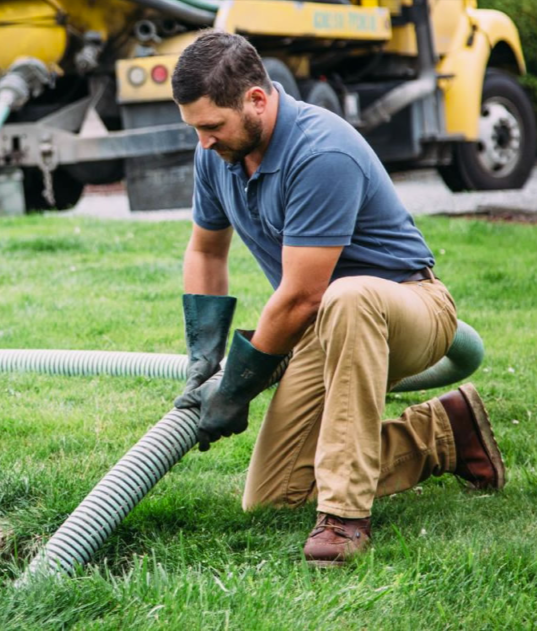
Septic Rentals in New Tazewell, Tennessee
Call today for a free quote (423) 740-6901
Septic
Fast, Easy, & 100% Free To Get Started
20+ Years Of Expertise
MC Septic of New Tazewell proudly marks over 20 years of dedicated service, rooted in the heart of the community. By consistently delivering top-tier sanitation solutions, we secure customer satisfaction and maintain our standing as a reliable, locally owned enterprise.
Exceptional Service Guaranteed
At MC Septic, we deliver exceptional quality service that surpasses industry standards. Our experienced team provides each septic solution with meticulous care and precise attention to detail.
Swift and Reliable Delivery
Opt for MC Septic to receive swift execution of your sanitation solutions, guaranteeing efficient and reliable service. Our dedication to promptness helps maintain the schedule of your projects and events.
Reliable Septic Services in New Tazewell
Call for a Free Quote Today
(423) 740-6901
Welcome to the premier septic company in New Tazewell, where reliability, dependability, and local ownership form the pillars of our exceptional service. Proudly serving surrounding areas, we specialize in providing high-quality septic solutions for various events, including construction sites, parties, festivals, and weddings. Our team's dedication to trustworthiness and efficiency ensures a seamless experience every time, making us the preferred choice for residents and businesses alike. Rooted in the community, we strive to enhance your events with our superior septic services, tailored to meet your specific needs. Choose us for peace of mind and a commitment to consistently excellent service.
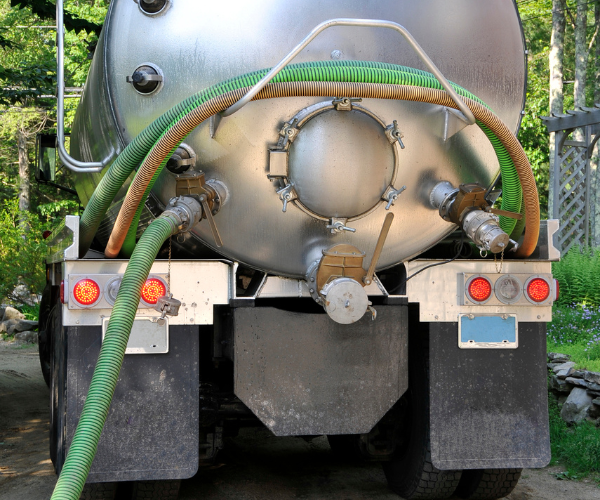
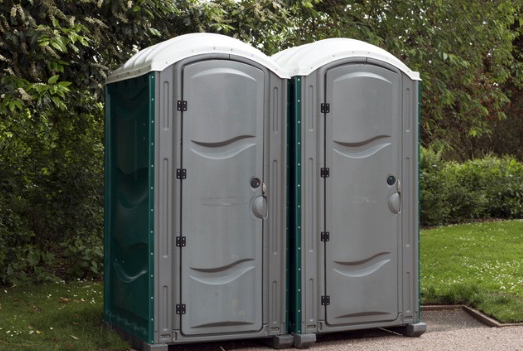
Durable, single-unit restroom with ventilation, an “In-Use” locking mechanism, and a hand sanitizer dispenser. A practical, sanitary solution for construction sites, events, and outdoor gatherings.
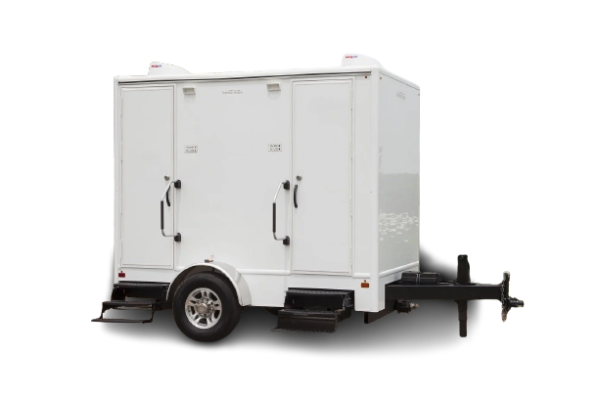
Multi-stall facility featuring flushing toilets, sinks with running water, interior lighting, and climate control. Perfect for weddings, festivals, and VIP events.
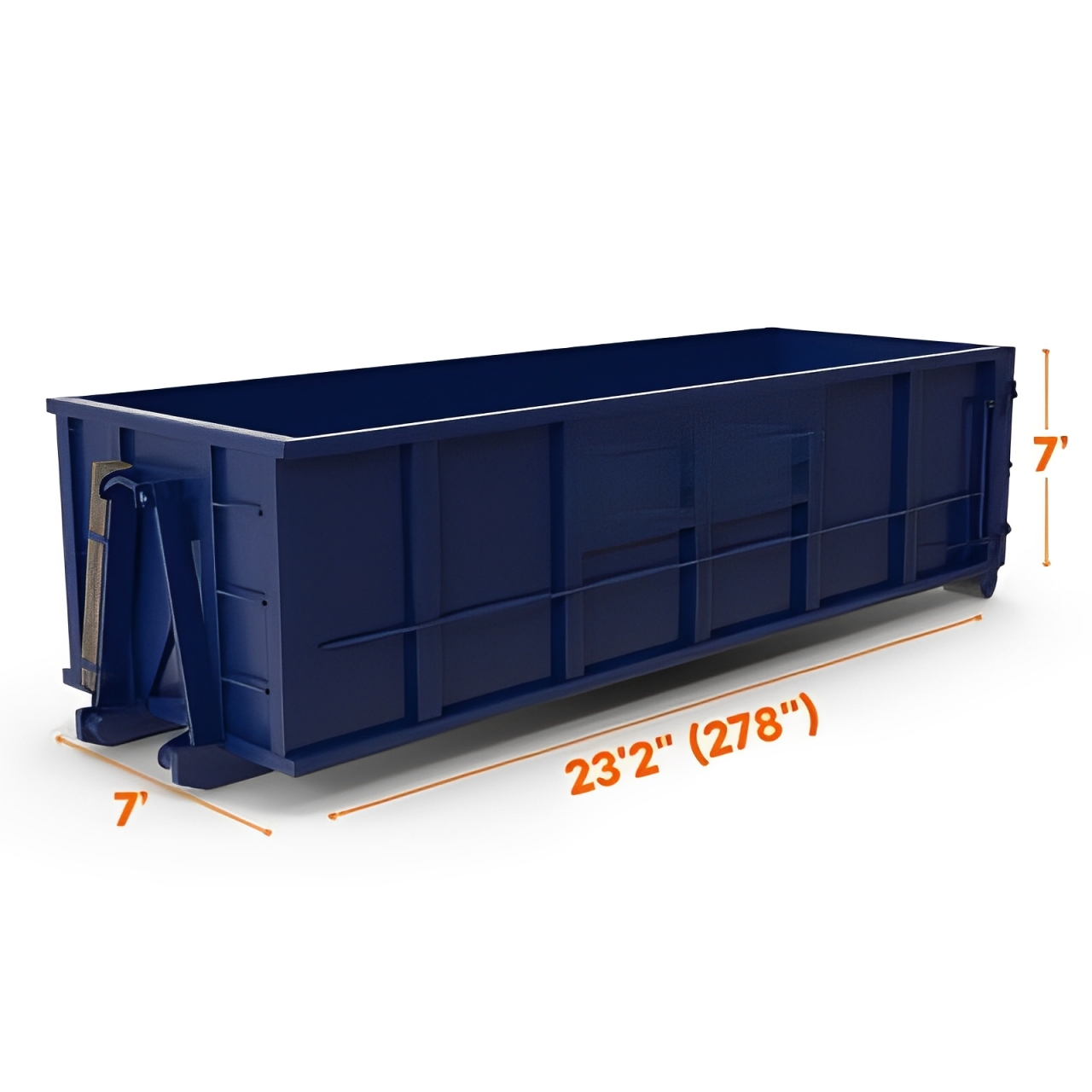
Large, open-top waste containers ideal for construction debris, home renovations, and cleanouts. We offer sizes ranging from 16-yard to 40-yard dumpsters to fit any project’s needs, ensuring easy, efficient disposal at your site.
We Proudly Serve
Standard Portable Toilets
Affordable and clean standard portable toilets tailored to meet diverse needs at MC Septic in Tennessee.
High Rise Portable Toilets
Efficient and compact high-rise portable toilets perfect for New Tazewell's tall building sites.
Restroom Trailers
Luxurious restroom trailers equipped with modern amenities for premium events at MC Septic in New Tazewell.
Roll off Dumpsters
Versatile roll-off dumpsters designed for easy waste management solutions in New Tazewell with MC Septic.
Septic Tank Cleaning
Professional septic tank cleaning services ensuring optimal system performance, available at MC Septic in Tennessee.
Grease Trap Cleaning
Fast and thorough grease trap cleaning for restaurants and food service businesses in New Tazewell, Tennessee.
Fencing & Barricades
Secure and durable fencing & barricades available through MC Septic across Tennessee.
Residential Storage
Convenient and versatile residential storage solutions offered by MC Septic in New Tazewell, Tennessee.
New Tazewell Septic and More
Securing a quote and arranging delivery for our septic services in New Tazewell is both straightforward and efficient, catering to modern-day convenience for all clients. We recognize the importance of time and efficiency, hence our streamlined process ensures a hassle-free experience from start to finish. By simply clicking the 'Get A Quote' buttons strategically placed on our website, you can swiftly access our contact forms. These forms, requiring only minimal details such as your first name, last name, phone number, and email, simplify the initial steps, allowing clients to focus on their event or project. Upon submission, our dedicated team swiftly evaluates your request, providing a comprehensive quote that transparently outlines the pricing, ensuring there are no hidden costs or unexpected fees. Our experts are available to discuss your specific needs, guiding you smoothly through the options available, including portable restrooms for events, construction restrooms, restroom trailer rentals designed for upscale occasions, and septic tank pumping services. The convenience extends to our scheduling process; once an agreement is reached, our team coordinates a delivery timetable that aligns seamlessly with your requirements, whether for an upcoming festival, wedding, or construction site. Our services are designed for prompt deployment, with next-day delivery capabilities that set us apart from competitors. Clients can rest assured knowing that our professional crew will ensure timely setup and removal, allowing their focus to remain on other critical aspects of their event planning. Trust in MC Septic's exemplary service means choosing reliability, with each transaction conducted with thoroughness and professionalism. Our solutions are specifically designed to enhance the overall experience, providing guests and workers with dependable, pristine, and accessible sanitary facilities. It is our mission to elevate the standards of convenience and simplicity, placing client satisfaction at the forefront of all our operational efforts. With our emphasis on localized custom solutions, our septic services continue to revolutionize the approach to temporary sanitation in New Tazewell.
Embrace the local charm of New Tazewell with our superior septic services, seamlessly integrating into the vibrant attractions like Norris Lake and the festivities of the annual Spring Fest, for which the area is renowned. Our company understands the unique appeal of this locale, surrounded by natural beauty and enriched by cultural gatherings, making us the perfect partner for any event enhancement. By choosing our services, you're opting for a blend of reliability and local expertise, tailored to ensure your guests have a seamless experience. Whether it's a family gathering, a wedding set against the stunning backdrop of Norris Lake's picturesque views, or the bustling excitement of Spring Fest, our septic solutions are crafted to meet the demands of any occasion. Our commitment to the community extends beyond just service provision. We're dedicated to the values of cleanliness, convenience, and customer care, ensuring each client experiences the full benefits of our top-notch offerings. Whether it's providing discreet, aesthetically pleasing units for upscale events or rugged facilities for big outdoor concerts, we prioritize excellence in every contract we fulfill. With a focus on sustainable practices, our units are not only efficient but also environmentally conscious, aligning with the ethos of preserving New Tazewell's natural beauty. By leveraging local resources and adapting to the area's unique needs, we stand as a hallmark of reliable service in the septic industry, always ready to enhance the ambiance of your occasion.
Our unmatched expertise in septic services makes us the top choice in New Tazewell. We combine local knowledge with a strong commitment to quality, ensuring each project is handled with precision and care. Catering to both personal residences and corporate clients, our services are designed to meet the varied needs of the community, solidifying our status as industry leaders. With over two decades of dedicated service, our experience distinguishes us, along with our firm dedication to customer satisfaction. We grasp the local landscape, both environmentally and socially, allowing us to offer services that seamlessly integrate into the community fabric. Whether it's event-based sanitation or construction site necessities, our versatility and comprehensive approach promise an enhanced experience. Our diverse range of offerings includes portable restrooms, restroom trailers, roll-off dumpsters, and septic tank pumping, ensuring we cover all sanitation aspects. Clients return repeatedly, drawn by the reliability and efficiency that accompany every service. Trust us to elevate your event or project with solutions that emphasize hygiene and convenience.
At MC Septic, we specialize in providing quick, reliable septic services that meet the urgent needs of New Tazewell's residents and businesses. Our expert team is always ready to deploy the necessary facilities to any event or construction site, ensuring seamless integration with your timelines and requirements. Efficiency is key to our operations, and we're proud to offer rapid response services that guarantee minimal wait times and swift resolution of any sanitation issues that may arise. With quick setup and takedown procedures, our team minimizes disruption to your event or project. By choosing our services, you ensure uninterrupted progress and comfort at any occasion, backed by the assurance of professionally handled, well-maintained facilities. Whether urgent, last-minute needs arise or regular services are planned, MC Septic remains steadfast in delivering excellence at speed. We understand the importance of reliability, which is why our systems are thoroughly checked and ready for immediate deployment, enhancing the overall experience you can provide for your guests or workforce.
New Tazewell Septic Insights
Renting septic services in New Tazewell has been streamlined to provide a simple and efficient process tailored to meet your needs with minimal hassle. To start, visit our website where you'll find easy access to get in touch through strategically placed 'Get A Quote' buttons. These buttons, located throughout our pages, guide you to our inquiry form. The form is straightforward and user-friendly, requiring only essential information such as your first name, last name, phone number, and email address. Providing these details allows us to quickly understand your requirements and offer a timely and accurate quotation. Once submitted, our professional team will promptly review your submission and provide a comprehensive quote tailored to your specific needs. Rest assured, all details are kept secure and treated with the utmost confidentiality. Our commitment to customer satisfaction ensures that this process is not only fast but also transparent, with no hidden fees or surprises. Our team is always available to answer any questions you may have and help customize your services to perfectly fit your occasion. Upon confirming your booking, our team will coordinate delivery logistics with you, ensuring a smooth setup and seamless integration of our services into your event or project timeline. Your peace of mind is our priority, and our skilled staff will manage all aspects of the service, allowing you to focus on other important tasks. Experience the difference with our top-tier services, designed to enhance any event while providing reliable, eco-friendly solutions that align with your budget and expectations. Rent with confidence, knowing that our expert team is just a call away, ready to assist and ensure your needs are met satisfactorily.
Understanding the typical delivery timeframe for septic services is crucial in planning any event or construction project efficiently. Generally, MC Septic emphasizes quick and reliable service to meet the urgency of your needs. Once your order is placed and confirmed, the goal is to ensure delivery at the earliest convenience, usually aligning with a next-day delivery timeline. Our streamlined processes and experienced logistics team work diligently to get your order out promptly. Depending on the specific requirements and the volume of requests, delivery can be adjusted to reflect your event's particular needs. For best practices, ordering well in advance of your event date is encouraged to guarantee availability and allow thorough time management on our part. This also means we can negotiate optimal delivery slots that suit your schedule and event needs perfectly. In emergency situations or for last-minute requests, our team is equipped to respond quickly, deploying units as efficiently as possible without compromising on quality or safety standards. Our commitment to excellence ensures your peace of mind, knowing your request to get a quote and delivery is in capable hands. Another key aspect of our delivery service is flexibility. We understand that sometimes changes to schedule are unavoidable, so we work closely with our clients to accommodate any alterations as seamlessly as possible. Our customer support team is just a phone call away to assist with any immediate questions or adjustments needed. Rest assured that from quote to delivery, our services are designed to operate smoothly, coming through consistently strong in rapidly responding to deployment challenges. Whatever the timeframe may be, MC Septic is committed to offering clients a reliable solution that stands the test of time.
Yes, we can indeed service all types of event or construction needs. From bustling festivals and energetic sporting events to elegant weddings and high-profile corporate gatherings, we have the expertise and facilities to support them all. Our diverse range of offerings includes luxury restroom trailers, porta-potties, roll-off dumpsters, and more. For construction sites, we provide tough and reliable solutions like holding tanks, ADA units, portable sinks, and hand sanitizer stations to ensure that workers have the necessary sanitation facilities available at all times. Whether your occasion is a small family reunion or a large-scale community event, our extensive inventory of portable sanitation solutions ensures we can accommodate any venue size and specific requirements. MC Septic prides itself on offering customization options that cater to the unique nature of each event. Our commitment to quality and reliability means each unit is maintained in pristine condition, ensuring a clean and safe environment for your guests or workers. Our professional team handles every aspect of the logistics, from initial booking and delivery to setup and removal, offering a seamless and stress-free experience. Tailoring solutions to fit your exact needs, we continually assess our services and extend them to ensure your complete satisfaction with every order. The flexibility to adjust to your specific timeline and venue conditions is core to our service, making us a preferred choice for clients across various sectors. Experience our superior service, designed to enhance the success of any event or construction project you manage, by choosing MC Septic for your next assignment.