Septic systems provide several eco-friendly advantages that make them a preferred choice for many homeowners and businesses. One of the most significant benefits is that septic systems treat wastewater right on the premises, reducing the need to transport the waste to distant processing facilities. This localized treatment helps lessen the carbon footprint associated with conventional sewage treatment plants, which often require extensive infrastructure and energy consumption. Additionally, septic systems naturally filter and treat water through the soil, which can help recharge local groundwater supplies—beneficial for areas that rely heavily on well water. By reducing pollution discharge into rivers and oceans, septic systems help protect water bodies and preserve marine and aquatic life. The anaerobic digestion process within septic tanks minimizes the production of harmful greenhouse gases. Furthermore, due to their decentralized nature, septic systems allow rural and semi-urban areas to develop without the need for extensive sewer networks, preserving natural landscapes and habitats. Regular maintenance of septic systems can also lead to longer system lifespan and reduced environmental impact, promoting sustainable living practices.
Septic Rentals in Mosheim, Tennessee
Call today for a free quote (423) 740-6901
Septic
Fast, Easy, & 100% Free To Get Started
Over 20 Years of Experience
MC Septic has proudly served Mosheim with over 20 years of experience. Our deep-rooted community ties and commitment to quality assurance make us a trusted local choice for your sanitation needs.
Top Quality Services
At MC Septic, we are dedicated to delivering unparalleled quality in every service we provide, ensuring our clients receive the best sanitation solutions in Mosheim.
Prompt Delivery Service
Count on MC Septic for quick and reliable delivery services. Our team works efficiently to meet your needs, making us the top choice for prompt septic solutions.
Reliable Septic Services in Mosheim
Call for a Free Quote Today
(423) 740-6901
Welcome to MC Septic, your trusted partner for all septic needs in Mosheim, Tennessee, and surrounding areas. As a locally owned and operated business, we pride ourselves on being dependable and reliable. Our expert team is committed to delivering exceptional sanitation services for a variety of events, including construction sites, weddings, and festivals. With a focus on top-quality service, we ensure that our customers receive only the best in portable restrooms and septic tank pumping solutions. Let us handle your sanitation needs with our professional and courteous approach, guaranteeing satisfaction at every turn.
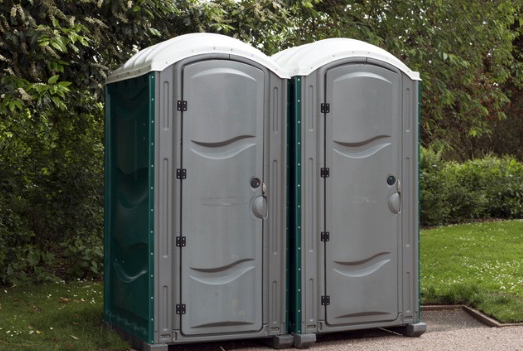
Durable, single-unit restroom with ventilation, an “In-Use” locking mechanism, and a hand sanitizer dispenser. A practical, sanitary solution for construction sites, events, and outdoor gatherings.
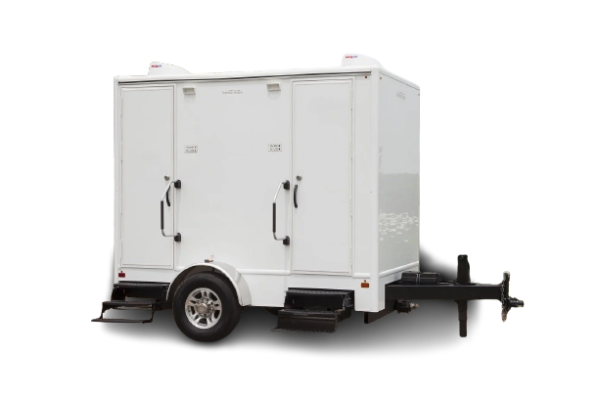
Multi-stall facility featuring flushing toilets, sinks with running water, interior lighting, and climate control. Perfect for weddings, festivals, and VIP events.
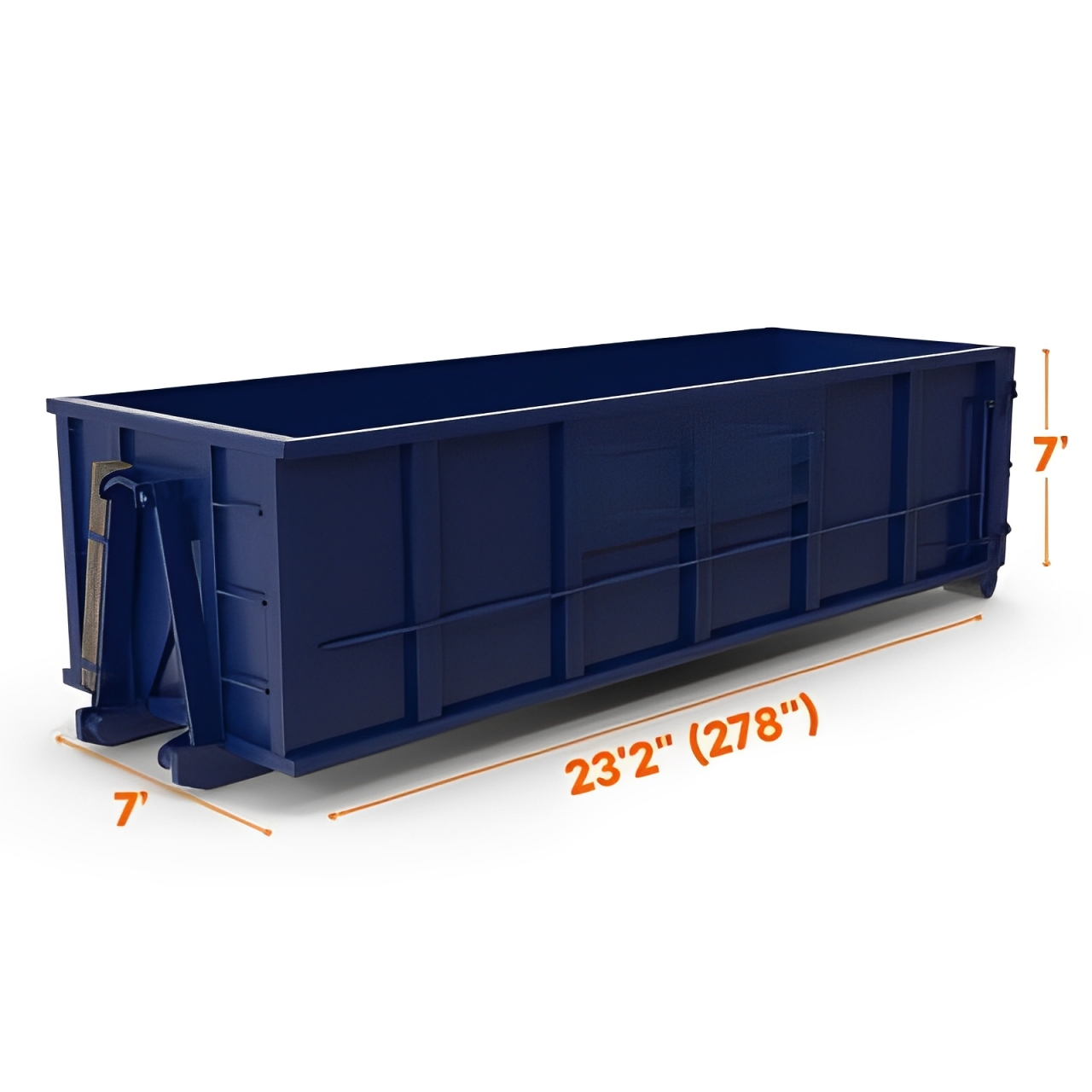
Large, open-top waste containers ideal for construction debris, home renovations, and cleanouts. We offer sizes ranging from 16-yard to 40-yard dumpsters to fit any project’s needs, ensuring easy, efficient disposal at your site.
We Proudly Serve
Standard Portable Toilets
Efficient and clean standard portable toilets for any event in Tennessee, enhancing guest comfort.
High Rise Portable Toilets
Convenient high rise portable toilets tailored for construction sites in Mosheim, ensuring easy access.
Restroom Trailers
Upscale restroom trailers available in Mosheim, offering premium amenities for your special occasions.
Roll off Dumpsters
Versatile roll-off dumpsters at MC Septic, perfect for waste management in Mosheim.
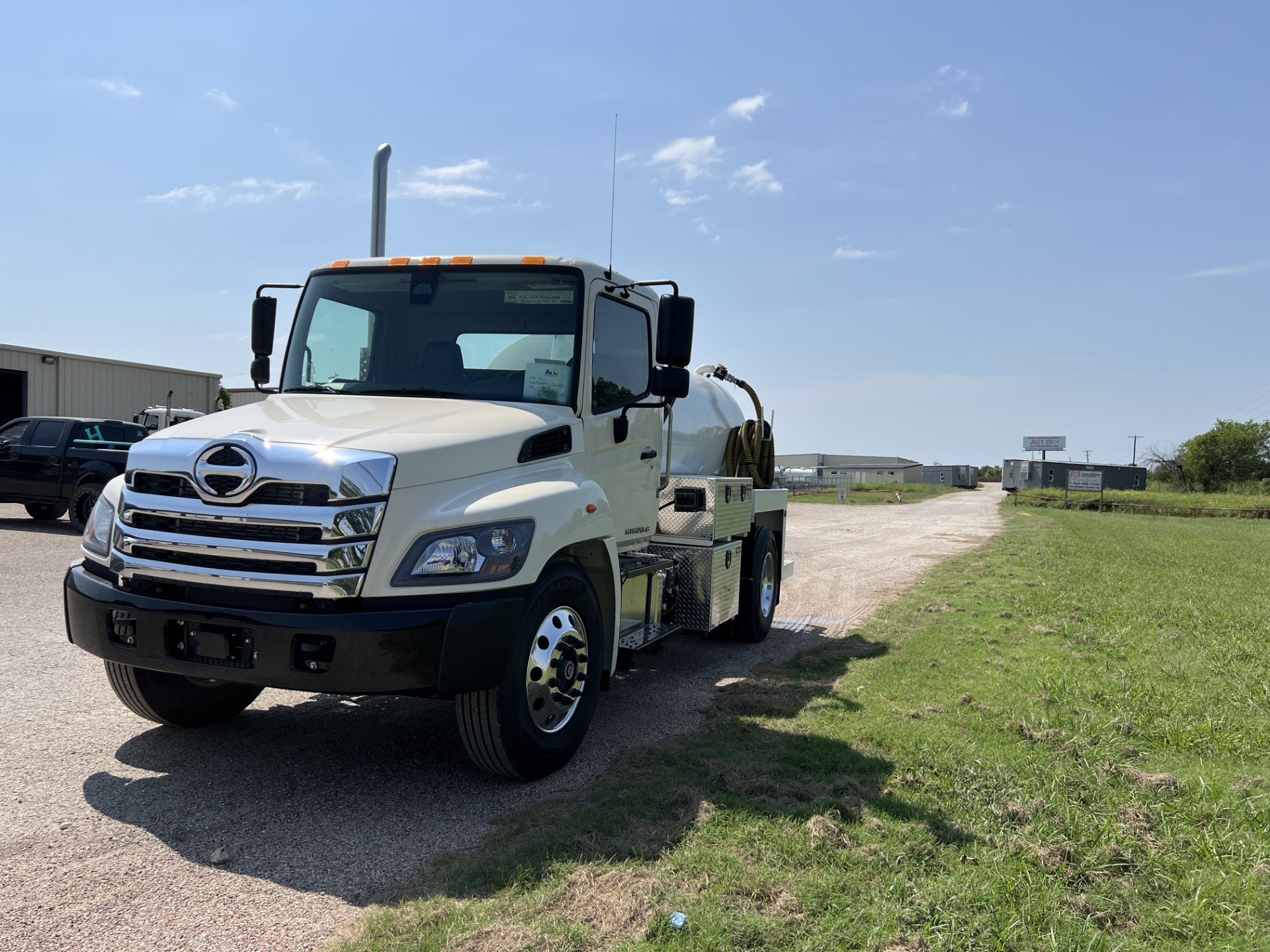
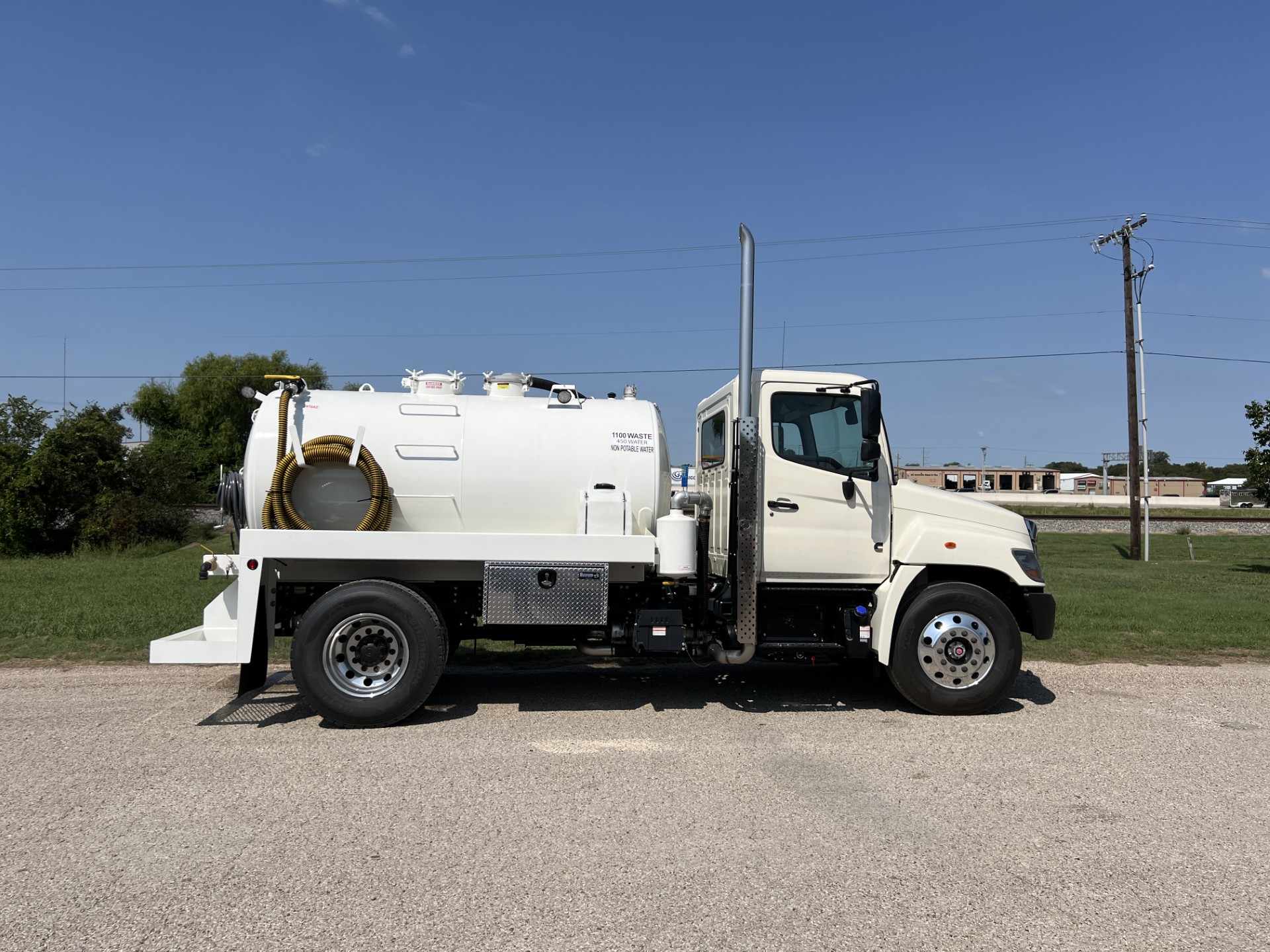
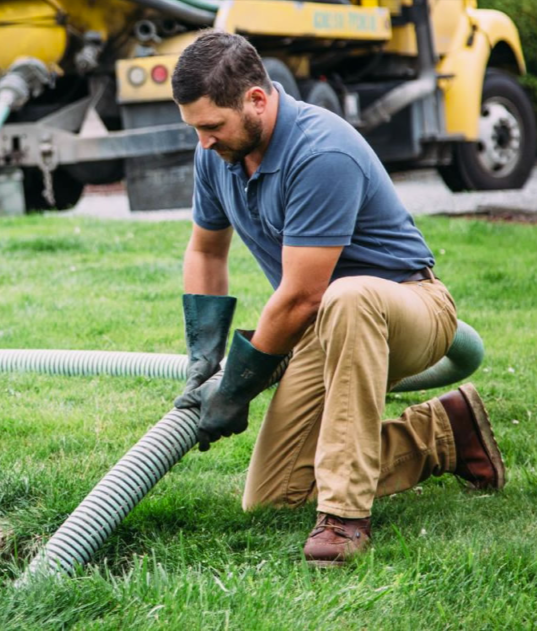
Septic Tank Cleaning
Professional septic tank cleaning services by MC Septic, ensuring optimal tank performance in Tennessee.
Grease Trap Cleaning
Expert grease trap cleaning services in Mosheim, Tennessee, provided by MC Septic, for a hassle-free experience.
Fencing & Barricades
Secure and durable fencing & barricades services by MC Septic across Tennessee, ensuring site safety and compliance.
Residential Storage
Reliable residential storage solutions available in Mosheim, offering peace of mind and space efficiency.
Mosheim Sanitation Solutions
In Mosheim, obtaining a quote and arranging delivery for septic services is a breeze with MC Septic. Our straightforward process ensures you can quickly request a detailed estimate through our website or by contacting us directly. Once you've reviewed your quote, our team expedites the delivery right to your location, bringing convenience to your doorstep. We understand the importance of time in event planning or project management, which is why our service is designed to prioritize efficiency without compromising on quality. Our skilled technicians coordinate with you to ensure everything from portable restrooms to septic tank cleanouts is set up precisely according to your schedule. You can rest assured knowing MC Septic offers transparent pricing, eliminating any surprises and allowing you to plan within budget. We take pride in facilitating a seamless rental experience, making us the preferred provider of septic services in Mosheim.
Immerse yourself in the charm and hospitality of Mosheim, Tennessee, with MC Septic's premium services. Our expert septic solutions elevate experiences at local landmarks like the Nolichucky River and annual highlights such as the Greene County Fair by ensuring pristine sanitation. For festivals or family gatherings, our services play a key role in crafting unforgettable memories. In Mosheim, MC Septic is distinguished by our deep community connections and appreciation of the local landscape. Designed to suit the area's unique attributes, we provide convenience and reliability to guarantee a comfortable experience for your guests. Count on us for efficient, dependable services suited to both urban and rural environments.
Why Choose MC Septic in Mosheim:Choose MC Septic in Mosheim for outstanding, locally-focused septic services. Our dedication to quality and reliability distinguishes us. We know what the community needs and provide custom solutions to achieve satisfaction. Whether you're planning a small gathering or a major event, our reliable service ensures top-notch sanitation options.Our thorough understanding of the region's unique needs and personalized approach allows us to meet various demands effectively. MC Septic stands for dependable services, making us the preferred choice for any occasion.
Fast and Reliable Services:MC Septic is known for providing some of the fastest and most reliable septic services in Mosheim. Our team understands the urgency of your needs and works diligently to deliver solutions promptly. From quick deliveries to efficient setups, we ensure your requirements are met with precision.Clients choose us for our unwavering dedication to reliability and quality. Our systematic approach and expert handling guarantee your septic needs are addressed swiftly, maintaining our reputation as a dependable service provider.
Discover Mosheim's Premier Septic
Renting a Septic system in Mosheim through MC Septic provides a seamless and convenient experience. Visit our website to begin; find user-friendly forms located at the top and bottom of the page. Enter your first name, last name, phone number, and email to submit your request. We have strategically placed 'Get A Quote' buttons throughout our pages for easy access. Clicking these buttons leads you to our streamlined quotation process, guiding you step by step. Once you complete the required information, our dedicated team swiftly reviews it and contacts you to finalize the details. You will receive a transparent quote, with all pricing elements clearly detailed, ensuring no hidden surprises. Our customer-centric process allows you to arrange top-quality septic services with ease, supporting both your event planning and construction projects.
The typical delivery timeframe for Septic orders with MC Septic is both swift and accommodating. Understanding the importance of timing for your projects or events, we aim to deliver your order promptly, usually within 24 to 48 hours following confirmation. Our efficient logistics team coordinates deliveries to perfectly align with your schedule, ensuring that your equipment is on-site exactly when needed. In urgent situations, we also offer expedited delivery services to meet tighter timelines, demonstrating our flexibility and commitment to our customers. Our punctuality is a testament to our dedicated service, focusing on minimizing any disruption to your activities. Clear communication from our team provides you with regular updates, so you're always informed about your delivery status. MC Septic's reliable service ensures that your sanitation solutions are both timely and efficiently managed.
Yes, MC Septic proudly services all types of events and construction projects, guaranteeing comprehensive solutions that cater to any setting. Whether you're organizing a grand festival, intimate wedding, corporate conference, or bustling construction site, our versatile offerings are designed to meet diverse needs. We provide a wide array of services, including luxury restroom trailers, standard porta potties, roll-off dumpsters, secure fencing and barricades, holding tanks, ADA-compliant units, portable sinks, and hand sanitizer stations. Our adaptable approach ensures that no matter the size or specificity of your event, we have the equipment and expertise to deliver high-quality service. By choosing MC Septic, you gain a reliable partner in planning and executing your event's sanitary requirements, with an emphasis on cleanliness, safety, and convenience for all participants.