Septic systems offer significant eco-friendly benefits, establishing them as a sustainable option for waste management. These systems naturally treat and dispose of wastewater onsite, dramatically reducing the need for long-distance sewage transport, thus cutting carbon emissions. By adopting this decentralized method, septic systems eliminate the necessity for complex municipal infrastructure, significantly lowering energy consumption typical of large-scale treatment plants. Compact and environmentally integrated, septic systems promote the reuse of treated water through soil absorption and groundwater recharge. This process not only conserves water but also ensures the continuous replenishment of local water tables. Unlike conventional systems that may discharge pollutants into oceans or rivers, septic systems contain and chemically treat waste at the source, protecting aquatic ecosystems from contamination. Each system is customized to match specific geological and hydrological conditions, making them adaptable and suitable for diverse landscapes. By fostering a renewable cycle of waste treatment and nutrient return, septic systems are praised for their minimal ecological footprint. Their maintenance and monitoring requirements promote responsible usage and increase awareness about waste production and water conservation, enhancing their environmental credentials. Choosing septic solutions reflects a commitment to protecting the environment and supports a broader global effort to reduce pollution and conserve vital natural resources.

Septic Rentals in Madison County, Tennessee
Call today for a free quote (423) 740-6901
Septic
Fast, Easy, & 100% Free To Get Started
Over 20 Years of Commitment
With over 20 years of dedicated service in Madison County, MC Septic is renowned for its commitment to quality. Our strong community ties and focus on customer satisfaction have established us as a reliable and professional choice for septic services.
Top-Quality Services Always
MC Septic ensures the highest quality in all our septic solutions. With comprehensive inspections and exceptional standards, we guarantee every service aligns with your expectations.
Prompt, Reliable Deliveries
At MC Septic, our quick delivery services ensure that your needs are met without delay. We pride ourselves on efficiency and reliability, getting your septic solutions to you right when you need them.
Reliable Septic Services in Madison County, Tennessee
Call for a Free Quote Today
(423) 740-6901
MC Septic in Madison County is a trusted name in sanitation solutions, known for its dependable service and local ownership. As a company embedded in the community, we ensure reliability in our offerings to construction sites, parties, and festivals. Our team is dedicated to maintaining high standards, providing clean and durable units for weddings and other special events. Serving Madison County and its surroundings, our range of septic services are tailored to meet diverse client needs. Whether you're hosting a large event or managing a construction project, our commitment to quality ensures a seamless experience. Trust MC Septic for all your sanitation needs and enjoy the peace of mind that comes with exceptional service.

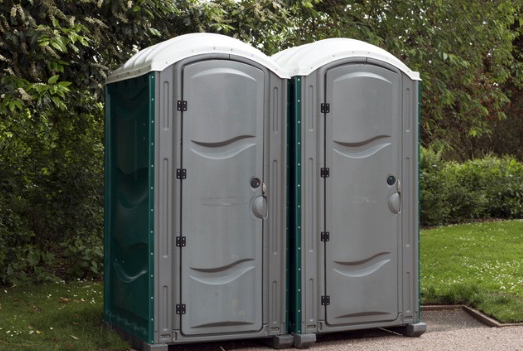
Durable, single-unit restroom with ventilation, an “In-Use” locking mechanism, and a hand sanitizer dispenser. A practical, sanitary solution for construction sites, events, and outdoor gatherings.
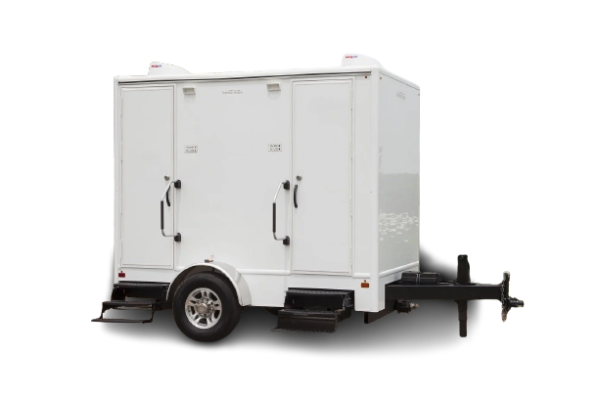
Multi-stall facility featuring flushing toilets, sinks with running water, interior lighting, and climate control. Perfect for weddings, festivals, and VIP events.
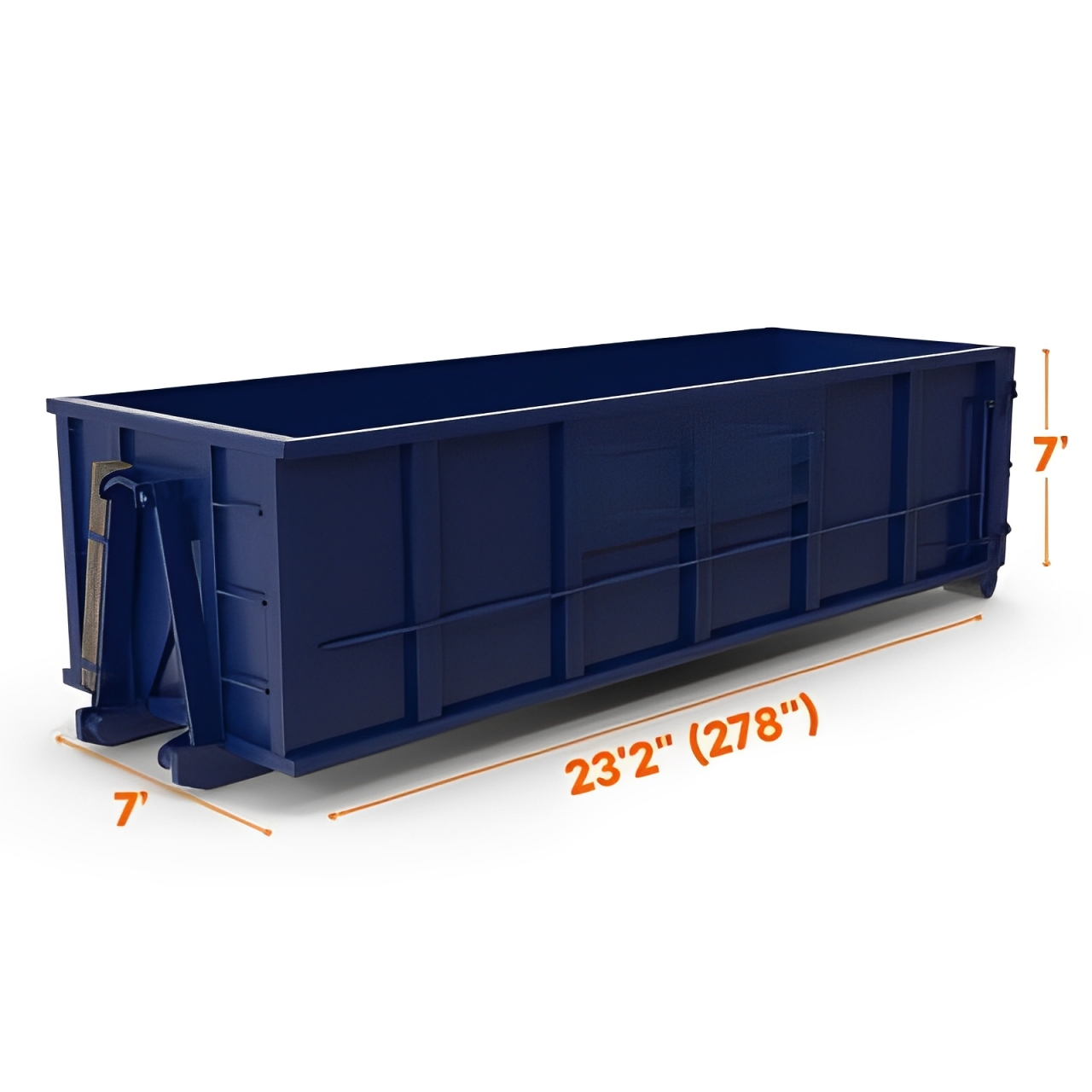
Large, open-top waste containers ideal for construction debris, home renovations, and cleanouts. We offer sizes ranging from 16-yard to 40-yard dumpsters to fit any project’s needs, ensuring easy, efficient disposal at your site.
We Proudly Serve
Standard Portable Toilets
Our standard portable toilets provide reliable, clean solutions for events and job sites throughout Tennessee.
High Rise Portable Toilets
The high-rise portable toilets in Madison County are expertly designed for accessibility in elevated construction zones.
Restroom Trailers
MC Septic's restroom trailers in Madison County offer luxurious amenities for weddings and special occasions.
Roll off Dumpsters
Our roll-off dumpsters support clean-up and waste management for all project sizes in Madison County.
Septic Tank Cleaning
Ensure your system functions smoothly with our professional septic tank cleaning services in Tennessee.
Grease Trap Cleaning
Efficient grease trap cleaning in Madison County helps keep commercial kitchens running smoothly and prevents blockages.
Fencing & Barricades
Our Tennessee fencing and barricades services provide secure and adaptable solutions for event and site management.
Residential Storage
Secure your valuables with our reliable residential storage services available throughout Madison County.
Madison County Septic and Sanitation Services
Experience the ease of acquiring a quote and arranging delivery for your septic needs with MC Septic. Our streamlined online system provides a user-friendly platform to request your desired services effortlessly. Whether you are hosting an event or managing a construction site, our rapid response ensures that your requirements are promptly addressed. Simply fill out the top or bottom forms with your details, or click 'Get A Quote' for immediate assistance. We prioritize a hassle-free booking experience where clarity and convenience are key. Our team is poised to assist, ensuring that all logistical aspects are managed with precision, giving you peace of mind. With a seamless process, MC Septic empowers you to focus on the event while we handle the sanitation needs, making us the top choice in Madison County.

Nestled in the heart of scenic Madison County, MC Septic is perfectly positioned to serve an area filled with local charm and natural beauty. Our services seamlessly align with the attractions and vibrant events that define the region, such as the enchanting Casey Jones Village and the celebrated West Tennessee State Fair. Whether you're organizing a countryside wedding or hosting a music festival, our clean and reliable septic solutions ensure an exceptional guest experience. Madison County's unique mix of community spirit and natural wonders offers a remarkable backdrop, and we are proud to be part of this thriving area. Our commitment to providing sanitary facilities complements the county's focus on outdoor living and connection to nature. Let MC Septic enhance your event with seamless service and quality products. Choose us as your trusted partner for all your sanitation needs, and enjoy the benefits of local expertise coupled with professional dedication, ensuring every gathering is a success.
MC Septic stands out as the best choice in Madison County for delivering exceptional septic services. With over two decades of experience, we possess a deep understanding of the local landscape and community needs. Our services are crafted to match the unique characteristics of the region, ensuring that customers receive personalized attention. We pride ourselves on reliability, offering prompt and efficient solutions that are both effective and sustainable. The seamless blend of traditional values and modern technology allows us to provide unparalleled service. MC Septic is committed to upholding the highest standards, securing our reputation as the go-to provider for septic solutions in the area. Our dedicated team works tirelessly to ensure your satisfaction, proving time and again why we're trusted to enhance any event or project with sanitation solutions that are second to none.
At MC Septic, we pride ourselves on delivering swift and dependable septic services tailored for the varied needs of Madison County's dynamic landscape. Our industry-leading turnaround times ensure that all your septic requirements are addressed with urgency and precision, aligning seamlessly with any project timeline. Equipped with skilled professionals and advanced tools, our team swiftly and efficiently handles requests. Whether you're organizing a bustling community festival or managing a large construction site, our services are designed to keep operations seamless. Emphasizing punctuality and reliability, MC Septic provides exceptional service promptly, which grants you peace of mind and lets you focus on higher priorities. Trust MC Septic for quick responses and reliable solutions, keeping your projects consistently on track.
Explore Our Septic Solutions in Madison County
Renting a septic system in Madison County is a streamlined process designed to meet your needs efficiently. Our website provides convenient forms located at the top and bottom of the page for your ease. Simply fill them out with your first name, last name, phone number, and email to get started. Throughout our site, the 'Get A Quote' buttons offer immediate access to our team for inquiries and assistance. Our dedicated staff ensures that once we receive your request, a detailed quote is promptly sent to you, covering all aspects of your rental needs, from equipment options to delivery specifics. Transparency is a cornerstone of our service, and we provide clear, upfront pricing with no hidden fees, bringing you peace of mind. Our commitment to timely and reliable service means that we work closely with you to coordinate delivery schedules that accommodate your specific event or project timelines. Our professional team is equipped to handle all logistics, ensuring a hassle-free experience that allows you to focus on other important aspects of your endeavor. Whether for small gatherings, large festivals, or active construction sites, our septic solutions are tailored to provide the highest standards of cleanliness, reliability, and customer satisfaction. Engage with us today to experience seamless rental services designed to exceed your expectations.
When it comes to delivering septic systems and services, our company is committed to providing you with the fastest service possible. Typically, orders are fulfilled within 24 to 48 hours from the time of booking. This prompt delivery is made possible by our efficient logistics and dedicated team that prioritizes your needs. For critical situations or high-priority scenarios, we offer expedited service, ensuring that your septic solutions are dispatched with urgency. Our expansive fleet and strategic partnerships within Madison County enable us to deliver across varied locations seamlessly, minimizing potential delays. Understanding the importance of timing for events and construction projects, we provide proactive communication throughout the delivery process. Our clients are kept informed from dispatch to arrival, guaranteeing transparency and offering peace of mind. In instances that require immediate attention, our customer service team is available to facilitate special arrangements, demonstrating our flexibility and commitment to going the extra mile. With a proven track record of reliability, we ensure that our deliveries align with your schedule and expectations, making us the preferred choice for timely septic services.
Yes, we are fully equipped to support any type of event or construction service you may require. Our extensive range includes services for festivals, sporting events, weddings, corporate gatherings, family reunions, and more. We cater to the unique demands of each occasion with options like luxury restroom trailers, porta potties, roll-off dumpsters, and more.Our service capabilities also extend to construction sites with essential setups such as portable sinks, portable sanitation units, and hand sanitizer stations to ensure compliance and safety. Our comprehensive inventory includes ADA-compliant units, allowing us to meet diverse accessibility needs efficiently.Understanding that both large and small events present logistical challenges, our team is dedicated to meticulous planning and execution, ensuring every aspect of sanitation is covered. Our reputation for reliability and exceptional service quality makes us the go-to provider for all sanitation needs, regardless of the event size or complexity.Trust our expertise and commitment to maintaining cleanliness and order, enabling you to focus on the success of your event or project while we manage the sanitation essentials.