Using septic services brings numerous eco-friendly benefits that contribute to sustainability and environmental protection. Septic systems naturally filter and treat wastewater on-site, reducing the need for centralized sewage treatment and lowering environmental impact. They promote groundwater replenishment by allowing treated water to gradually seep into the ground, naturally filtering through soil layers and recharging aquifers. Septic services also help maintain the natural cycle of nutrient recycling; as wastewater breaks down, it provides nutrients for plant growth, supporting ecosystems around the leach field. Another eco-friendly advantage is the promotion of energy efficiency, as septic systems use minimal energy compared to the extensive energy requirements of centralized sewage plants. Their decentralized nature allows both residential and remote communities to sustainably manage wastewater, decreasing the reliance on fossil-fueled energy sources and contributing to a reduced carbon footprint. Septic systems can also accommodate alternative water sources like recycled greywater, further conserving resources. Regular maintenance, ensured by professional septic services, enhances system performance and longevity while protecting local waterways from potential contaminants. Professional cleaning prevents excess nitrogen and phosphorus from infiltrating water systems, safeguarding aquatic life. By choosing septic services, you contribute to a healthier, balanced ecosystem and sustainable community growth. Understanding these benefits can inform environmentally conscious decisions for sanitation, reflecting a commitment to protecting our environment and future generations.

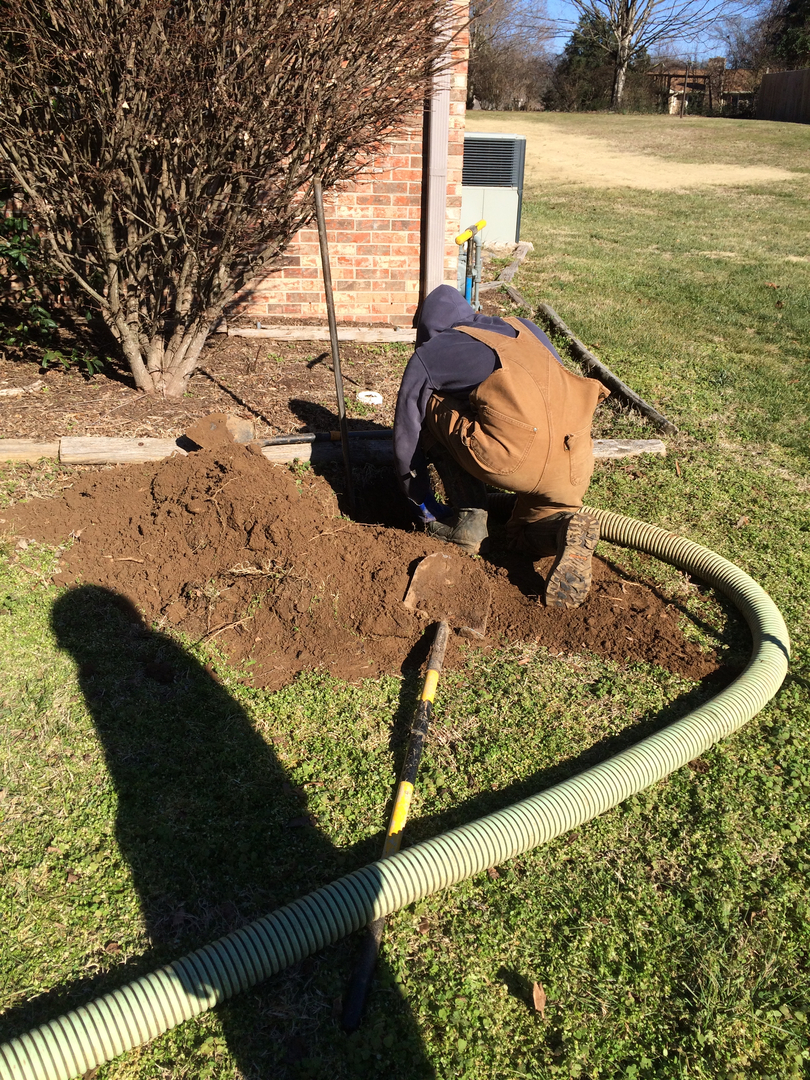
Septic Rentals in Haywood County
Call today for a free quote (423) 740-6901
Septic
Fast, Easy, & 100% Free To Get Started
Over 20 Years of Expertise
With over 20 years of experience, MC Septic has delivered outstanding septic services to Haywood County. Our deep community roots and dedication to quality guarantee dependable service.
Quality You Can Trust
MC Septic consistently delivers exceptional services, ensuring each unit is expertly prepared for peak performance. Our unwavering commitment to quality has earned us enduring trust from our clients.
Timely and Efficient Delivery
We focus on prompt delivery to ensure your event runs seamlessly. Our efficient service guarantees your sanitation facilities are ready precisely when needed.
Reliable Septic Services in Haywood County
Call for a Free Quote Today
(423) 740-6901
MC Septic is your reliable partner for professional sanitation services in Haywood County and nearby regions. As a locally owned and operated business, we specialize in delivering dependable solutions for construction sites, parties, festivals, and weddings. Our dedicated and skilled team ensures all septic needs are addressed promptly and efficiently. With years of experience, we have built a reputation for reliability, positioning us as a top choice for any event. Choose MC Septic for seamless service that promises satisfaction and competitive pricing, supporting diverse community events. Feel confident knowing your sanitation requirements are in the hands of a company deeply committed to quality and client satisfaction.

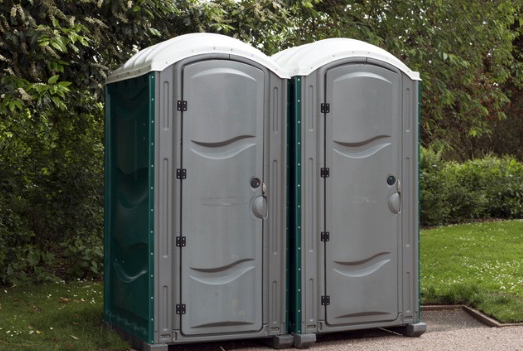
Durable, single-unit restroom with ventilation, an “In-Use” locking mechanism, and a hand sanitizer dispenser. A practical, sanitary solution for construction sites, events, and outdoor gatherings.
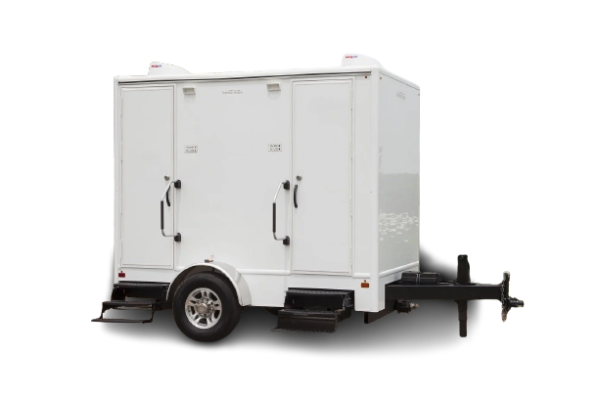
Multi-stall facility featuring flushing toilets, sinks with running water, interior lighting, and climate control. Perfect for weddings, festivals, and VIP events.
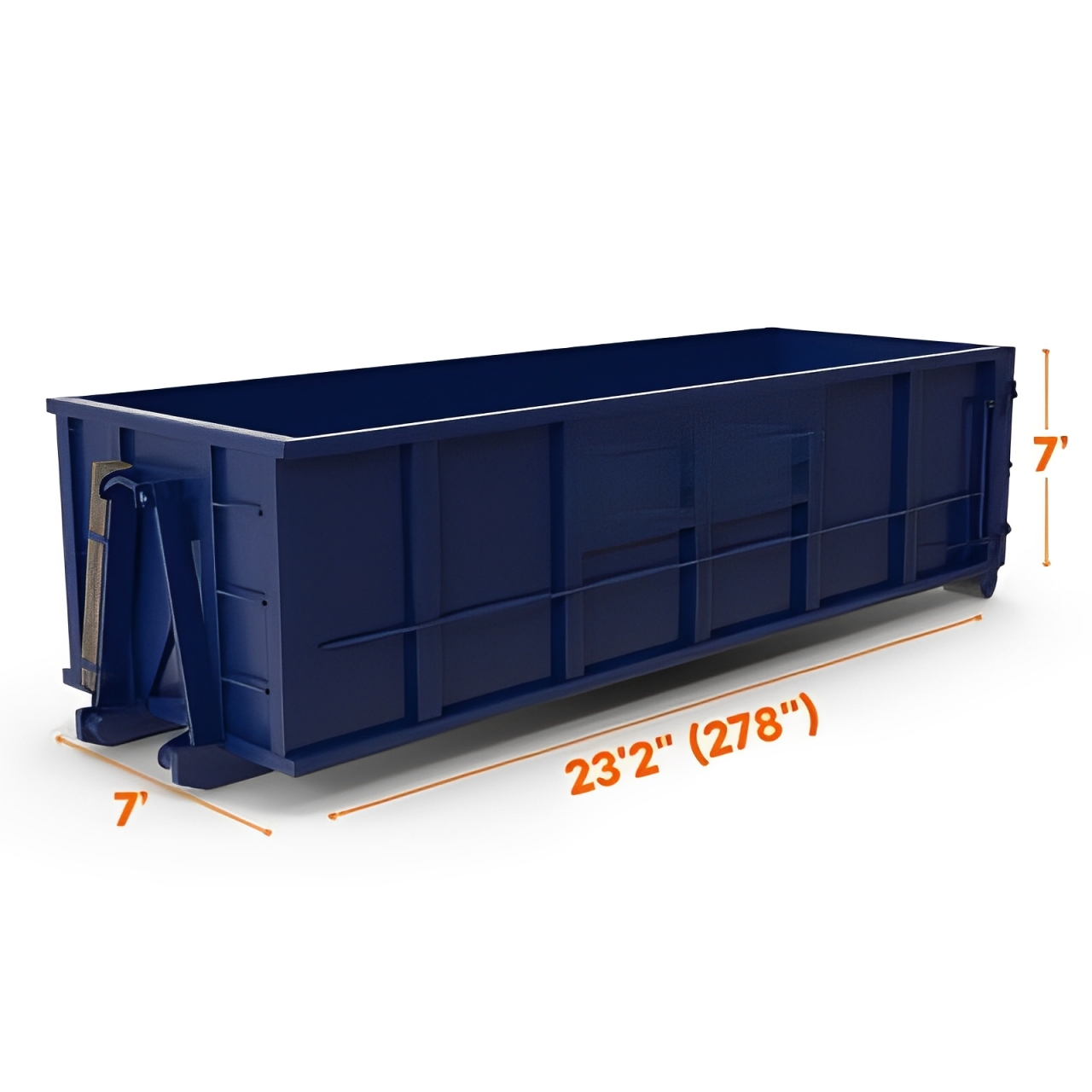
Large, open-top waste containers ideal for construction debris, home renovations, and cleanouts. We offer sizes ranging from 16-yard to 40-yard dumpsters to fit any project’s needs, ensuring easy, efficient disposal at your site.
We Proudly Serve
Standard Portable Toilets
Our standard portable toilets offer practical, clean, and accessible sanitation solutions for any event or site in Tennessee.
High Rise Portable Toilets
Our high rise portable toilets are engineered for convenience and efficiency at elevated job sites in Haywood County.
Restroom Trailers
Restroom trailers in Haywood County elevate comfort and style for any occasion, providing upscale amenities for guests.
Roll off Dumpsters
MC Septic's roll-off dumpsters offer reliable waste management solutions for projects big and small in Haywood County.
Septic Tank Cleaning
Trust MC Septic for thorough septic tank cleaning services, maintaining system efficiency throughout Tennessee.
Grease Trap Cleaning
Keep your kitchen operations in Haywood County running smoothly with our reliable grease trap cleaning services.
Fencing & Barricades
Ensure safety and organization at your site with our durable fencing and barricades in Tennessee.
Residential Storage
Our residential storage solutions in Haywood County provide secure, reliable options to keep your belongings safe.
Haywood County Sanitation Solutions
Getting a quote and arranging delivery for septic services through MC Septic is straightforward and convenient. We understand the importance of clear communication and efficient processes, which is why we offer an easy-to-navigate website where you can access a quote form prominently displayed at the top and bottom of our pages. By filling out your name, phone number, and email, you can swiftly receive a custom quote tailored to your needs. Our dedicated team is quick to respond, ensuring you receive the information you need without delay. Once your quote is confirmed, our reliable delivery team prepares to bring your selected services right to the required location, whether it be a residential or commercial site. Our emphasis on reliability means you can expect our professional team to arrive on time, equipped with everything necessary to set up your septic solution efficiently. From start to finish, our process is designed to be as seamless as possible, leaving you free to focus on the success of your event or project. Experience the ease of working with MC Septic and discover how simple sanitation solutions can be.
Haywood County, home to charming landmarks like the Hatchie National Wildlife Refuge and the annual Hatchie Fall Fest, offers a perfect mix of natural beauty and vibrant community events. At MC Septic, we are dedicated to enhancing these experiences by providing reliable and convenient septic services tailored to meet the needs of any occasion. Whether you're hosting a local festival immersed in the scenic landscapes or a cozy family reunion under the expansive Tennessee sky, our services ensure seamless sanitation solutions. Our presence in Haywood County means we genuinely understand the local culture and values, enabling us to provide personalized service that resonates with the community's spirit. Our septic solutions are designed to complement the area's beauty, offering clean and dependable options that contribute positively to any gathering. With MC Septic, your guests will enjoy a pleasant experience, allowing them to focus on the delights of the event. Cleanliness and customer satisfaction drive us, making us the top choice for septic services in Haywood County. Trust MC Septic to handle your sanitation needs with professionalism and a commitment to boosting your event's success.
Why Choose MC Septic in Haywood County? Our company distinguishes itself by delivering exceptional septic services designed to exceed your expectations. We are deeply rooted in the local community, allowing us to provide insightful advice and personalized solutions that set us apart from others. Being locally owned, MC Septic is intimately familiar with the specific needs of Haywood County residents and businesses. This knowledge enables us to offer tailored services that align perfectly with local events and practices. Our dedication to quality, combined with over 20 years of experience, means we guarantee satisfaction with every service we provide. Our focus is not only on delivering high-performing septic solutions but also on building lasting relationships with our clients. We believe in transparency, open communication, and trust, ensuring you receive reliable services with no hidden surprises. Work with MC Septic and enjoy the peace of mind that comes with choosing a company committed to excellence.
Fast, Reliable Septic Services When it comes to providing efficient septic solutions, MC Septic leads the way with our swift and reliable services tailored to meet your specific needs. With our headquarters strategically positioned in Haywood County, we are ready to respond quickly to any request. Our experienced team ensures that high-priority deliveries and installations are completed to your satisfaction, minimizing wait times and maximizing convenience. We understand the importance of timeliness, particularly in situations where sanitation solutions are urgently needed. Our streamlined processes, paired with expertly trained professionals, enable us to maintain high standards of performance while delivering service promptly. Choose MC Septic for efficient septic services and see how we aptly combine speed and reliability in every task.
Explore Septic Services in Haywood County
Renting a septic system in Haywood County with MC Septic is a straightforward process designed for ease and flexibility. Simply head to our website where you'll find quote request forms conveniently placed at the top and bottom of each page. By clicking the prominent 'Get A Quote' buttons scattered throughout the site, you'll be directed to these forms where you can start your rental process. The form requires your basic contact details—first name, last name, phone number, and email—upon which our dedicated customer service team will promptly review and respond with a detailed proposal. This personalized quote outlines all available options and pricing, so you can make an informed decision based on your specific needs. Additionally, our expert representatives are available to offer guidance and help you select the best system for your project's requirements, whether it be an event or construction site. Our dependable delivery schedule ensures that your units will arrive precisely when you need them, with no delays to stall your plans. Trust MC Septic to provide efficient and hassle-free sanitation solutions tailored to Haywood County's unique landscape and events. Our courteous staff, coupled with our user-friendly rental process, makes accessing top-tier septic services a breeze.
When scheduling a septic order with MC Septic, you can typically expect a delivery timeframe that is both quick and predictable. Our operations team strives to meet customer expectations by offering timely delivery, usually within one to three business days, depending on your location in Haywood County and current service demands. We recognize the necessity for prompt service, particularly for events and projects with tight schedules, and thus prioritize efficient logistics and communication to ensure timely arrivals. Our transparent process involves constant updates and confirmations to keep you informed every step of the way. For urgent requests, our flexible scheduling accommodates shorter notice periods, with expedited services available to meet immediate needs. By choosing MC Septic, you are choosing a partner committed not only to reliability but also to adaptability, ensuring your septics are in place when you need them most. A pledged dedication to punctuality means we respect and value your time, working tirelessly to ensure your service meets deadlines without compromises—as to enhance your event or project with minimal disruption.
MC Septic provides comprehensive services for events and construction projects, offering tailored solutions for diverse needs. Whether organizing large-scale festivals, bustling sporting events, intimate weddings, or corporate gatherings, our luxury restroom trailers and standard porta-potties offer dependable service. We cater to the specific requirements of each event, providing options such as superior sanitation, extra roll-off dumpsters, and strategic fencing and barricade placement for seamless organization. Our ADA units and portable sinks ensure accessibility and hygiene, elevating guest satisfaction and regulatory compliance. On construction sites, our robust facilities are built for durability, maintaining worker productivity by meeting their sanitation requirements effectively. Our team works closely with you to customize selection and placement, enhancing functionality and flow at every site. At MC Septic, our commitment to excellence includes guiding customers in choosing the ideal setup. Our skilled professionals handle delivery, installation, and maintenance with precision. Emphasizing quality and flexibility, we consistently fulfill varied demands, ensuring smooth operations across all environments.