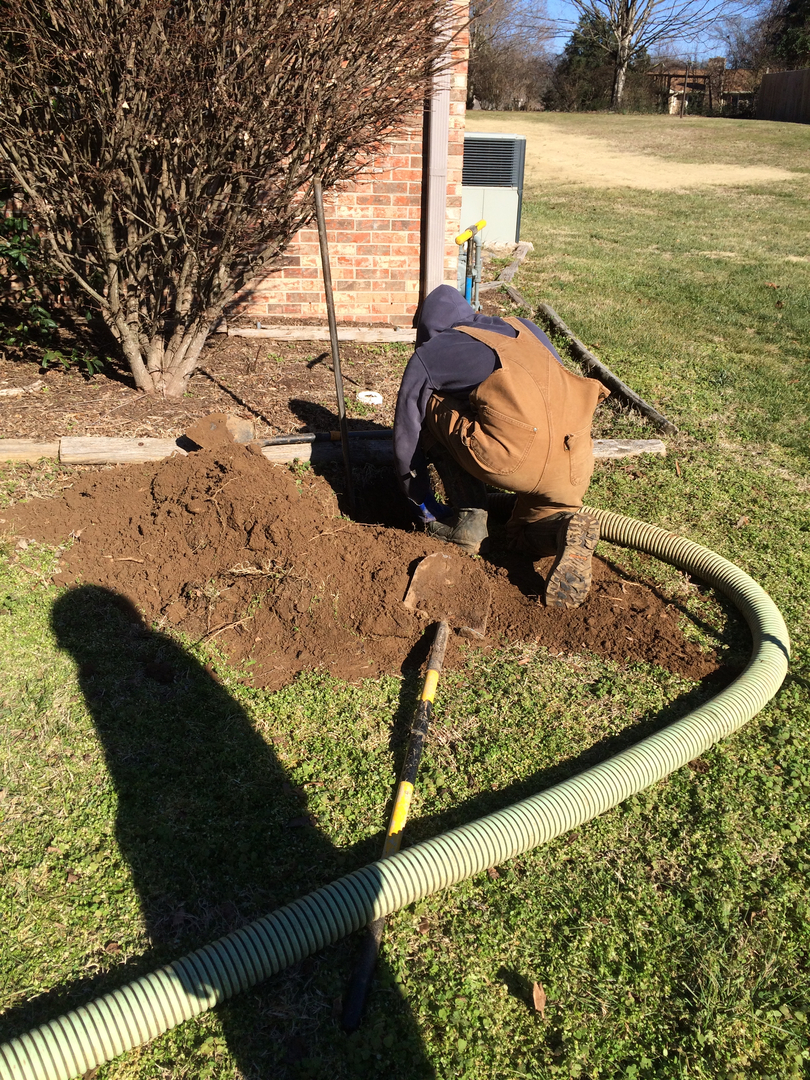
Choosing septic systems provides several eco-friendly benefits. Most notably, septic systems reduce the demand on municipal sewage treatment facilities, conserving energy and resources. These systems promote the natural breakdown of organic matter, utilizing bacteria that naturally occur in the environment. This process minimizes the release of harmful chemicals associated with larger sewage treatment plants. Further, because septic systems filter wastewater through natural soil layers, they help recharge groundwater supplies, maintaining a sustainable water table. The design of septic systems limits water usage, emphasizing conservation and efficiency, leading to less wasteful practices. By locally managing wastewater, septic systems substantially decrease pollution levels, thereby improving local ecosystem health.In addition, proper maintenance of septic systems encourages biodiversity in soil microorganisms, contributing to healthier and more resilient environments. This self-sustaining cycle allows homeowners to actively participate in sustainable practices by opting for regular pump-outs and system inspections, ensuring longevity and efficiency of the system. Overall, septic systems not only offer an affordable and sustainable solution for wastewater management but also actively contribute to environmental stewardship on a local level.
Septic Rentals in Hamblen County, Tennessee
Call today for a free quote (423) 740-6901
Septic
Fast, Easy, & 100% Free To Get Started
Over 20 Years of Expertise
With over 20 years of experience, MC Septic is deeply rooted in the community, offering reliable and quality septic services across Hamblen County. Our dedication to customer satisfaction ensures top-notch service and enduring trust.
Quality Assured Service
MC Septic guarantees the highest quality service, focusing on providing thorough, reliable, and satisfying solutions for all your septic needs in Hamblen County.
Swift and Reliable Delivery
At MC Septic, we pride ourselves on fast and dependable delivery services, ensuring clients receive timely septic solutions in Hamblen County.
Reliable Septic Solutions in Hamblen County
Call for a Free Quote Today
(423) 740-6901
MC Septic, the leader in septic services across Hamblen County, Tennesse, is known for its dependability, reliability, and local ownership. We pride ourselves on serving Morristown and surrounding areas with unmatched service for construction sites, parties, festivals, and weddings. With a focus on excellence, we ensure that our clients' sanitation needs are met efficiently and professionally. Our team of experts guarantees timely delivery and setup, providing peace of mind for every event. By choosing MC Septic, customers enjoy exceptional service that is both trustworthy and community-focused. We uphold our reputation by offering top-notch septic solutions, ensuring a clean and safe environment for all occasions.
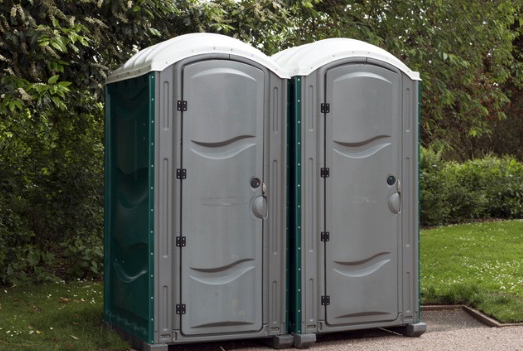
Durable, single-unit restroom with ventilation, an “In-Use” locking mechanism, and a hand sanitizer dispenser. A practical, sanitary solution for construction sites, events, and outdoor gatherings.
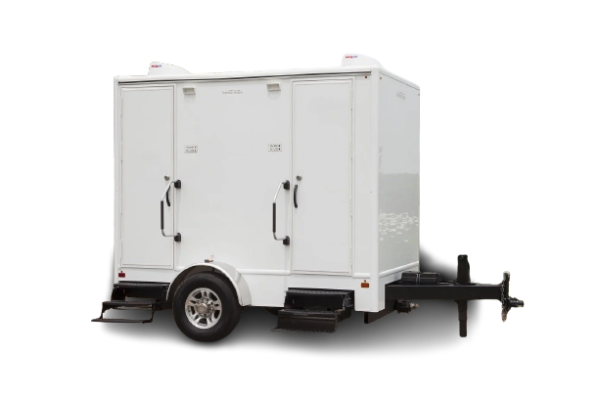
Multi-stall facility featuring flushing toilets, sinks with running water, interior lighting, and climate control. Perfect for weddings, festivals, and VIP events.
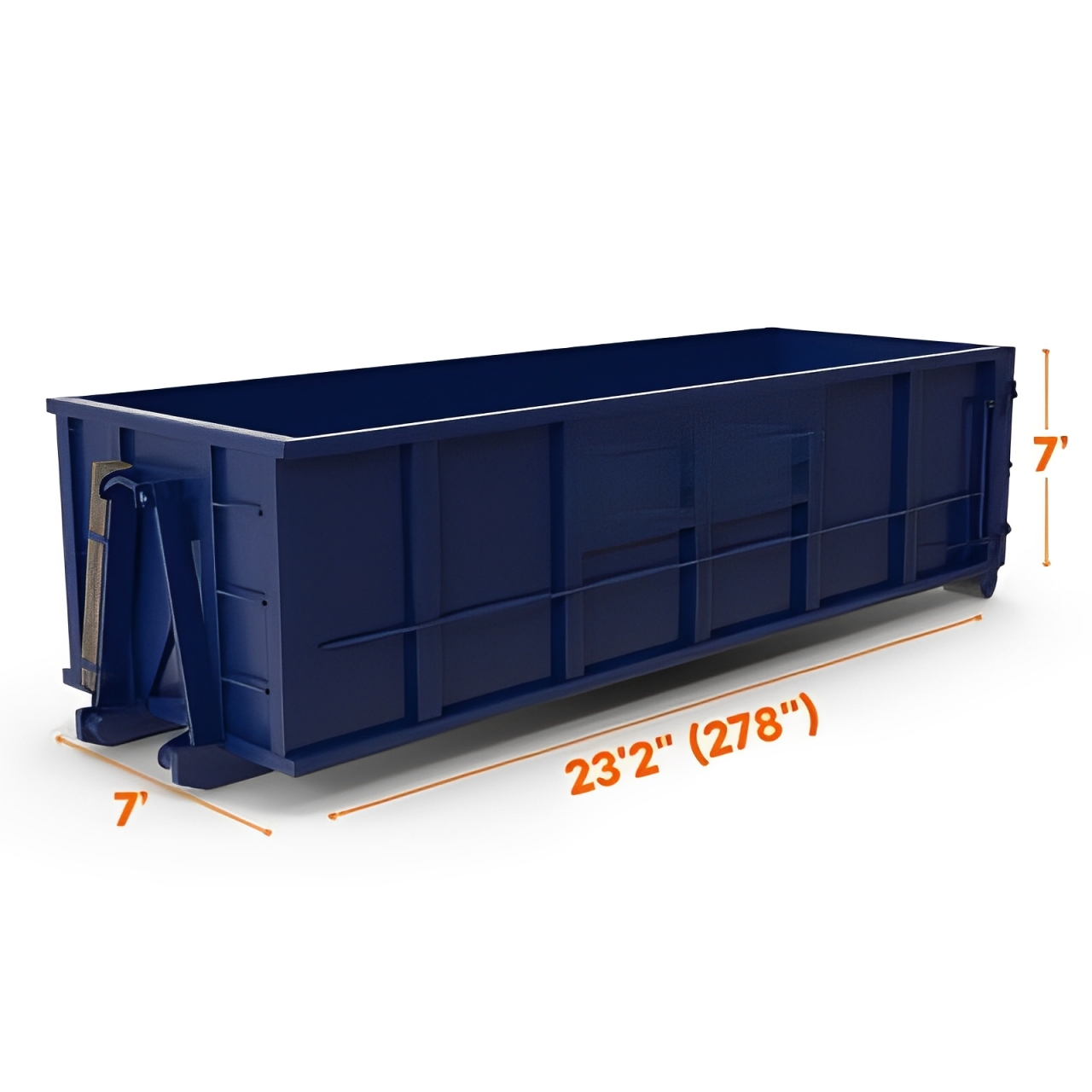
Large, open-top waste containers ideal for construction debris, home renovations, and cleanouts. We offer sizes ranging from 16-yard to 40-yard dumpsters to fit any project’s needs, ensuring easy, efficient disposal at your site.
We Proudly Serve
Standard Portable Toilets
MC Septic offers versatile standard portable toilets, ideal for any outdoor event or construction site in Tennessee.
High Rise Portable Toilets
Our high-rise portable toilets in Hamblen County cater to unique construction needs with accessible and efficient services.
Restroom Trailers
Experience luxury with our restroom trailers in Hamblen County, perfect for high-end events or extensive projects.
Roll off Dumpsters
Our roll-off dumpsters at MC Septic in Hamblen County offer practical waste disposal solutions for homes and businesses.
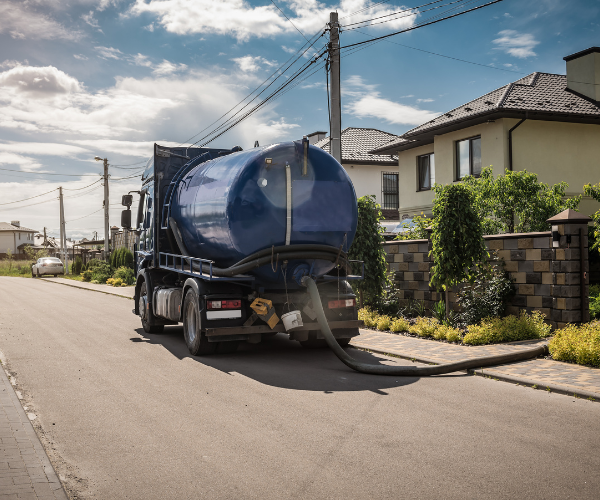
Septic Tank Cleaning
MC Septic provides comprehensive septic tank cleaning services to ensure optimal system performance in Tennessee.
Grease Trap Cleaning
Keep your operations smooth with our professional grease trap cleaning services, serving Hamblen County, Tennessee.
Fencing & Barricades
Utilize our sturdy fencing and barricades service from MC Septic for secure events and sites throughout Tennessee.
Residential Storage
Trust MC Septic for secure and reliable residential storage solutions in Hamblen County, Tennessee.
Hamblen County Septic Services
At MC Septic, we understand how crucial it is for you to receive efficient and convenient septic services. Whether you're looking for a quote or arranging delivery, we've streamlined our process to make it as easy as possible. With multiple 'Get A Quote' buttons across our website, accessing the necessary forms is simple and hassle-free. Just fill out your first name, last name, phone number, and email to receive a quick response. Our dedicated team ensures all inquiries are handled promptly, guaranteeing a seamless experience for every client. We offer swift and dependable service deliveries directly to your location in Hamblen County, whether you're preparing for a residential event or a large-scale commercial project. Choose MC Septic for your sanitation needs and experience the ease and convenience of professional service dedicated entirely to your satisfaction.
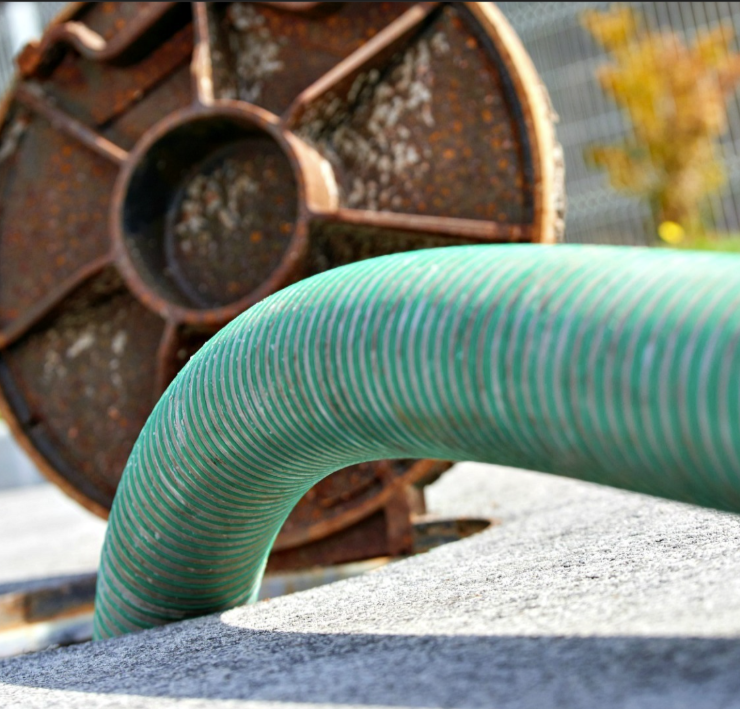
Nestled in the heart of Hamblen County, near the scenic beauty of Panther Creek State Park, MC Septic is the preferred choice for individuals and businesses seeking reliable septic solutions. Our services enhance the charm and beauty of the local community, ensuring essential sanitation for outdoor events and public gatherings such as the cherished Morristown Strawberry Festival. Embrace nature with confidence as you explore the area's parks and attractions, knowing that MC Septic supports your adventures with top-notch sanitation facilities. Our team takes pride in contributing to the vibrant community through reliable services that reflect the unique character of Hamblen County. Our commitment to quality ensures that our services meet the high standards that residents and visitors deserve. With MC Septic, you can rest assured that every detail is managed efficiently, allowing you and your guests to enjoy memorable occasions without concern for sanitation needs.
Choosing MC Septic in Hamblen County means opting for unmatched service and expertise. Our locally owned and operated company deeply embeds itself in the community, translating strong ties into exceptional customer care.Years of experience prove our reliability and commitment to quality, ensuring your events and projects benefit from top-tier sanitation solutions. We earn the trust of residents and businesses alike by continually striving to deliver superior services that distinguish us from the rest.Let us handle your sanitation needs with professionalism and efficiency, making MC Septic more than just a service provider—we're a partner in your success.
At MC Septic, we recognize the critical need for fast and reliable septic services. Our experienced team delivers quick, responsive assistance you can depend on every time. We prioritize efficiency while maintaining high-quality standards, ensuring that each septic task receives expert attention.Our operations are tailored to provide swift solutions, reducing downtime and facilitating the smooth execution of your events and projects. Trust us for consistent services throughout Hamblen County, where our expertise and commitment are evident in every job.Experience the confidence that comes with choosing a company that values punctuality and professionalism as much as you do.
Hamblen County: Learn More About Our Septic
Renting a septic system in Hamblen County is uncomplicated and designed for your convenience. Begin by navigating to our website, where you'll find 'Get A Quote' buttons strategically placed across all pages. Clicking any of these buttons will guide you to a user-friendly form, located at the top and bottom of each page, asking for your first name, last name, phone number, and email. Submitting this information allows our team of professionals to quickly assess your needs and contact you with a customized rental solution. After submitting your request, expect a prompt and professional response from our dedicated staff, who will walk you through service options and pricing tailored to fit your event or project. Our seamless process ensures clients experience efficient and quality service, from inquiry through to delivery and setup. For further assistance or inquiries, our customer service team is just a phone call away, ready to ensure your septic needs are handled with care and expertise.
Understanding your need for prompt service, we strive to deliver your septic orders as swiftly as possible. Our standard delivery timeframe is within 24 to 48 hours after order confirmation, ensuring you have what you need without unnecessary delays. For events or projects requiring immediate attention, an expedited delivery option is available; simply make this request during your initial consultation and our team will do their utmost to accommodate. To maintain our high standards of service, each delivery is scheduled based on the complexity and requirements of your specific needs. Rest assured, our staff works diligently to adhere to timelines, providing seamless setup and operation so you can focus on the success of your event or project. Our commitment to efficiency means you can count on consistent communication throughout the delivery process, ensuring satisfaction and peace of mind. By prioritizing reliability, MC Septic assures that your orders are executed with precision and care.
Yes, MC Septic can service any type of event or construction requirement with a full range of offerings to meet diverse needs. We cater to festivals, sporting events, weddings, corporate events, and family reunions, providing solutions that range from luxury restroom trailers to standard porta potties. Our services also include roll-off dumpsters, fencing, barricades, holding tanks, ADA units, and portable sinks, as well as hand sanitizer stations to ensure safety and hygiene standards are met. Our flexibility and wide array of equipment allow us to tailor our services to suit any special event setting. Whether you're planning a small local gathering or a large corporate function, MC Septic guarantees professional, timely services designed to seamlessly integrate with your event plans.