Septic systems offer numerous eco-friendly advantages that contribute to a sustainable and environmentally sensitive approach to waste management. One primary benefit is their alignment with natural microbial processes, which effectively treat and break down waste materials. This method significantly reduces the reliance on central sewer systems that can lead to higher energy consumption and larger infrastructural footprints. Septic systems typically operate underground, utilizing natural seepage and filtration methods, minimizing surface pollutants, and preserving the purity of groundwater resources.Moreover, septic tanks prevent the contamination of freshwater bodies by containing and treating waste locally, reducing the environmental strain caused by extensive sewage networks. The regular maintenance of a septic system is crucial to its eco-efficiency, ensuring it's not overwhelmed by waste. This proactive care encourages homeowners to be more conscious of their water use and waste production, promoting habits that benefit both the environment and personal water bills.Additionally, using septic systems supports biodiversity by maintaining reduced human interference in natural landscapes. By encouraging decentralized waste management, septic systems also contribute to lower carbon footprints associated with traditional sewage management facilities, where transportation and large-scale treatment are necessary. Cultivating awareness about these eco-friendly benefits invites more sustainable practices that safeguard our planet's waters and landscapes.Overall, the environmentally friendly advantages of septic systems highlight a beneficial pathway for managing waste locally, encouraging both personal responsibility and systemic efficiency. Choosing a well-maintained septic system bolsters resilience against pollution, enhances ecosystem health, and reflects a commitment to preserving natural resources for future generations.

Septic Rentals in Greeneville, Tennessee
Call today for a free quote (423) 740-6901
Septic
Fast, Easy, & 100% Free To Get Started
Over 20 Years of Expertise
With over 20 years of experience, MC Septic has become a cornerstone in Greeneville's sanitation services. Our dedication to quality and community involvement ensures each client receives personalized care, reflective of our deep-rooted ties in the area.
Unmatched Quality Service
At MC Septic, we steadfastly deliver top-notch service. We guarantee our customers in Greeneville and Tennessee receive the highest quality septic solutions. Our efficient service and meticulous attention to detail ensure your satisfaction every time.
Swift Delivery Services
MC Septic is dedicated to fast and efficient service delivery. We focus on providing timely septic solutions to ensure minimal disruption for our clients, thanks to a streamlined process that emphasizes promptness and reliability.
Reliable Septic Solutions in Greeneville
Call for a Free Quote Today
(423) 740-6901
MC Septic, based in Greeneville, Tennessee, stands as a locally owned leader in delivering top-notch septic services. We have built a reputation for dependability and unwavering commitment to excellence, becoming a trusted name in the community. While proudly serving Greeneville, we also extend our expertise to surrounding areas, offering unparalleled service to both residential and commercial clients. Whether you're planning construction sites, festivals, parties, or weddings, our comprehensive solutions, including portable restrooms and septic tank pumping, address every sanitation need. Our customer-focused approach, coupled with deep industry expertise, ensures efficient service, providing you peace of mind. Rely on MC Septic for clean, reliable, and timely sanitation solutions, precisely tailored to your needs.
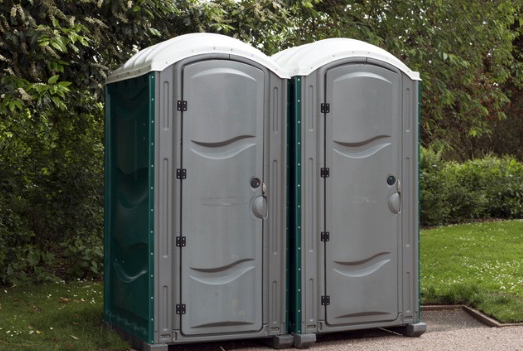
Durable, single-unit restroom with ventilation, an “In-Use” locking mechanism, and a hand sanitizer dispenser. A practical, sanitary solution for construction sites, events, and outdoor gatherings.
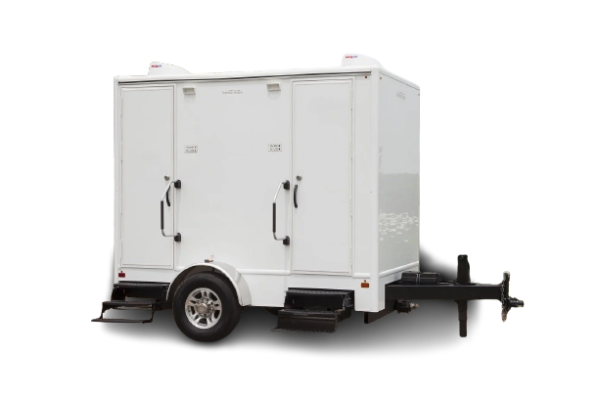
Multi-stall facility featuring flushing toilets, sinks with running water, interior lighting, and climate control. Perfect for weddings, festivals, and VIP events.
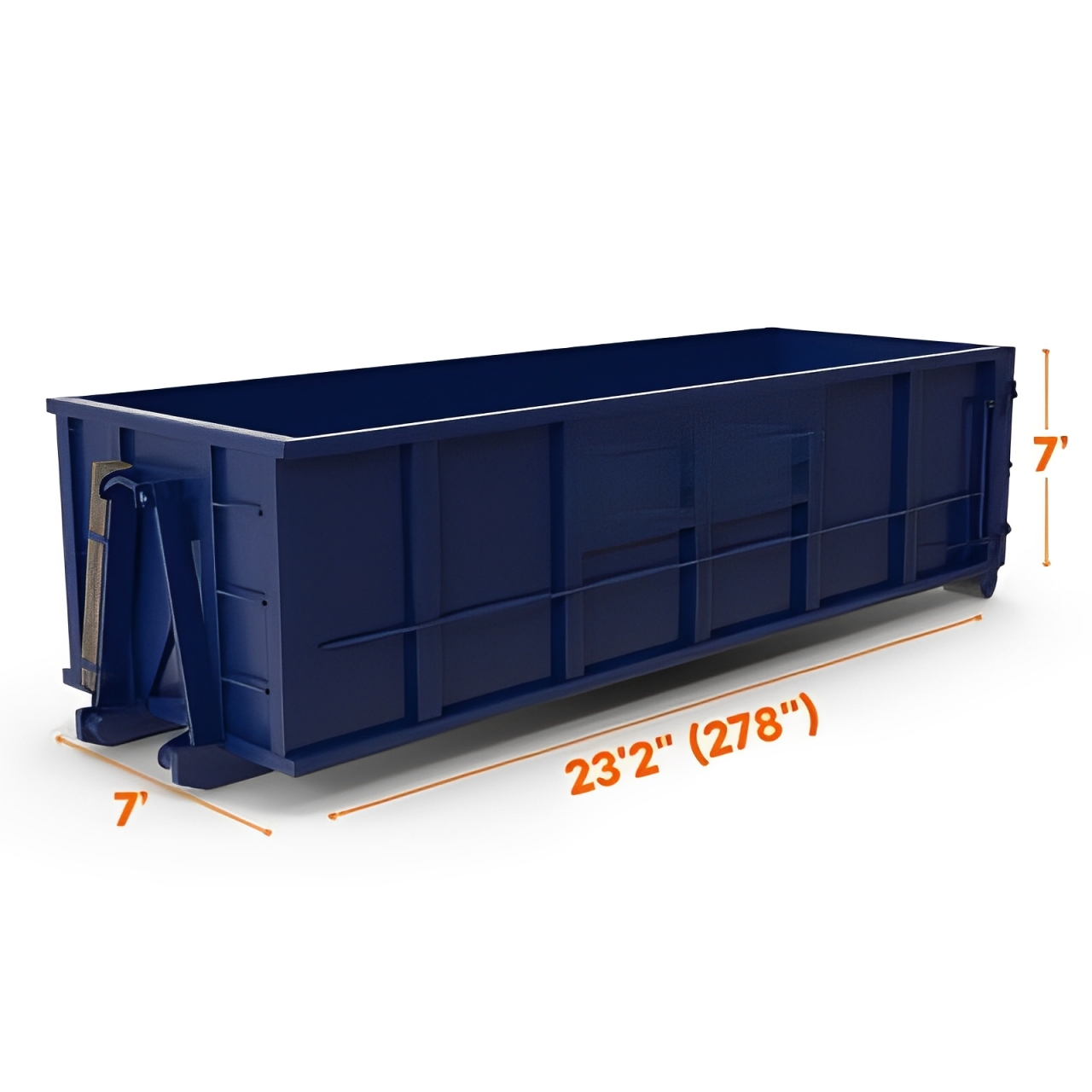
Large, open-top waste containers ideal for construction debris, home renovations, and cleanouts. We offer sizes ranging from 16-yard to 40-yard dumpsters to fit any project’s needs, ensuring easy, efficient disposal at your site.
We Proudly Serve
Standard Portable Toilets
Our Standard Portable Toilets offer reliable sanitation solutions across Tennessee, featuring easy booking, delivery, and setup.
High Rise Portable Toilets
Our High Rise Portable Toilets provide secure and convenient restroom solutions for elevated job sites.
Restroom Trailers
Luxurious Restroom Trailers in Greeneville deliver premium sanitation solutions for weddings and upscale events.
Roll off Dumpsters
Efficient Roll-off Dumpsters in Greeneville for all waste management needs, ensuring cleanliness and convenience.
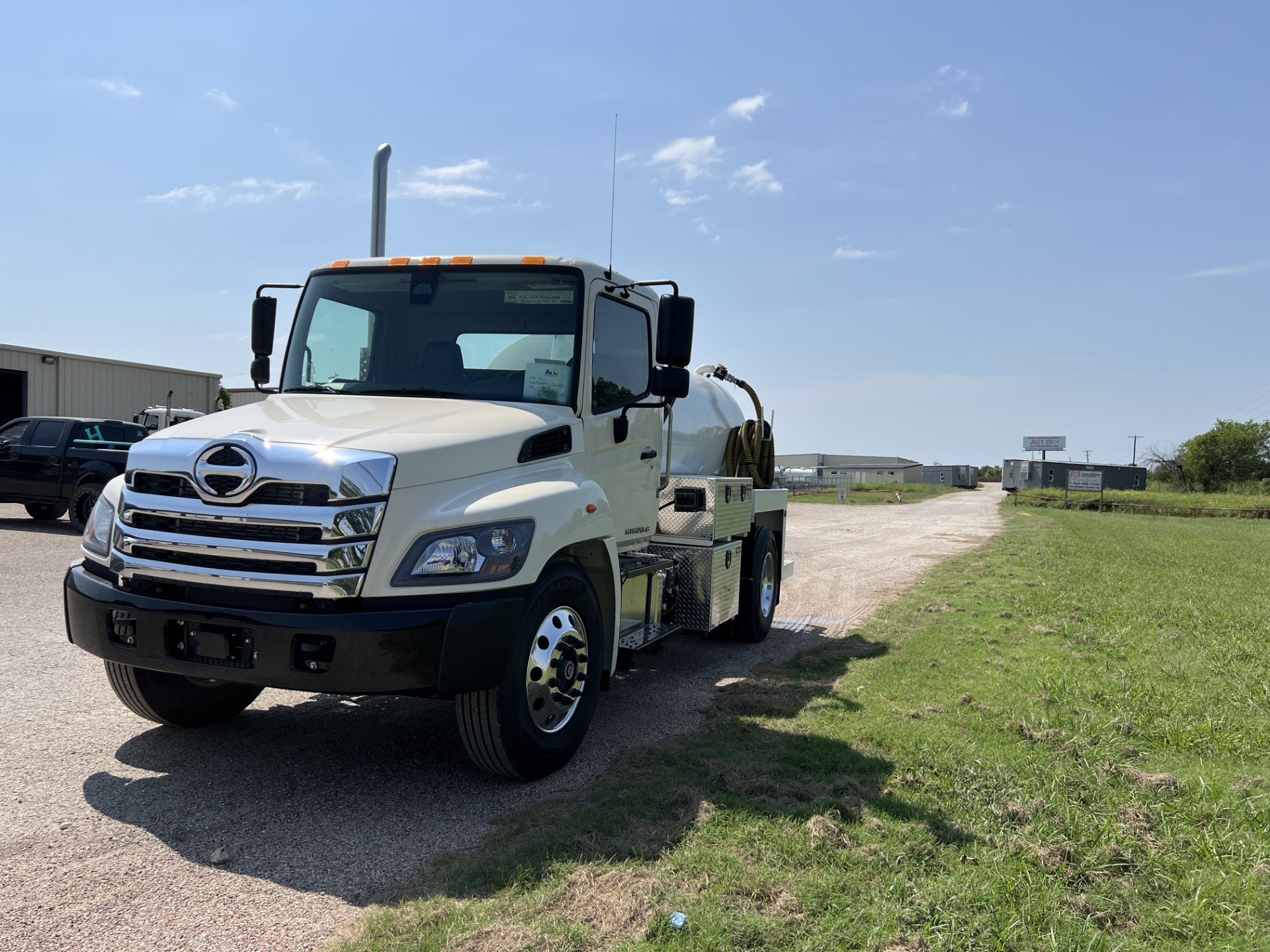
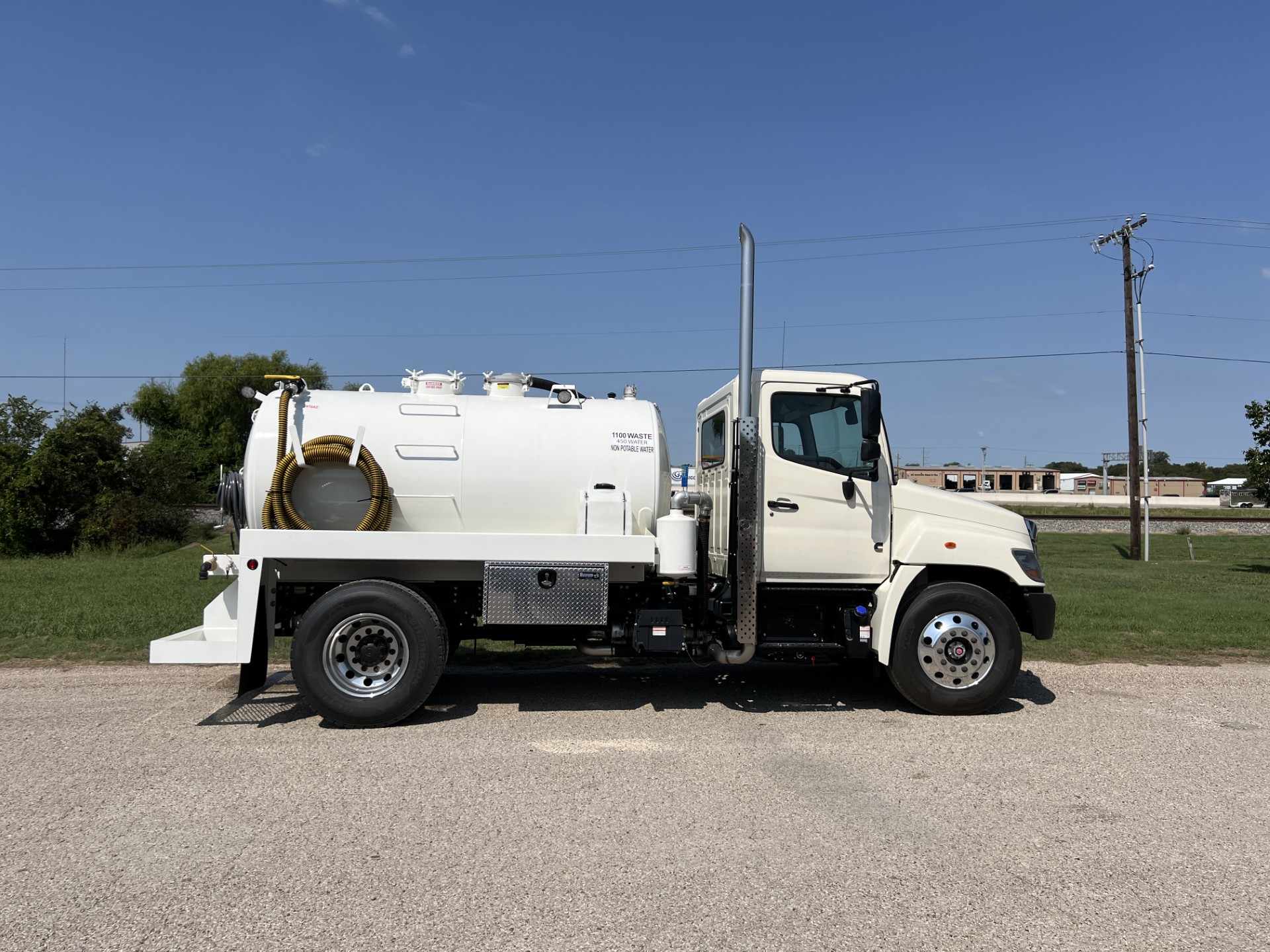
Septic Tank Cleaning
Dependable Septic Tank Cleaning services in Tennessee to maintain system efficiency and longevity.
Grease Trap Cleaning
Professional Grease Trap Cleaning in Greeneville ensures optimal function and environmental compliance.
Fencing & Barricades
Reliable Fencing & Barricades services provide secure perimeter protection and crowd control for any project in Tennessee.
Residential Storage
Versatile Residential Storage solutions in Greeneville to accommodate your personal storage needs.
Greeneville Sanitation and Septic Services
At MC Septic, getting a quote and arranging for delivery of septic services is a seamless and convenient process. Our user-friendly website allows you to request a quote with just a few clicks. Simply fill out your basic information, including your name, phone number, and email, and submit it through our online forms—for quick assistance, you can also utilize the 'Get A Quote' buttons strategically placed throughout our pages. Our responsive team swiftly handles these requests, providing detailed quotes tailored to your specific requirements. Once confirmed, we ensure a hassle-free delivery process, guaranteeing that our equipment arrives on time and in perfect condition. Our streamlined operations are designed to accommodate the schedule of any event, from intimate gatherings to large-scale festivals, ensuring a seamless integration of our services. Our commitment to efficiency and customer satisfaction ensures every step of the process, from initial inquiry to delivery, is smooth and straightforward, providing peace of mind and reliable support.
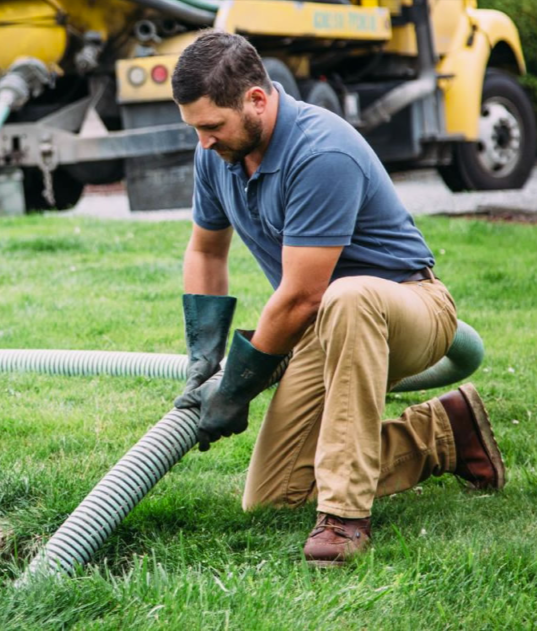
Greeneville, Tennessee, offers a unique charm combined with a community spirit that's perfectly complemented by MC Septic's reliable and convenient services. Our septic solutions are ideal for local outdoor attractions and commercial events, ensuring a clean and comfortable environment for guests. From weddings nestled in the scenic beauty of Greeneville to large festivals like the annual Greene County Fair, our services enhance each occasion. As a locally owned business, we understand the importance of supporting community events and providing dependable services that you can rely on. Our wide array of septic options, including portable restrooms and tank pumping, cater to both event organizers and residents, ensuring seamless integration into any setting. Whether it's the vibrant celebrations at the Andrew Johnson National Historic Site or a serene country gathering, our sanitation solutions are designed to meet every need with efficiency and care. With a commitment to maintaining Greeneville's natural beauty and charm, our team is dedicated to offering not only high-quality services but also a reputation for reliability that assures peace of mind for all our clients. Trust MC Septic to enhance your event with sanitation solutions that meet the highest standards of quality and convenience.
When it comes to septic services in Greeneville, MC Septic stands out as the preferred choice for quality and reliability. Our extensive experience and local expertise make us uniquely suited to address the needs of the community, ensuring that each service is provided with the utmost attention to detail. From cleaning and pumping to providing high-end portable restroom options, our vast array of services guarantees satisfaction for both residential and commercial needs.Our local roots empower us to understand the distinct challenges and demands of Greeneville's diverse landscape. Whether you're planning an intimate family reunion or hosting a large public gathering, our dedicated team is committed to offering personalized solutions that prioritize both efficiency and environmental care.By choosing MC Septic, you're not just opting for stellar customer service; you're investing in a clean, stress-free, and effective sanitation solution that supports the local community. Our innovative approaches and unwavering dedication ensure that your projects are completed seamlessly, maintaining Greeneville's reputation for hospitality and charm.Trust MC Septic to provide the necessary expertise and quality service that stands apart from the rest, assuring every event and project is executed with precision and care.
MC Septic is renowned for providing prompt and reliable septic services that cater to every need in the Greeneville area. Understanding the imperative nature of these services, our team is committed to quick service calls and rapid solutions, ensuring that client expectations for speed and quality are always exceeded.Our proactive approach means that when you reach out for our services, you'll experience minimal wait times, achieving the results you need efficiently. Our fleet of service vehicles and dedicated workforce ensures that every project is attended to without delay, optimizing system functionalities swiftly and effectively. Whether it's an emergency septic service or a scheduled maintenance call, we prioritize getting to our clients as soon as possible, guaranteeing peace of mind with each appointment. Our emphasis on rapid response and flexible scheduling recognizes the demands on our clients' time, making us the preferred option for septic services in and around Greeneville.At MC Septic, we're here to meet your needs promptly and efficiently, ensuring your septic systems are kept in top condition with minimal disruption, reflecting our commitment to customer satisfaction and community support.
Greeneville Septic: Discover Our Services
Renting a septic unit in Greeneville with MC Septic is an uncomplicated process, designed to accommodate our clients' diverse needs efficiently. Begin by visiting our website, where you will find forms situated at both the top and bottom of the page, conveniently labeled 'Get A Quote.' By clicking these, you will access an easy-to-navigate form requesting essential information, including your first name, last name, phone number, and email. Once submitted, our dedicated team will promptly handle your request, ensuring a swift response with detailed service options tailored to your specifications.Should you prefer direct communication, our phone lines are also open for inquiries. A simple call will connect you with our team, ready to guide you through the selection and booking process, making sure you understand every service feature before making your choice. Additionally, our website provides a wealth of information and resources, so feel free to explore your options and educate yourself on what each service entails. Our goal is to present a seamless, user-centric rental experience, from inquiry to delivery.With MC Septic, you have access to an array of options suited for various applications, whether residential or commercial. We pride ourselves on transparent, upfront pricing, ensuring you are informed of all costs from the onset without the risk of unexpected fees. Whether you are planning for a large event or need routine services, our efficient and comprehensive process guarantees satisfaction and peace of mind with every rental.Ultimately, choosing MC Septic means choosing a partner that's committed to hassle-free service delivery and a customer-first philosophy. We look forward to meeting your sanitation needs in Greeneville and providing you with an unparalleled service experience.
The typical delivery timeframe for septic orders through MC Septic is designed to be as accommodating and efficient as possible, ensuring our clients receive their requirements promptly. Upon receiving your order, our priority is to confirm all service details, addressing any specific needs or timing preferences you may have communicated. This initial step allows us to tailor our delivery strategy effectively, ensuring your satisfaction and service reliability.Once your order is confirmed, we aim to complete the delivery within 24 to 48 hours, depending on factors like product availability, location, and service complexity. This timeframe ensures that both basic service requests and more intricate setups are handled with the same level of diligence and care. In cases of urgent need or emergency services, we make every effort to expedite the process, leveraging our robust logistical network to accommodate your schedule.Our approach is designed to be responsive and flexible, recognizing the varying demands of different clients and scenarios. We offer regular updates throughout the delivery process, ensuring that you are informed about the status of your order at each stage. In addition to standard operating hours, our team is readily available to answer any questions or address concerns that may arise during this period, prioritizing your peace of mind.Ultimately, MC Septic is committed to maintaining high standards of punctuality and reliability, reflecting our broader dedication to superior service in all areas of operation. Trust us to deliver not only within a competitive timeframe but with the professionalism and thoroughness you expect from experts in the septic services industry.
Yes, at MC Septic, we are equipped to service all kinds of events and construction services with unmatched expertise. Whether you're hosting festivals, sporting events, weddings, corporate gatherings, or family reunions, we have you covered with comprehensive sanitation solutions. We offer luxury restroom trailers, porta-potties, roll-off dumpsters, fencing, barricades, holding tanks, ADA units, and portable sinks and hand sanitizer stations. Our extensive range of options ensures that events of any scale and nature are effectively catered for, with facilities that meet all regulatory and comfort standards. Our portable restrooms and trailers are ideal for maintaining hygiene at venues, providing clean and safe facilities for every guest. With our customer-first focus, we work closely with event planners and site coordinators to tailor solutions to specific logistic and aesthetic requirements.Construction sites also benefit from our durable and reliable sanitation units, including weather-resistant restrooms designed to withstand the rigors of outdoor environments. We recognize the importance of maintaining a clean and efficient worksite, and our rapid, trustworthy service guarantees minimal disruption to construction projects.Our ability to customize services extends to our logistical expertise, ensuring that deliveries and pickups align with your timelines. MC Septic's commitment to quality and customer satisfaction makes us a preferred partner for any type of event or construction need in Greeneville—your assurance of a professional, convenient, and clean sanitation solution.