Septic systems offer several eco-friendly advantages, making them a sustainable option for waste management. They naturally treat sewage, utilizing bacteria to break down waste and returning purified water to the soil, thereby reducing pollution levels. This process replenishes local groundwater supplies and supports the natural aquifer system, ensuring long-term water availability for communities. Septic systems are also energy-efficient as they operate without the need for power-driven machinery, reducing overall energy consumption compared to centralized waste treatment facilities. Furthermore, they contribute to soil health by naturally cycling nutrients back into the environment. In rural or isolated areas, septic systems provide an independent and reliable waste management solution, minimizing the impact on local ecosystems and reducing infrastructure costs. With proper maintenance, they are a long-lasting and effective way to manage sewage, further emphasizing their environmental benefits by reducing the emissions and contaminants typically associated with large-scale sewage processing plants. These factors combined demonstrate the significant role septic systems play in promoting sustainable living and protecting natural resources.

Septic Rentals in Grainger County, Tennessee
Call today for a free quote (423) 740-6901
Septic
Fast, Easy, & 100% Free To Get Started
Over 20 Years of Expertise
For more than 20 years, MC Septic Services has been a cornerstone of reliability in Grainger County. We deliver outstanding sanitation solutions, consistently meeting and surpassing customer expectations through quality service and strong community ties.
Committed to Quality Service
Our promise is to provide quality service that exceeds expectations, ensuring each client receives the utmost care and reliable sanitation solutions tailored to their specific needs.
Prompt Delivery Guaranteed
We pride ourselves on offering quick and efficient delivery for all our septic services. Our well-organized logistics and experienced team ensure that your needs are met without delay, prioritizing customer satisfaction every step of the way.
Dependable Septic Services in Grainger County
Call for a Free Quote Today
(423) 740-6901
At MC Septic Services, we bring dependable and reliable portable sanitation solutions to Grainger County, Tennessee, and the surrounding areas. As a locally owned company, we pride ourselves on our commitment to community values and ensuring high-quality service for our clients. Our comprehensive range of services caters to a variety of events and construction sites, offering clean and well-maintained options for parties, festivals, weddings, and large-scale construction projects. Our team's reliable and timely services guarantee your guests' comfort and convenience, no matter the occasion. With easy online booking and no hidden fees, collaborating with us provides you with a stress-free sanitation solution. Our expertise in the industry ensures peace of mind, knowing professionals are handling your sanitation needs.
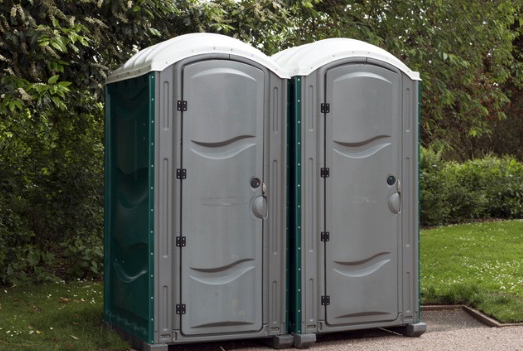
Durable, single-unit restroom with ventilation, an “In-Use” locking mechanism, and a hand sanitizer dispenser. A practical, sanitary solution for construction sites, events, and outdoor gatherings.
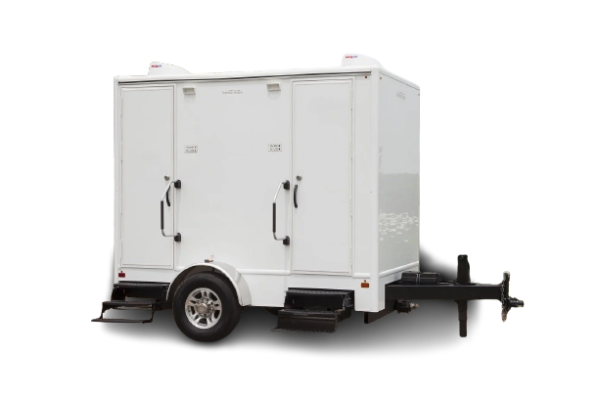
Multi-stall facility featuring flushing toilets, sinks with running water, interior lighting, and climate control. Perfect for weddings, festivals, and VIP events.
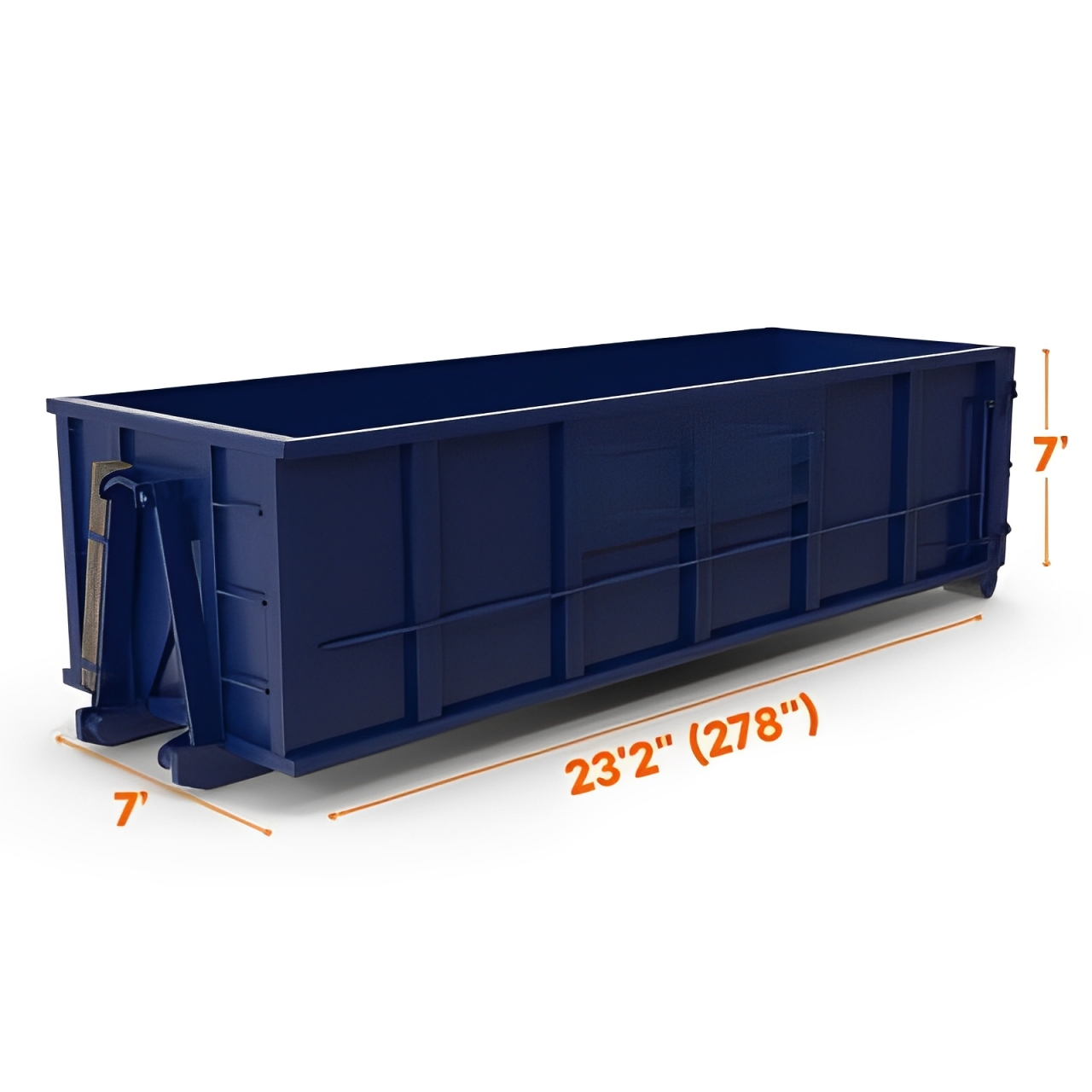
Large, open-top waste containers ideal for construction debris, home renovations, and cleanouts. We offer sizes ranging from 16-yard to 40-yard dumpsters to fit any project’s needs, ensuring easy, efficient disposal at your site.
We Proudly Serve
Standard Portable Toilets
Standard Portable Toilets provide reliable and clean restrooms for short-term events across Tennessee.
High Rise Portable Toilets
High Rise Portable Toilets deliver convenient sanitation solutions tailored for urban projects in Grainger County.
Restroom Trailers
Restroom Trailers offer upscale amenities suitable for any formal event in Grainger County.
Roll off Dumpsters
Roll Off Dumpsters provide flexible waste management for any project size in Grainger County.
Septic Tank Cleaning
Septic Tank Cleaning ensures comprehensive maintenance to prevent backups and maintain system functionality.
Grease Trap Cleaning
Grease Trap Cleaning services in Grainger County maintain your traps to prevent clogs and foul odors.
Fencing & Barricades
Fencing & Barricades offer safety and boundary solutions for events and construction across Tennessee.
Residential Storage
Residential Storage solutions protect household items safely and efficiently within Grainger County.
Grainger County Sanitation Solutions
When it comes to securing a quote and arranging delivery for septic services in Grainger County, MC Septic Services makes the process smooth and straightforward. Our website provides all the required forms at the top and bottom of each page, effortlessly guiding you through the booking process. Simply fill in your contact details such as first name, last name, phone number, and email, and click the Get A Quote buttons conveniently positioned throughout our site. Once submitted, our dedicated team promptly reviews your request and provides you with a tailored quote that caters to your specific needs without any hidden fees. We understand that time is of the essence, and our seamless booking experience reflects that, ensuring our clients spend less time on logistics and more time focusing on their projects and events. Delivery is scheduled to fit your timeline, whether you require our services for construction sites or celebratory events like festivals and weddings. We believe in efficient and hassle-free interactions, supportive of our reputation as a dependable company devoted to customer satisfaction. For immediate concerns or queries, our customer service team remains readily accessible, ensuring all aspects of your sanitary needs are addressed thoroughly and effectively. Experience the ease and professionalism of working with us and join the many clients in Grainger County who trust MC Septic Services for reliable and convenient sanitation solutions.

Grainger County is renowned for its welcoming community, beautiful landscapes, and vibrant local events, such as the celebrated Grainger County Tomato Festival. At MC Septic Services, we align our offerings with the unique charm of this region, ensuring that our services enhance and complement any occasion. Whether you're planning a large-scale outdoor event near Cherokee Lake or need support for a community festival, our septic solutions promise to deliver clean and reliable sanitation to keep your guests comfortable. Our services merge seamlessly with Grainger County's outdoor attractions, making us the preferred choice for local organizers. We prioritize convenience and reliability, delivering portable restrooms and sanitation services that uphold the standards of quality our community expects. Our team's dedication ensures that residents and event-goers alike experience the best of what Grainger County has to offer, coupled with the peace of mind that comes from using the top local septic service provider.
In Grainger County, MC Septic Services distinguishes itself as the leading choice for septic solutions through our steadfast dedication to excellence. Our integration with community values and reliable delivery of superior services position us as a dependable local partner for events and construction sites. Over the years, we have cultivated an in-depth understanding of the area's unique needs, tailoring our offerings to address them effectively. Our commitment goes beyond merely providing services; it involves nurturing relationships with our clients, ensuring their events and projects succeed. By selecting us, you partner with a company that truly values the community and strives to uphold a reputation for trustworthiness and exceptional service.
MC Septic Services provides fast and dependable septic solutions for our valued clients in Grainger County. We understand the critical need for timely service and the vital role it plays in smooth operations. Our team stands out in prompt transportation, efficient setup, and meticulous maintenance, ensuring your events or projects proceed without disruption. We handle urgent requests expertly, thanks to our streamlined processes and a dedicated team that prioritizes efficiency. This commitment not only allows us to meet deadlines but often surpass client expectations. Our reliability and professionalism make MC Septic the trusted choice for efficient septic services in the region.
Grainger County: Learn More About Our Septic Services
Renting a septic system in Grainger County is a simple process with MC Septic Services. Our user-friendly website features forms at both the top and bottom of each page that guide you through the necessary steps. You are required to enter your first name, last name, phone number, and email to initiate the request. Additionally, our site is equipped with multiple Get A Quote buttons that you can click to receive detailed information tailored to your specific needs. Once submitted, our dedicated team carefully assesses your requirements and promptly provides a custom quote, ensuring you receive transparent pricing without hidden fees. We understand the importance of convenience, which is why our system is designed to save you time and effort, allowing you to focus on planning your event or project. For any immediate questions or assistance, our professional customer service representatives are readily available to help. Experience the ease and efficiency of partnering with MC Septic Services for all your septic rental needs in Grainger County.
The typical delivery timeframe for septic orders from MC Septic Services in Grainger County is designed to be both fast and reliable, accommodating the time-sensitive nature of our clients' needs. Once you initiate an order, our team coordinates quickly, often delivering within 24 to 48 hours depending on the scale and requirements of the project. For urgent or last-minute requests, we strive to prioritize and expedite service to ensure minimal disruption to your plans. Our efficient logistics and dedicated staff work hand-in-hand to manage and meet deadlines consistently. We aim to provide you with accurate timelines upon order confirmation, keeping you informed every step of the way. This proactive approach ensures that your events or construction projects proceed smoothly. In addition to our standard delivery services, we offer flexible scheduling options to best fit into your timeline, reinforcing our commitment to customer satisfaction.
Yes, MC Septic Services can accommodate any type of event or construction project, providing comprehensive solutions tailored to your specific needs. Whether it's a large-scale festival, a corporate event, or a more personal occasion like a wedding or family reunion, we have the equipment and expertise to support it. Our offerings include luxury restroom trailers, standard porta potties, roll-off dumpsters, fencing and barricades, holding tanks, ADA-compliant units, and portable sinks and hand sanitizer stations. This extensive range of services allows us to meet diverse demands, ensuring that guests and participants experience convenience and comfort. Additionally, our customizable packages mean you receive exactly what you need without unnecessary extras, optimizing both efficiency and cost. MC Septic Services' dedication to excellence and client satisfaction ensures your event or project is executed seamlessly, leaving a positive impression on all who attend.