Septic systems offer several eco-friendly advantages, particularly in reducing pollution and conserving water. By processing wastewater on-site, these systems minimize the environmental impact often associated with transporting sewage to treatment plants. This local processing significantly lowers emissions and energy usage, aligning with sustainable practices. Additionally, septic systems naturally filter wastewater through soil absorption, ensuring harmful bacteria and nutrients are effectively removed or neutralized before reaching groundwater. This reduces the risk of contamination and promotes healthier ecosystems. Water conservation is another eco-friendly benefit of septic systems. Unlike centralized systems that may lead to overuse, septic systems encourage homeowners to be mindful of their water usage. Employing efficient water appliances and regular inspections also aids in optimizing system performance and prolonging the life of the system, ultimately lowering costs and reducing environmental footprints. Furthermore, septic systems are adaptable to varying climate conditions and geographic areas, which makes them versatile across different environments without causing undue harm. Their resilience and reliance on natural filtering create long-term sustainability without necessitating intensive infrastructure or energy-dependent processing facilities. Through these benefits, septic systems play a vital role in promoting environmental stewardship and enhancing local water management strategies.

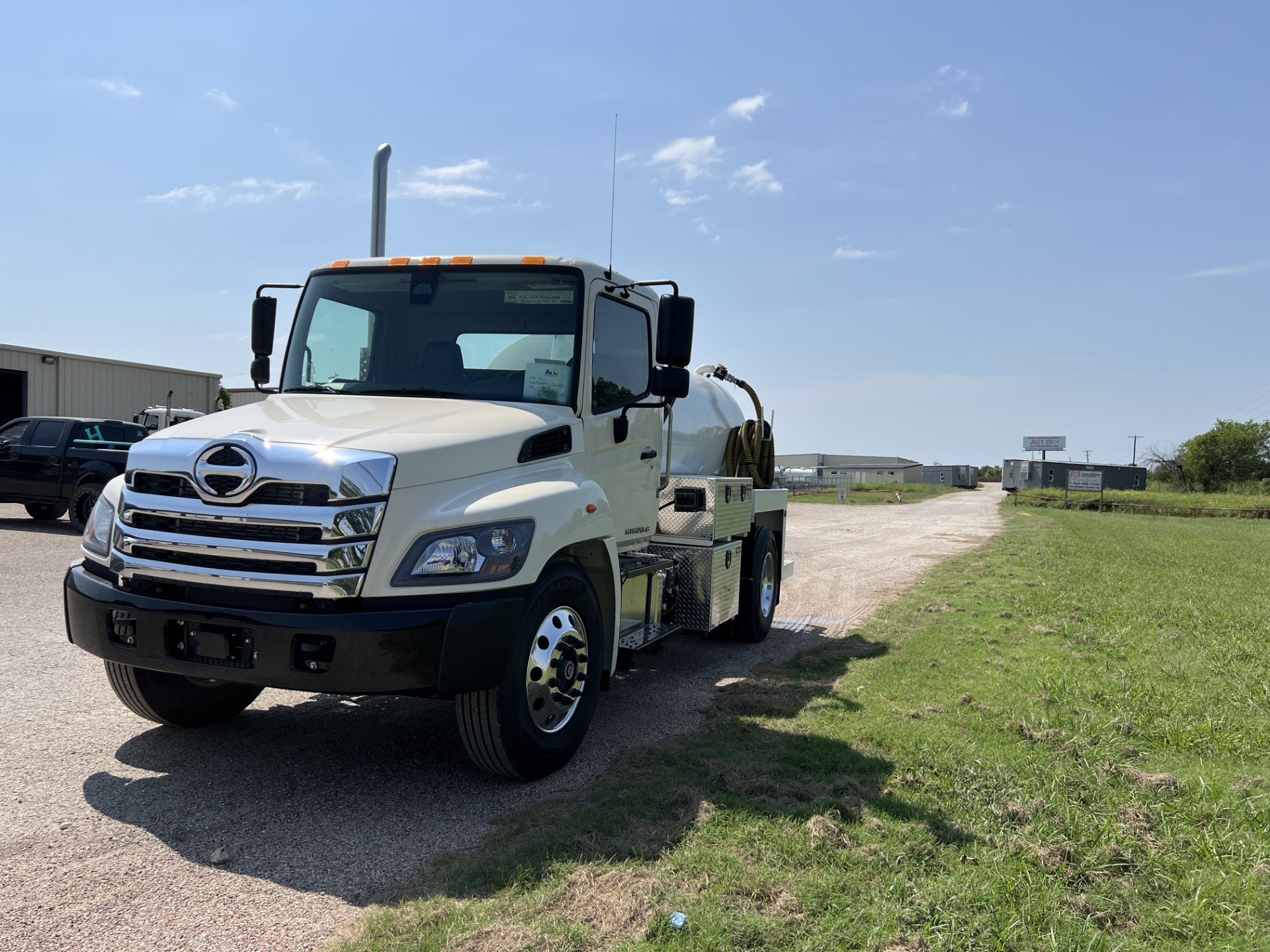
Septic Rentals in Church Hill, Tennessee
Call today for a free quote (423) 740-6901
Septic
Fast, Easy, & 100% Free To Get Started
Over 20 Years Of Experience
With over 20 years of experience, MC Septic is a trusted name in Church Hill for delivering high-quality septic services. Our deep community roots and relentless commitment to quality have earned us a reputation for excellence and reliability.
Commitment to Quality
At MC Septic, quality is at the heart of what we do. We ensure that all our services meet the highest standards, providing you with clean and efficient solutions for any occasion.
Fast and Efficient Delivery
MC Septic prides itself on quick and efficient delivery services, ensuring your sanitation needs are addressed with minimal disruption. We guarantee timely delivery and removal of our units, making your experience seamless and stress-free.
Reliable Septic Solutions in Church Hill
Call for a Free Quote Today
(423) 740-6901
MC Septic, established in Church Hill, Tennessee, stands as a trustworthy, locally owned business dedicated to superior service. We deliver dependable septic solutions for occasions like construction sites, parties, festivals, and weddings. Our experienced professionals attend to your septic requirements with precision and care. Proudly serving Church Hill and nearby areas, we prioritize exceptional service while nurturing our community connections. Rely on MC Septic for all your sanitation necessities and witness the impact of local expertise.
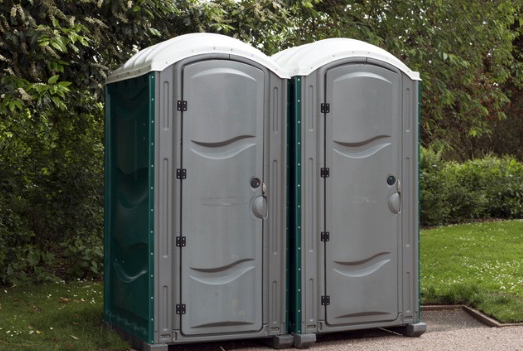
Durable, single-unit restroom with ventilation, an “In-Use” locking mechanism, and a hand sanitizer dispenser. A practical, sanitary solution for construction sites, events, and outdoor gatherings.
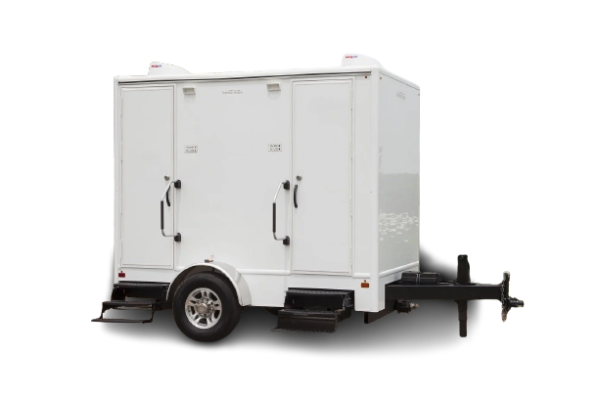
Multi-stall facility featuring flushing toilets, sinks with running water, interior lighting, and climate control. Perfect for weddings, festivals, and VIP events.
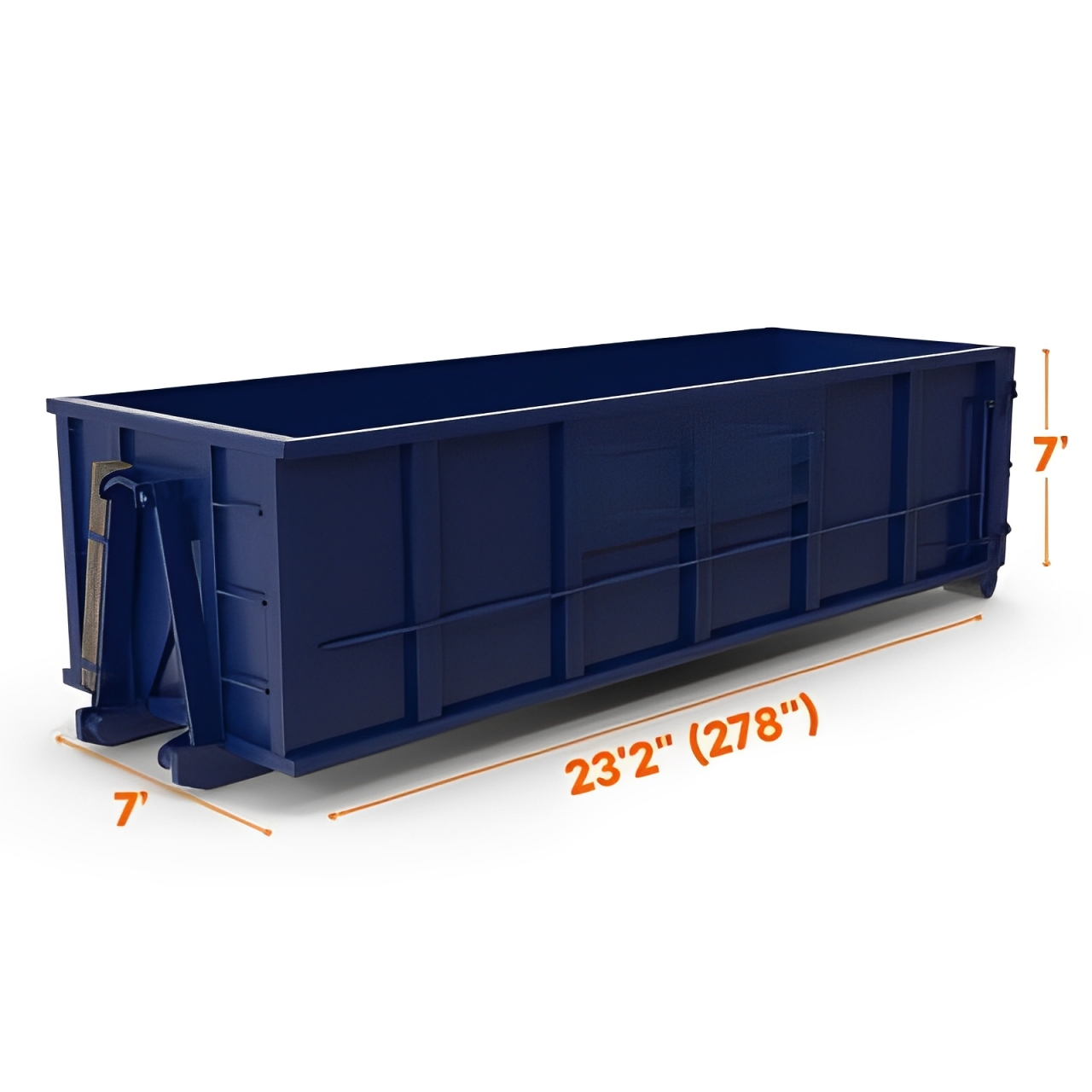
Large, open-top waste containers ideal for construction debris, home renovations, and cleanouts. We offer sizes ranging from 16-yard to 40-yard dumpsters to fit any project’s needs, ensuring easy, efficient disposal at your site.
We Proudly Serve
Standard Portable Toilets
Standard Portable Toilets by MC Septic provide reliable sanitation solutions tailored for any event or construction site in Tennessee.
High Rise Portable Toilets
Our High Rise Portable Toilets offer innovative sanitation solutions for events and projects in Church Hill, Tennessee.
Restroom Trailers
MC Septic's Restroom Trailers ensure comfort and luxury for events in Church Hill with features like stalls, running water, and climate control.
Roll off Dumpsters
MC Septic provides Roll Off Dumpsters in Church Hill, offering efficient waste management solutions for projects of all sizes.
Septic Tank Cleaning
Septic Tank Cleaning with MC Septic in Tennessee prevents system failures through expert removal of solids and sludge.
Grease Trap Cleaning
Our Grease Trap Cleaning service in Church Hill ensures clean, efficient operation of your kitchen by removing buildup effectively.
Fencing & Barricades
MC Septic's Fencing & Barricades services in Tennessee provide secure and customizable safety solutions ideal for events and constructions.
Residential Storage
MC Septic offers secure Residential Storage services in Church Hill, safeguarding your belongings with dependable and local expertise.
Church Hill Sanitation Solutions
Getting a quote and scheduling delivery for your septic needs has never been easier. Visit our website and click on the 'Get A Quote' buttons strategically placed throughout the page. You'll be prompted to fill out a simple form asking for your first name, last name, phone number, and email. Once submitted, you can expect a comprehensive quote catered to your specific requirements. Our streamlined process ensures that you receive the information you need quickly, allowing you to plan your event or project without any stress. After receiving your quote, our team will work closely with you to determine the best delivery schedule based on your needs and location. Our reliable delivery service guarantees that your septic components arrive timely and are set up efficiently. Whether it's a small family gathering or a large-scale festival, MC Septic is committed to providing top-tier service and customer satisfaction every step of the way.
Nestled in the quaint town of Church Hill, home to the annual Clinch River Days Festival, MC Septic takes pride in offering sanitation solutions that reflect the local charm and beauty of the area. Our services cater to the needs of locals and visitors alike, enhancing events with reliable and convenient septic options. From community festivals like the celebrated Strawberry Festival to nature-focused gatherings, Church Hill offers a variety of outdoor attractions ideal for any occasion. Our clean, dependable services ensure that your event's sanitary needs are met, providing peace of mind and comfort for all your guests. At MC Septic, we understand the importance of maintaining Church Hill's natural allure. Our services are not only efficient but also environmentally conscious, aligning with the values of our community. Choose MC Septic for a seamless service experience that supports the local atmosphere.
Commitment to Community and Quality MC Septic has become the leading provider of sanitation solutions in Church Hill because of our unwavering dedication to community and superior service. Our team, deeply connected to local values, delivers personalized attention that consistently achieves outstanding outcomes for each client. We deliver an extensive array of services to elevate any event type. By selecting MC Septic, you choose a partner in tune with the distinctive needs of Church Hill. Discover why our loyal customers consistently opt for our dependable, affordable, and top-tier septic services.
Rapid Response and Reliability At MC Septic, our clients experience the speed and reliability necessary for both urgent and scheduled sanitation needs. Our skilled team ensures seamless operations, managing each step from setup to cleanup. Renowned for punctuality, our commitment to efficiency permeates every service facet. Trust MC Septic to deliver dependable septic solutions, ensuring the smooth operation of your event or project.
Church Hill Septic Insights
Renting a septic system in Church Hill with MC Septic is made simple through our user-friendly online forms. Begin by navigating to our website where you'll find 'Get A Quote' buttons located conveniently at the top and bottom of every page. Clicking these will guide you to a form requiring some basic information, including your first name, last name, phone number, and email address. This streamlined process is designed for your ease, ensuring you can quickly obtain a detailed quote. Submitting this form signals our team to promptly assess your needs and contact you with an accurate proposal tailored to your event or project. Our responsive customer service team is committed to guiding you throughout the process, answering any queries you may have and assisting you in selecting the ideal units for your occasion. Once you're satisfied with your options, our team will efficiently coordinate the scheduling of delivery, ensuring that your event runs smoothly. Whether you require portable toilets, luxury restroom trailers, or roll-off dumpsters, MC Septic promises a seamless rental experience, focusing on reliability and customer satisfaction from start to finish. This dedication to service excellence makes us the preferred choice for your septic rental needs in Church Hill.
At MC Septic, our typical delivery timeframe for septic orders is designed to accommodate the diverse needs of our clients with precision and timeliness. Once your order is placed, our team diligently works to prepare your selected units, ensuring they meet our high-quality standards. For standard orders, our delivery timeframe ranges between 24 to 48 hours, reflecting our commitment to providing efficient and dependable service. For urgent requests or specialized events, we offer expedited delivery services to meet tighter schedules. Our team collaborates closely with you to prioritize your needs, placing a strong emphasis on flexibility and adaptability. The diverse range of units we offer, including portable toilets, restroom trailers, and waste management systems, can be seamlessly integrated into any event timetable. Communication is key at MC Septic, ensuring that you're always informed about the progress of your delivery. Our dedicated customer service team is available to address any scheduling concerns and confirm the expected timeline for delivery. This approach guarantees a hassle-free experience, with your satisfaction being our top priority. Whether your requirement is large or small, MC Septic ensures efficient delivery that aligns with your specific needs.
MC Septic is fully equipped to service various events and construction sites with precision and expertise. We offer a diverse array of services to meet different needs, from festivals and sporting events to weddings, corporate gatherings, and family reunions. Our luxury restroom trailers, porta potties, roll-off dumpsters, fencing, barricades, holding tanks, ADA units, portable sinks, and hand sanitizer stations ensure all your event needs are covered. Our dedicated team expertly adapts services to the unique demands of each occasion, providing clean, accessible, and efficient solutions. Our customizable options allow us to tailor our approach to meet your specific requirements, enhancing the guest experience. On construction sites, our sturdy portable restrooms and dumpsters excel in tough conditions, ensuring worker comfort and effective waste management. By choosing MC Septic, you opt for reliable, comprehensive service focused on quality and customer satisfaction.