Using septic systems provides numerous eco-friendly advantages, making them an excellent choice for sustainable waste management. Septic systems are self-contained and treat wastewater naturally on-site, reducing the reliance on extensive sewage infrastructure and minimizing the environmental footprint. By treating water locally, septic systems reduce the amount of energy needed to transport sewage over long distances, significantly lowering the carbon footprint associated with traditional city sewage treatment plants. Unlike centralized sewage systems, septic systems promote the natural filtration of wastewater through soil layers, effectively removing pollutants and preventing groundwater contamination. This natural filtration process also helps to replenish local groundwater supplies, promoting healthier ecosystems and supporting biodiversity. Additionally, properly maintained septic systems can help conserve water. The effluent from septic systems re-enters the ground, promoting the natural recycling of wastewater. This groundwater recharge process supports local flora and fauna and maintains stream flows, particularly during dry seasons. Finally, the use of septic systems minimizes the risk of sewage spills and reduces the likelihood of waterborne disease outbreaks, protecting community health and contributing to a cleaner environment. By embracing septic systems, communities can foster more sustainable and eco-friendly waste management practices while promoting health and environmental protection.

Septic Rentals in Chuckey, Tennessee
Call today for a free quote (423) 740-6901
Septic
Fast, Easy, & 100% Free To Get Started
Over 20 Years of Experience
For over 20 years, MC Septic Services has been a trusted partner in Chuckey, offering top-tier septic solutions. Our unwavering commitment to quality and customer satisfaction makes us the premier choice in the community.
Committed to Quality
MC Septic Services delivers superior quality in every offering, ensuring dependable sanitation solutions throughout Chuckey. Our meticulous approach guarantees that every service aspect aligns with the highest standards, underscoring our unwavering commitment to providing the best for our community.
Prompt and Efficient Delivery
At MC Septic, rapid delivery is a cornerstone of our service, ensuring your project isn't delayed. Our dedicated team works tirelessly to provide fast, reliable septic solutions to meet your schedule requirements.
Reliable Septic Solutions in Chuckey
Call for a Free Quote Today
(423) 740-6901
MC Septic stands as your reliable partner for all septic and sanitation requirements in Chuckey, Tennessee, as well as nearby areas like Greeneville and Jonesborough. Our locally owned and operated company delivers dependable services, always prioritizing our customers with superior reliability and affordability. Whether organizing a large festival, planning a wedding, managing a construction site, or hosting a private party, our septic services ensure your event runs smoothly and efficiently. We take pride in being a community cornerstone, offering top-notch sanitation solutions and consistently high customer satisfaction. Our team's understanding of the local landscape gives us a distinct advantage in serving you better with every project. Trust in our reputation for tailored solutions, developed over years of delivering outstanding service to our neighbors. Join the many satisfied clients who have chosen MC Septic for their sanitation service needs.
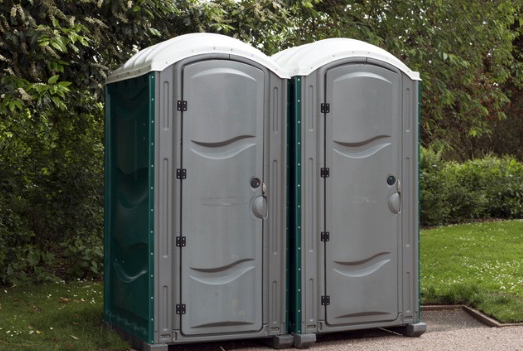
Durable, single-unit restroom with ventilation, an “In-Use” locking mechanism, and a hand sanitizer dispenser. A practical, sanitary solution for construction sites, events, and outdoor gatherings.
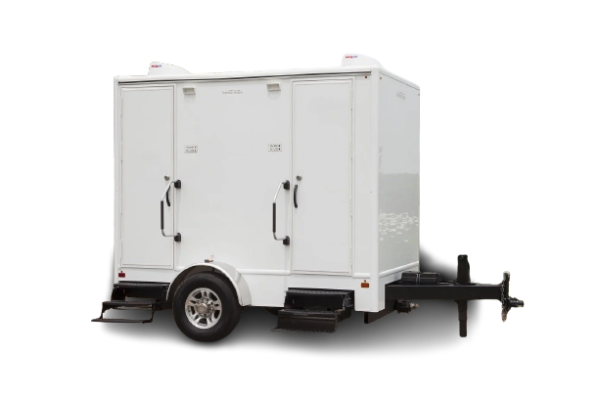
Multi-stall facility featuring flushing toilets, sinks with running water, interior lighting, and climate control. Perfect for weddings, festivals, and VIP events.
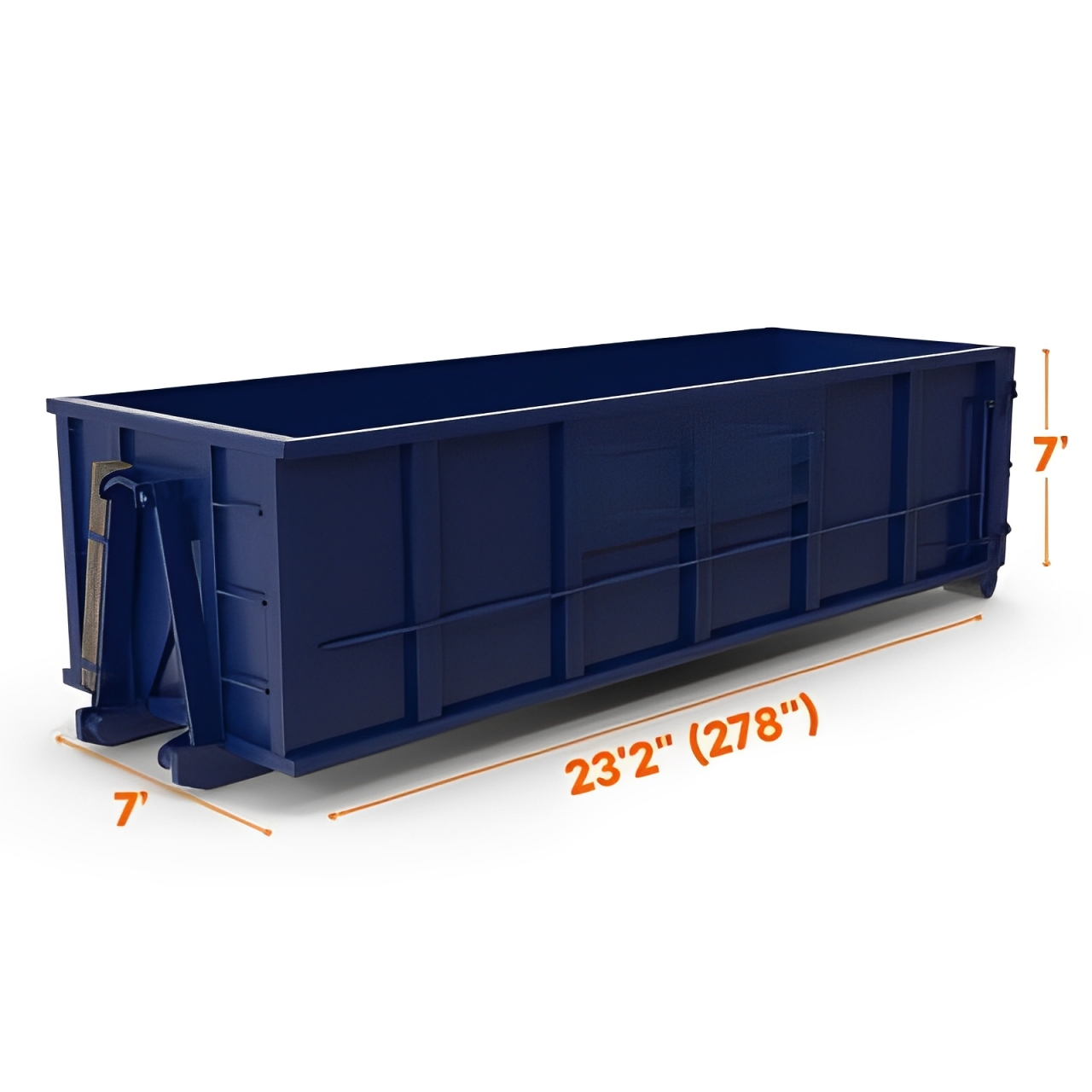
Large, open-top waste containers ideal for construction debris, home renovations, and cleanouts. We offer sizes ranging from 16-yard to 40-yard dumpsters to fit any project’s needs, ensuring easy, efficient disposal at your site.
We Proudly Serve
Standard Portable Toilets
Our standard portable toilets are the ideal solution for any event or job site in Tennessee, offering clean and reliable convenience.
High Rise Portable Toilets
High-rise portable toilets provide efficient solutions tailored to suit the unique demands of construction projects in Chuckey.
Restroom Trailers
Luxurious restroom trailers from MC Septic in Chuckey offer premium amenities for upscale events and gatherings.
Roll off Dumpsters
Roll-off dumpsters from MC Septic offer dependable waste management solutions for Chuckey's diverse projects.
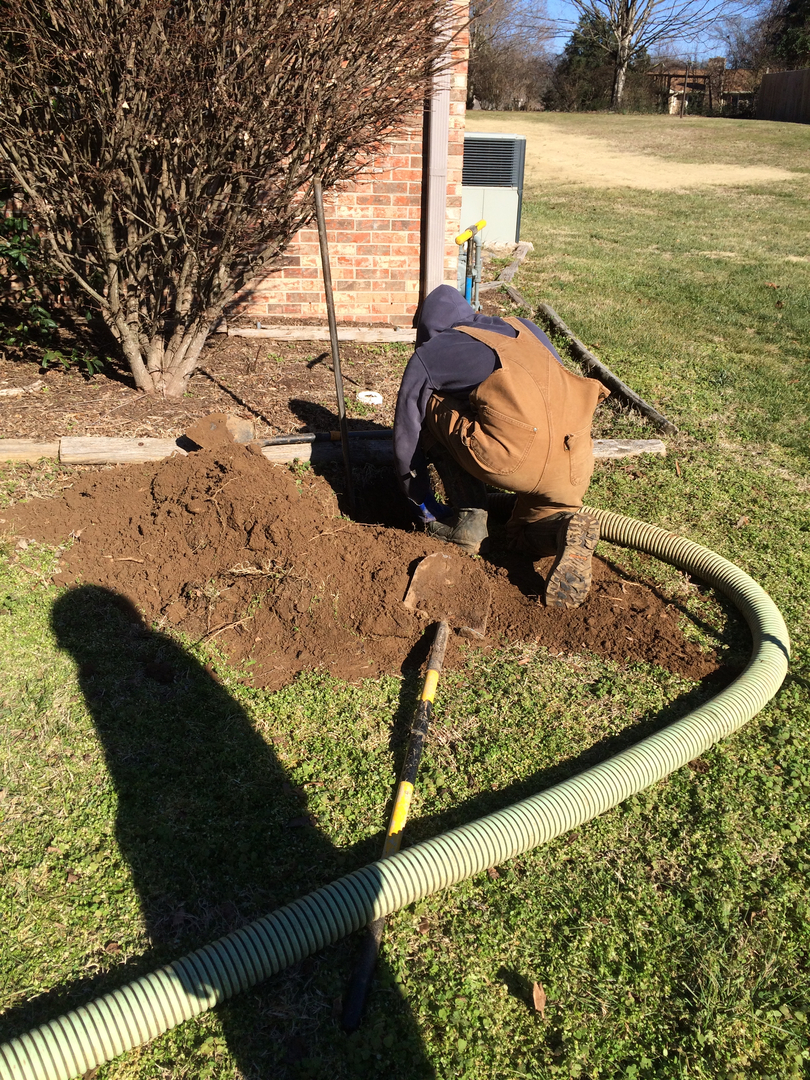
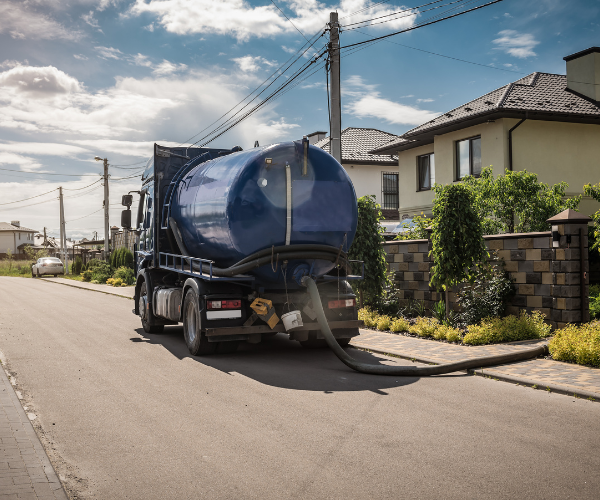
Septic Tank Cleaning
At MC Septic, our septic tank cleaning service in Tennessee ensures your system remains efficient and trouble-free.
Grease Trap Cleaning
MC Septic offers grease trap cleaning services to maintain efficiency in Chuckey's commercial kitchens.
Fencing & Barricades
We provide secure and sturdy fencing & barricades for added safety and privacy at any project site in Tennessee.
Residential Storage
Our residential storage options in Chuckey offer safe and affordable solutions for storing personal items with ease.
Chuckey Sanitation Services
Getting a quote and delivery for septic services in Chuckey has never been easier. Our streamlined process is designed with your convenience in mind, allowing you to focus on what truly matters. Simply visit our website, and with just a few clicks, you can fill out a form with your contact details, including your first name, last name, phone number, and email address. Our user-friendly forms are conveniently located at the top and bottom of the page, alongside 'Get A Quote' buttons scattered throughout. Once you've submitted your information, our dedicated team will promptly provide you with a competitive quote tailored to your specific needs. We pride ourselves on our fast response times, ensuring you always receive the information you need without unnecessary delays. After obtaining a quote, you can swiftly schedule delivery that fits your timeline, with all logistics coordinated to deliver efficient and reliable service. Whether you're arranging septic services for a construction site, a large outdoor event, or a private gathering, our team is committed to offering you the best possible experience. Count on MC Septic in Chuckey for dependable, hassle-free septic services that cater to your unique requirements. Throughout the process, our customer service specialists are available to answer any questions and provide assistance, ensuring your experience with us is as smooth as possible.
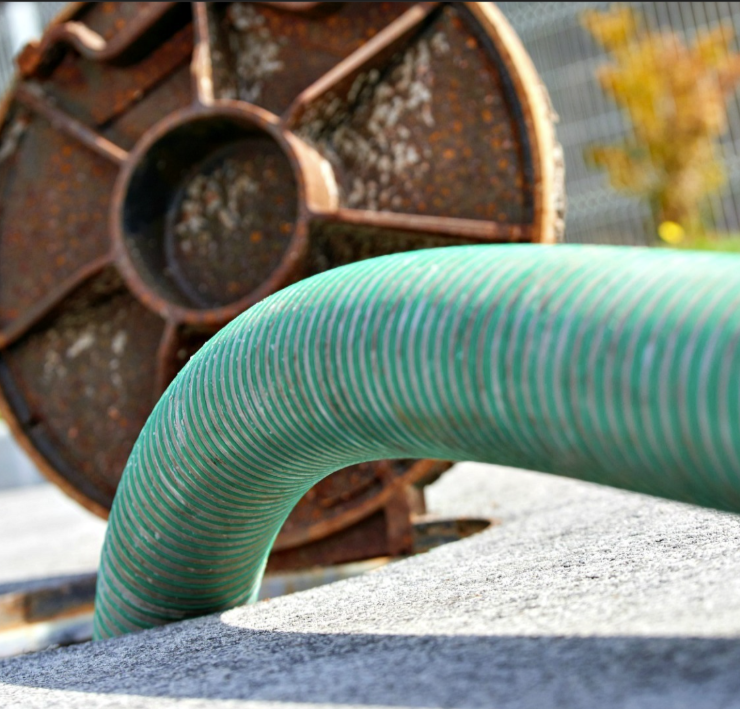
Chuckey's natural beauty and tight-knit community are the backdrop for every event we support at MC Septic, especially during beloved annual happenings like the Appalachian Fair. Our services extend beyond the essentials, providing cleanliness and reliability that form the foundation of any successful gathering. As visitors and locals explore the serene trails of Davy Crockett Birthplace State Park or engage in community-driven events, our septic services ensure these experiences are enhanced with comfort and convenience. Whether hosting a family reunion at a scenic park or coordinating a local festival, our septic solutions cater to all needs, offering portable toilets, luxury restroom trailers, and more. Each unit is maintained to the highest standards, providing a sanitary and pleasant experience for all attendees. With MC Septic, you gain more than just a service provider; you establish a partnership with a team dedicated to supporting Chuckey's community spirit. Choosing MC Septic means opting for quality that complements Chuckey's unique local charm, bringing practical benefits to events across the area. From portable toilets that blend seamlessly into any setting to restrooms equipped with modern amenities, our offerings enhance the appeal of Chuckey's events, ensuring that both organizers and guests can focus on making lasting memories.
MC Septic stands out as Chuckey's top choice by consistently delivering superior services tailored to local needs.Our long-standing presence and deep community ties mean we understand the unique characteristics of the area, enabling us to offer unparalleled solutions that cater specifically to Chuckey's diverse events and environments. Trust in our years of dedicated service, which is reflected in our commitment to quality and customer satisfaction.Our team is passionate about providing exceptional support, from initial contact to conception to completion. Each step is designed to ensure your septic needs are met with the utmost professionalism and care.With MC Septic, quality is guaranteed, and local charm and convenience are always a part of your experience.
Our reputation for quick, reliable septic services in Chuckey ensures you never face unnecessary delays.Every service request is treated with urgency and precision, underscoring our commitment to supporting your project timelines and event schedules efficiently.With MC Septic, you'll experience fast response times and a system optimized to provide prompt service delivery to both residential and commercial clients. Our dedicated team remains available to assist with any inquiries and facilitate smooth coordination of service.Trust us to deliver on time, every time, maintaining the high standards that have earned us a trusted name in Chuckey and beyond.
Learn More About Septic in Chuckey
Renting septic services in Chuckey is a straightforward and convenient process designed to make your logistics hassle-free. To start, simply locate the 'Get A Quote' buttons that are strategically placed throughout our web pages, or scroll to the top or bottom to find our easy-to-use forms. When you fill out the form, you'll need to provide essential information including your first name, last name, phone number, and email address. This allows us to understand your requirements and tailor a quote accordingly. Once submitted, a knowledgeable member of our team will reach out to discuss your specific needs and provide guidance on the best septic service options available to you. Our comprehensive quote outlines everything you need to know, from services included to pricing structures, ensuring transparency every step of the way. After reviewing and agreeing to the quote, you can schedule the delivery and setup at a convenient time. We pride ourselves on prompt and reliable service, ensuring that once arrangements are made, all systems will be delivered and installed as per plan. Our job doesn't end with just the setup; our team will ensure that everything is functioning optimally throughout your rental period and assist with any questions or concerns you might have. Trust MC Septic to provide seamless service that meets your timeline and surpasses expectations.
When you place an order for septic services with MC Septic, you can expect a typical delivery timeframe that prioritizes both speed and reliability. Once your order is confirmed, our streamlined processes ensure your septic equipment is prepared for delivery quickly to meet your specific schedule. Depending on the size and complexity of the order, typical delivery can range from next-day to several days, but always within a timeframe that aligns with your event or project deadlines. Our team is dedicated to coordinating delivery logistics efficiently, minimizing wait times, and ensuring equipment arrives in pristine working condition. Committed to meeting your schedule, we offer flexibility to address any last-minute changes, adapting swiftly to provide the best possible service. Communication is key, and our team will keep you informed throughout the process about your delivery status and any other pertinent details. By choosing MC Septic, you are guaranteed not only timely delivery but also an outstanding service experience that reflects our high standards and dedication to client satisfaction.
Yes, MC Septic is fully equipped to service a wide array of events and construction services, enhancing your operations with comprehensive sanitation solutions. We cater to all types of gatherings, including local festivals, sporting events, grand weddings, corporate events, family reunions, and any other specialized functions you might plan. Our inventory includes everything from luxury restroom trailers perfect for upscale events, to practical porta potties suited for high-capacity uses. To accompany them, we offer roll-off dumpsters, ADA-accessible units, portable sinks, hand sanitizer stations, and more. Our fencing and barricades provide added security and privacy for construction sites, while our holding tanks offer additional capacity for longer-term projects. Whether you're organizing a large public event or a small private gathering, our dedicated team will work closely with you to ensure every detail is covered. We embrace the diversity of functions, no matter how unique, bringing our extensive experience and reliable service to make sure your needs are met with ease and professionalism. Choose MC Septic for quality service tailored to any occasion, knowing that our commitment to excellence is at the core of everything we do.