Septic systems offer numerous eco-friendly benefits, making them an increasingly sought-after choice for sustainable waste management. One of the significant advantages is their ability to filter and treat wastewater naturally, which helps replenish groundwater supplies while utilizing minimal chemicals. Unlike municipal systems that can release treated water back into water bodies, septic systems in rural and semi-rural settings return treated effluent directly into the leach field, allowing it to percolate back into the ground. This method not only reduces the environmental impact but also enhances soil quality around the drain field by adding essential moisture and nutrients.Furthermore, septic systems promote water conservation, as they often encourage users to be mindful of their water usage to maintain the system's balance. This results in a lower overall demand for water, providing substantial conservation benefits. Another ecological advantage is the self-contained nature of septic systems. By handling both solid and liquid waste on-site, they decrease the risk of large-scale pollution incidents that can occur with centralized sewage systems when they fail.Most septic tank users adopt regular maintenance schedules, which further aids in pollution prevention. By ensuring that sludge and scum layers are appropriately managed, and by pumping out their tank regularly, users prevent harmful pathogens and pollutants from infiltrating the surrounding environment. Additionally, the materials used in modern septic systems, such as polyethylene or fiberglass tanks, are highly durable and eco-friendly, reducing the need for resource-consuming replacements.Septic systems also encourage the local ecosystem's diversity by integrating wastewater treatment into the landscape without disturbing natural habitats significantly. Homes and businesses that opt for septic systems are often in harmony with their surroundings, supporting biodiversity while minimizing infrastructure's aesthetic and ecological footprint. This sustainable design allows users to meet their waste disposal needs while actively contributing to environmental health. In summary, septic systems offer a reliable and green solution to waste management through groundwater recharge, water conservation, pollution prevention, and minimal ecological disruption.


Septic Rentals in Bristol, Tennessee
Call today for a free quote (423) 740-6901
Septic
Fast, Easy, & 100% Free To Get Started
Over 20 Years of Experience
MC Septic Services has over 20 years of experience, deeply entrenched in the Bristol community. We consistently commit to delivering high-quality services, ensuring customer satisfaction at every step.
Quality You Can Rely On
Our dedication to quality service means every septic solution is delivered with precision and care. We guarantee satisfaction and reliability, offering unparalleled customer experiences in Bristol.
Fast, Efficient Deliveries
MC Septic Services ensures quick delivery, promptly bringing you our septic solutions when needed. Our service prioritizes efficiency and reliability every step of the way.
Dependable Septic Solutions in Bristol, Tennessee
Call for a Free Quote Today
(423) 740-6901
MC Septic Services stands as a pillar of reliability and professionalism in the Bristol community, offering top-notch septic solutions. As a locally owned enterprise, our intimate understanding of the area allows us to cater to residential and commercial clients in Bristol and nearby locations with meticulous attention. With dependability as our cornerstone, we excel in providing clean, robust units suitable for construction sites, festivals, weddings, and parties. Our clients benefit from a seamless experience characterized by high-quality service and local expertise. Whether handling a large festival or a small family gathering, MC Septic ensures every sanitation need is addressed with precision and care.

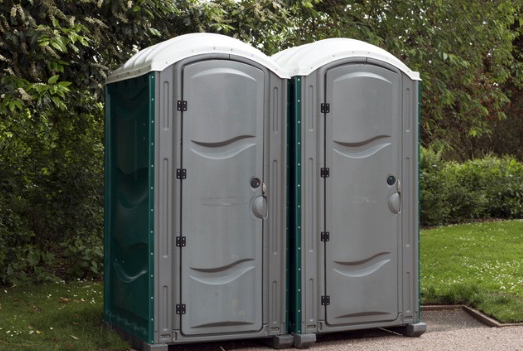
Durable, single-unit restroom with ventilation, an “In-Use” locking mechanism, and a hand sanitizer dispenser. A practical, sanitary solution for construction sites, events, and outdoor gatherings.
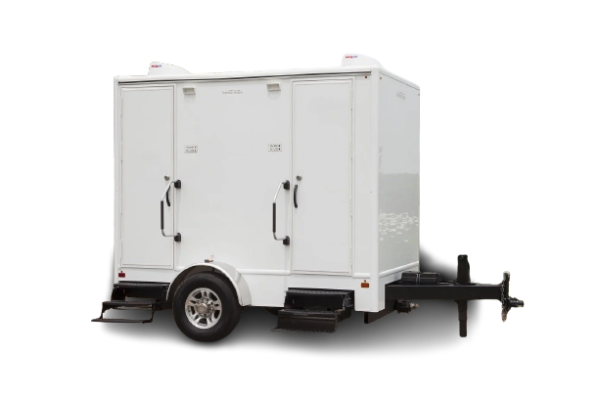
Multi-stall facility featuring flushing toilets, sinks with running water, interior lighting, and climate control. Perfect for weddings, festivals, and VIP events.
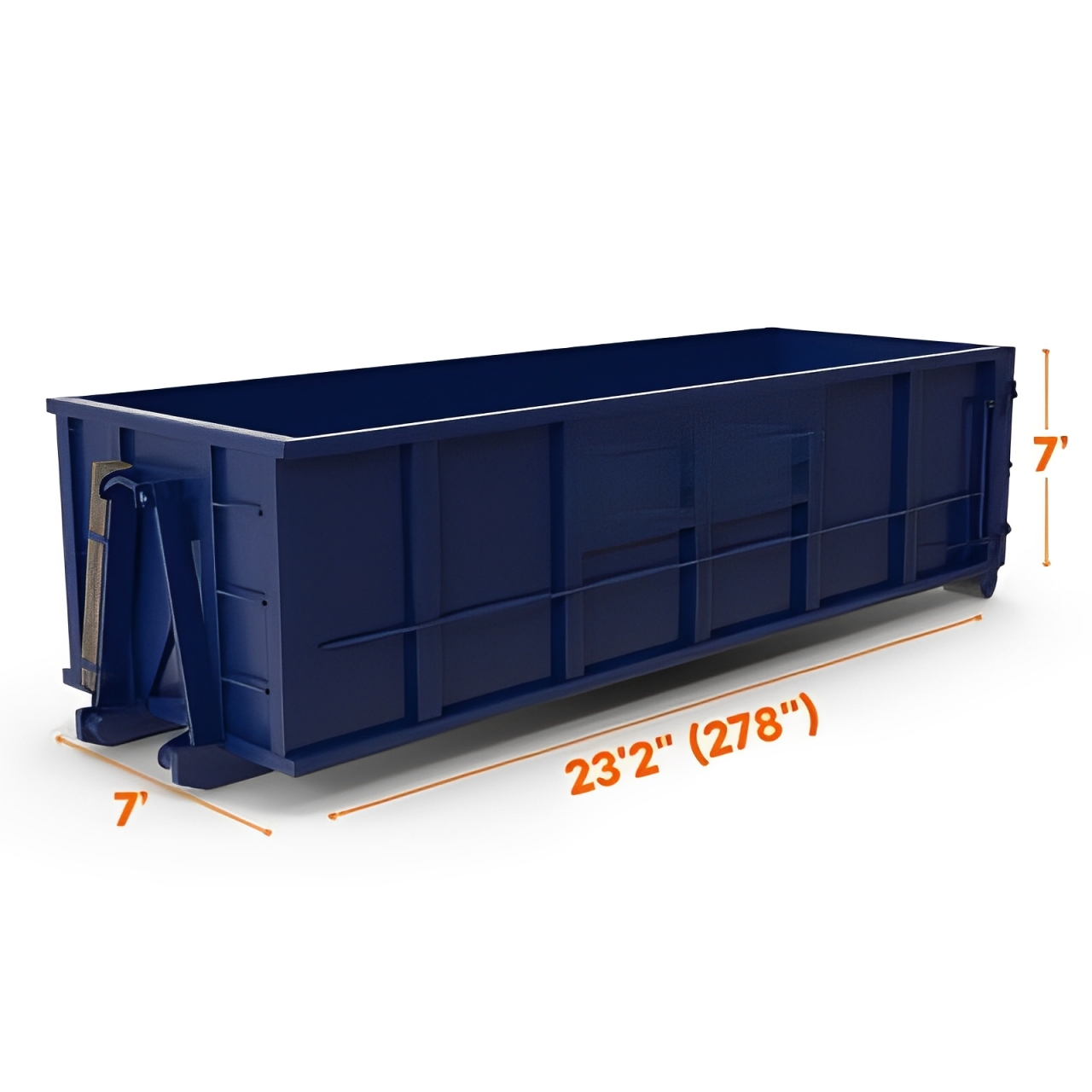
Large, open-top waste containers ideal for construction debris, home renovations, and cleanouts. We offer sizes ranging from 16-yard to 40-yard dumpsters to fit any project’s needs, ensuring easy, efficient disposal at your site.
We Proudly Serve
Standard Portable Toilets
Standard Portable Toilets provide clean, convenient facilities for any need in Tennessee.
High Rise Portable Toilets
High Rise Portable Toilets ensure sanitary solutions at elevated construction projects in Bristol.
Restroom Trailers
Restroom Trailers offer luxurious and comfortable facilities for events in Bristol.
Roll off Dumpsters
Roll off Dumpsters provide efficient waste management solutions throughout Bristol.
Septic Tank Cleaning
Septic Tank Cleaning maintains systems effectively to prevent issues across Tennessee.
Grease Trap Cleaning
Grease Trap Cleaning in Bristol ensures smooth operations for food service establishments.
Fencing & Barricades
Fencing & Barricades offer secure boundaries for events or constructions across Tennessee.
Residential Storage
Residential Storage solutions provide secure options for storing belongings in Bristol.
Bristol Septic Services and More
Obtaining a quote and arranging delivery for septic services in Bristol has never been easier. At MC Septic, we pride ourselves on a user-friendly experience, streamlined through our website and customer service team. Prospective clients can simply fill out our online forms available at key points on our site, ensuring ease of access whether you're browsing from a desktop or mobile device. Our 'Get A Quote' buttons are strategically embedded throughout our pages, directing you to a simple form where you'll provide basic contact information, including your first name, last name, phone number, and email. This accessible process ensures that getting a price quote is not only straightforward but designed to accommodate your busy schedule. Once your request is submitted, our team promptly reviews your information, guaranteeing a swift response time. This promptness reflects our commitment to customer satisfaction and efficiency. Every quote we provide is clear and comprehensive, with no hidden fees, thus allowing our clients to make informed decisions with ease. In addition, our experienced team is always on hand to address any questions or specify details about the septic options that best fit your needs. Whether it's for a large-scale event or a personalized project, we ensure that every interaction is smooth, providing a trustworthy gateway to top-notch septic solutions in Bristol.
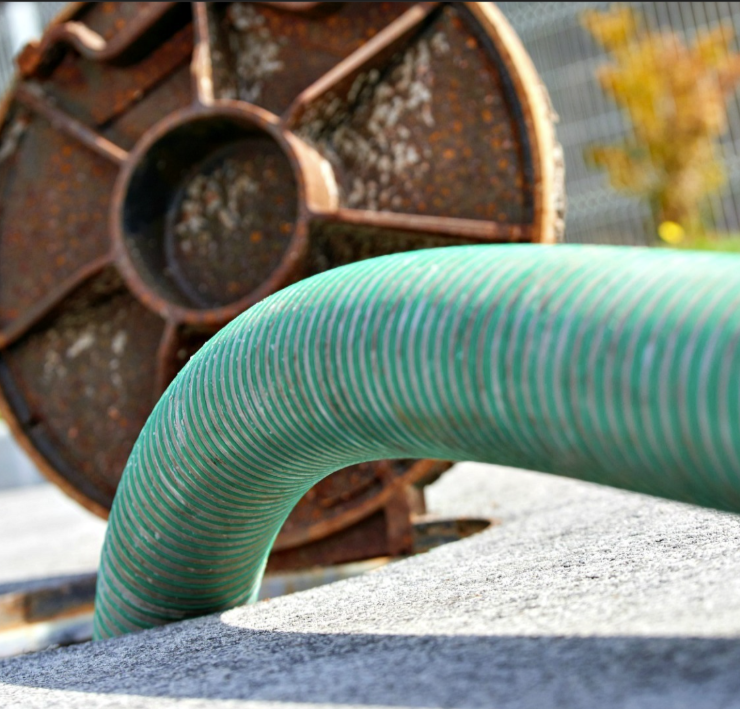
Bristol, nestled in the scenic landscapes of Tennessee, is a community rich with events and festivities that draw residents and visitors alike. Known for hosting the annual Rhythm & Roots Reunion, a lively celebration that fills the streets with music and joy, Bristol thrives on its vibrant culture. At MC Septic, we understand the unique charm and opportunities this locale offers. Our septic services complement the outdoor attractions, community gatherings, and natural settings that define Bristol's appeal, ensuring sanitation solutions are as reliable as they are essential. What sets our services apart is their tailored fit to the rhythms of Bristol life. Whether supporting vibrant festivals like the Rhythm & Roots Reunion or serene family reunions, our offerings are designed to enhance any occasion without detracting from the natural beauty of the surroundings. By choosing MC Septic, clients ensure their events run smoothly, with reliable sanitation solutions backed by local expertise. Our units are meticulously maintained, offering guests the comfort and hygiene they expect. It's this attention to detail and local understanding that makes our septic services the trusted choice in Bristol for any event, big or small.
MC Septic stands out as the premier choice for septic services in Bristol, offering unparalleled quality and reliability. Our deep-rooted ties to the community mean we understand the local landscape, enabling us to deliver services that perfectly fit the needs of Bristol's residents and businesses. Our extensive experience, spanning over two decades, underscores our commitment to excellence and customer satisfaction. We focus on providing a seamless service that prioritizes hygiene, efficiency, and convenience. Clients can rest easy knowing that our solutions are not only top-tier but also backed by a team dedicated to enhancing their overall experience. MC Septic's dedication to excellence is evident in our high customer retention, with many clients choosing us repeatedly for their sanitation needs. Our reputation as a trusted provider stems from consistent service delivery and an unwavering commitment to quality. Whether it's for a large public event or a quiet residential gathering, our septic solutions are designed to meet the highest standards, ensuring that we remain the best choice for septic services in Bristol.
MC Septic stands for fast and reliable septic services throughout Bristol, ensuring clients access timely and efficient solutions when they need them most. Our operational excellence arises from a skilled, well-coordinated team that prioritizes quick responses without sacrificing quality. With cutting-edge logistics, we manage deliveries and services adeptly, catering to every client need with both speed and precision. Whether handling a last-minute event or a planned project, MC Septic's dedication to efficient service minimizes disruptions and maximizes satisfaction. This unique combination of reliability and speed distinguishes us as leaders in septic services, providing clients with peace of mind and a trustworthy service partner. Our strong infrastructure and experienced team ensure we never keep a client waiting—our services arrive punctually, every time, reinforcing our reputation as a dependable choice for all septic needs in the Bristol area.
Discover More About Our Septic Services in Bristol
Renting a septic system in Bristol, Tennessee, is straightforward and efficient, ensuring a hassle-free experience for all clients. Prospective renters can navigate to our user-friendly website where multiple options to begin the rental process are prominently displayed. One can simply click on 'Get A Quote' buttons strategically located across the web pages, streamlining the journey towards securing a septic solution that fits their specific needs.Our online form, accessible at the top and bottom of the page, guides users through a simple data entry process. Potential renters are required to fill out basic information, such as their first name, last name, phone number, and email address. This uncomplicated form ensures that we're able to provide a personalized quote that adequately reflects the client's requirements.MC Septic Services prides itself on rapid response times. Once the form is filled and submitted, our team efficiently reviews the details provided to generate an accurate and fair quote. This process guarantees not only clarity in pricing but also transparency, as our clients are never surprised by hidden fees or additional charges.Throughout this process, our dedicated customer service team remains available to help with any questions or additional requests. Clients can expect tailored service that meets their specific event or project demands, with timely communication every step of the way. Because of our thorough approach, the transition from inquiry to rental is remarkably swift, allowing you to focus on other critical aspects of your planning.Thus, with MC Septic Services, renting septic systems in Bristol is not only convenient but also a user-friendly experience carefully crafted to enhance client satisfaction and service reliability. Choose us for a straightforward and transparent journey, ensuring your satisfaction every step of the way.
The delivery timeframe for septic orders is a critical factor for our valued clients, and at MC Septic, we strive to provide a reliable, timely service that meets diverse scheduling needs. Generally, once a quote is accepted and all arrangements are finalized, our delivery times are structured to accommodate client timelines, drawing on our efficient logistic capabilities.The initial step in receiving a delivery estimate is to submit a request through our easy-to-navigate online platforms, ensuring all necessary details are included, such as the delivery location, specific services needed, and event or project timelines. This information is crucial for our scheduling department to align resource availability with client expectations effectively.Ordinarily, septic units can be delivered within 48 hours, with standard service areas such as Bristol enjoying particularly swift services due to our locally stationed operational fleets. As the logistics team coordinates closely with our clients, we can assure delivery that aligns perfectly with the setup and usage timeline provided by the customer.Moreover, our flexible scheduling options offer added convenience for unexpected projects or events that require last-minute arrangements, which our team readily accommodates when possible. This ability to adapt is a cornerstone of our service, ensuring we contribute partners achieving their sanitation objectives without delay.Transparency in our service timelines is maintained throughout the process, from initial inquiry through delivery, with regular updates via email or direct contact. This proactive communication ensures peace of mind, reassuring our clients that MC Septic's services will arrive when and where they are needed. Undoubtedly, our dedication to timely delivery is a defining feature that underscores our position as leaders in the septic service industry.
Yes, MC Septic is equipped to service a wide variety of events and construction sites, ensuring comprehensive solutions for any occasion. Our extensive range incorporates everything from grand festivals and lively sporting events to intimate weddings and large corporate gatherings. We proudly offer an array of services that cater to diverse sanitation needs with precision and care.Our product line includes luxury restroom trailers providing comfort and quality for upscale events and porta potties that serve practical needs efficiently. We support construction sites with roll-off dumpsters, fencing, and barricades, ensuring safety and functionality from start to finish. Additionally, our ADA units and portable sinks guarantee accessibility and hygiene regardless of the setting.With MC Septic, event organizers can expect customization options tailored to their specific requirements, ensuring that every event runs smoothly with necessary sanitation facilities in place. Our ability to seamlessly integrate into any environment makes us a go-to option for event planners and site managers alike.Our team is dedicated to offering swift, reliable service that adapts to the unique demands of each occasion. We work closely with our clients to ensure delivery and setup are executed with minimal disruption. Exploring MC Septic's extensive offerings guarantees exceptional service characterized by flexibility and professional excellence.Ultimately, when choosing MC Septic, clients receive not only the infrastructure necessary but also a dedicated partner that supports event success through superior service and industry expertise. As your trusted choice in Bristol, we underscore our commitment to achieving your goals.