Septic systems have several eco-friendly benefits, promoting sustainable land use and reducing the environmental footprint of waste management. These self-contained systems naturally treat wastewater onsite, significantly lowering the demand on centralized sewage infrastructures. By doing so, septic systems lessen the energy and chemical usage usually associated with large-scale treatment facilities. Additionally, they help recharge groundwater supplies through percolation, revitalizing natural water tables and supporting the local ecology.In regions like Black Mountain, where environmental preservation is vital, septic systems contribute to maintaining the natural landscape. They are designed to process and neutralize domestic wastewater through biological processes, reducing potential pollutants before they reach the surrounding environment. This is crucial for protecting the community's waterways and natural habitats.Septic systems are also cost-effective over the long term, demanding less maintenance and operational expenses compared to centralized systems. Regular upkeep such as pumping and inspection ensures these systems remain efficient and reliable—coinciding with eco-conscious living. The use of biodegradable and environmentally safe cleaning products further optimizes their performance, reducing chemical disruptions to local ecosystems.The adaptability of septic systems suits various property types and sizes, reinforcing the notion that sustainable wastewater management is accessible to more households. With the right installation and maintenance practices, septic systems significantly contribute to reducing the overall environmental impact of human activities while promoting a healthier interaction with nature.

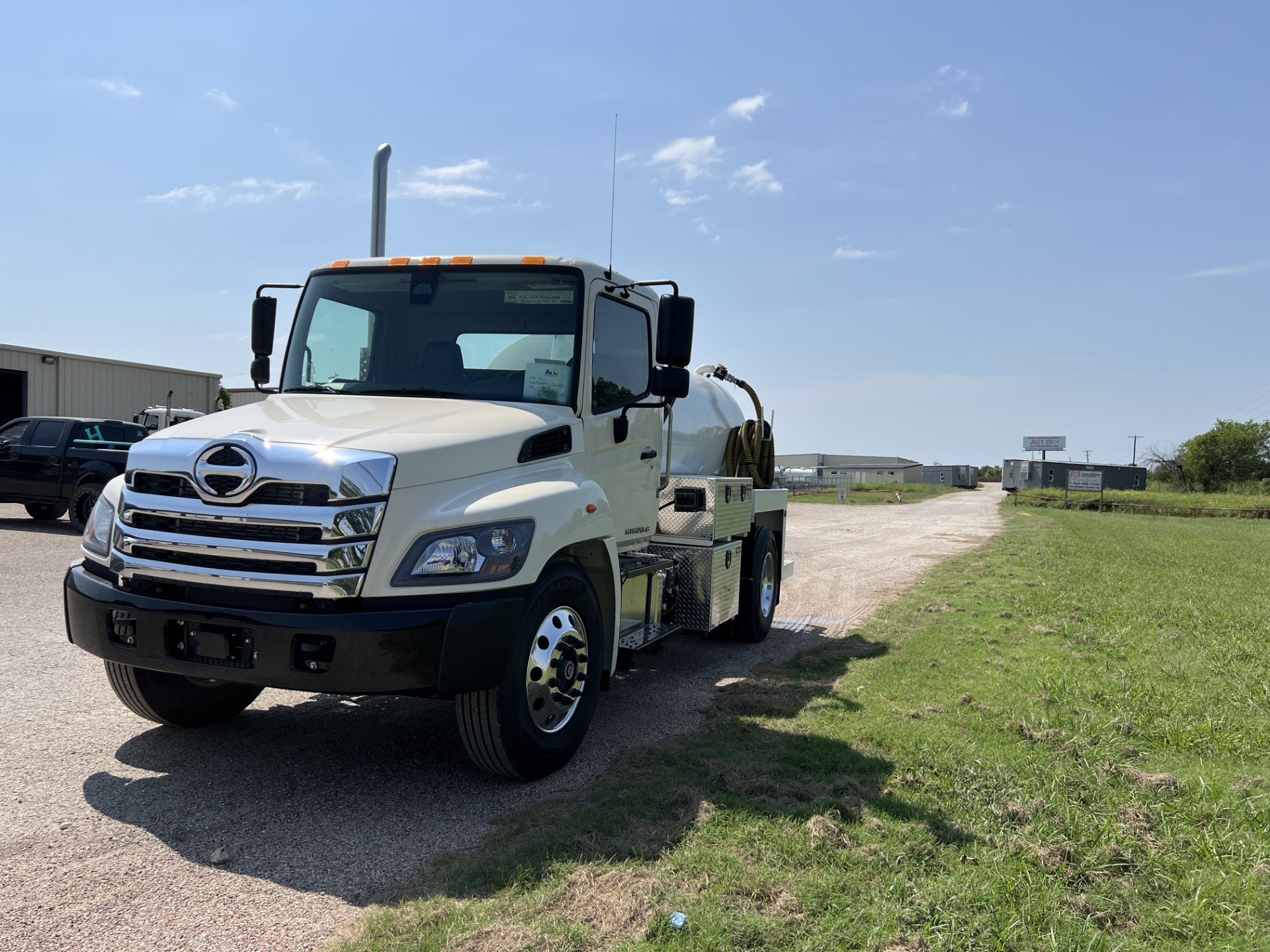
Septic Rentals in Black Mountain, Tennessee
Call today for a free quote (423) 740-6901
Septic
Fast, Easy, & 100% Free To Get Started
Over 20 Years of Excellence
With over 20 years in the business, MC Septic serves Black Mountain, offering reliable solutions grounded in local expertise. We focus on quality and customer satisfaction, reflecting our deep community ties and commitment to exceptional service.
Unmatched Quality Service
Our commitment to quality service is unwavering, ensuring each client receives the personalized attention their project deserves. MC Septic is dedicated to providing clean, efficient, and reliable sanitation solutions.
Prompt and Efficient Delivery
MC Septic ensures prompt solutions through efficient delivery schedules tailored precisely to your needs. Clients enjoy fast service that expertly combines speed and quality to guarantee complete satisfaction.
Reliable Septic Solutions in Black Mountain, Tennessee
Call for a Free Quote Today
(423) 740-6901
MC Septic, located in Black Mountain, Tennessee, delivers dependable and locally owned septic services. We proudly cater to nearby communities, offering reliable solutions for construction sites, parties, festivals, weddings, and more. Our dedication to superior service distinguishes us as a trusted partner for your sanitation needs. Choosing us means selecting a company lauded for reliability, professionalism, and strong local presence. Rely on us for secure, clean, and efficient septic services, expertly tailored to meet the unique demands of any event—large or small—in Black Mountain and surrounding areas.
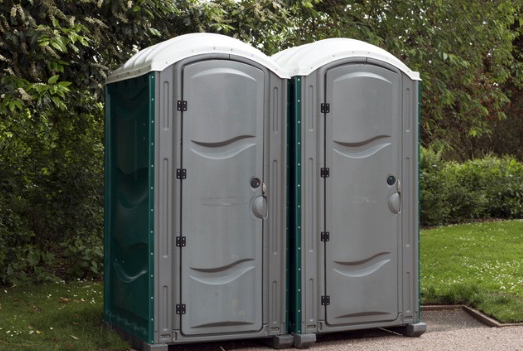
Durable, single-unit restroom with ventilation, an “In-Use” locking mechanism, and a hand sanitizer dispenser. A practical, sanitary solution for construction sites, events, and outdoor gatherings.
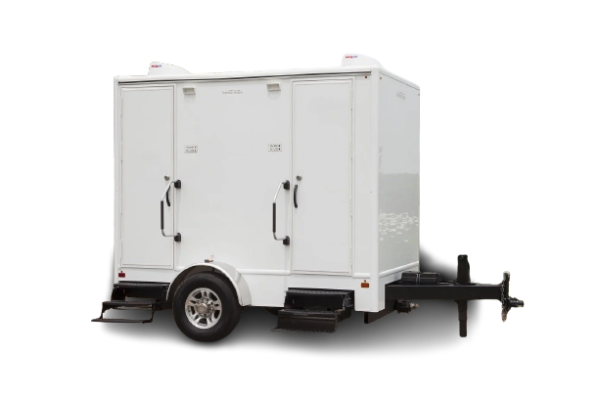
Multi-stall facility featuring flushing toilets, sinks with running water, interior lighting, and climate control. Perfect for weddings, festivals, and VIP events.
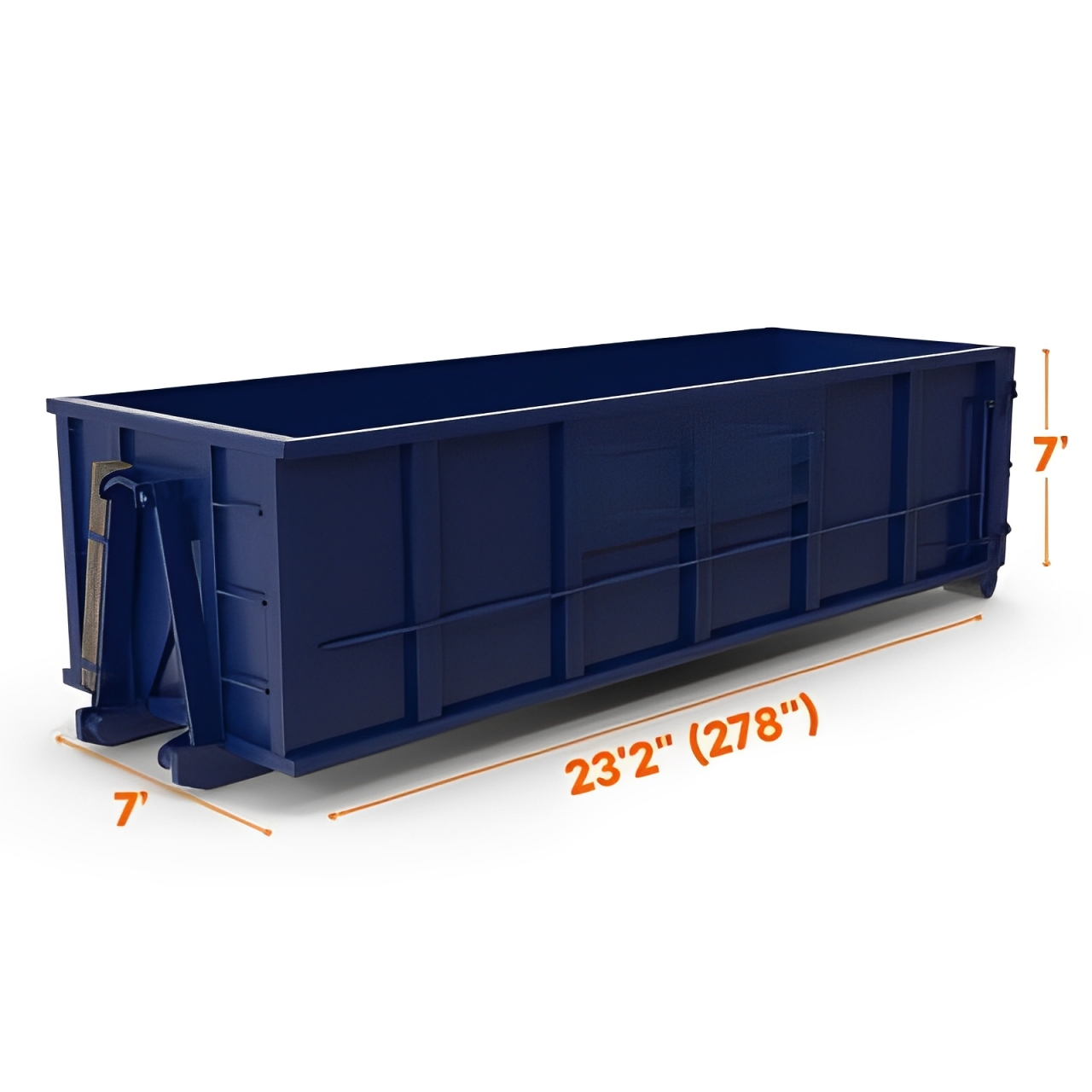
Large, open-top waste containers ideal for construction debris, home renovations, and cleanouts. We offer sizes ranging from 16-yard to 40-yard dumpsters to fit any project’s needs, ensuring easy, efficient disposal at your site.
We Proudly Serve
Standard Portable Toilets
Our standard portable toilets offer convenient and hygienic sanitation solutions for events and sites in Tennessee.
High Rise Portable Toilets
Our high-rise portable toilets are designed for the demands of urban construction sites in Black Mountain.
Restroom Trailers
MC Septic provides restroom trailers with luxury amenities for events in Black Mountain, ensuring guest comfort.
Roll off Dumpsters
Our roll-off dumpsters in Black Mountain offer efficient waste management for residential and commercial projects.
Septic Tank Cleaning
MC Septic's expert cleaning services maintain the health and functionality of septic systems across Tennessee.
Grease Trap Cleaning
Our grease trap cleaning services in Black Mountain ensure efficient restaurant operations and code compliance.
Fencing & Barricades
MC Septic's fencing and barricade solutions in Tennessee offer safety and security for various projects and events.
Residential Storage
Our residential storage solutions in Black Mountain provide secure, flexible options for your personal storage needs.
Black Mountain Septic and More
At MC Septic, getting a quote and arranging delivery for septic services in Black Mountain is incredibly streamlined and efficient. Our user-friendly online platform makes obtaining detailed, transparent quotes immediate and straightforward, ensuring that all your service needs are accessible at the click of a button. Clients can conveniently fill out their contact details, including first and last names, phone numbers, and email addresses, either through our homepage form or the Get A Quote buttons located strategically throughout our website.We also understand the significance of prompt delivery. Our logistics team works tirelessly to ensure your septic systems and solutions are delivered right on time, accommodating various schedules and deadlines. We prioritize efficiency without compromising the quality of service, making customer satisfaction our top objective.Beyond the ease of obtaining quotes, our delivery process is crafted to be hassle-free, with professionals ready to assist you every step of the way. Testimonials from our satisfied customers often highlight how our timely and effective setup meets even the most demanding requirements, further reinforcing our reputation as leaders in the septic service industry.Given our proven track record, customers rest easy knowing that from the initial quote to the final delivery, every aspect of their interaction with MC Septic is met with professionalism and care. Contact us today to experience the convenience and peace of mind that comes from working with the premier septic provider in Black Mountain.
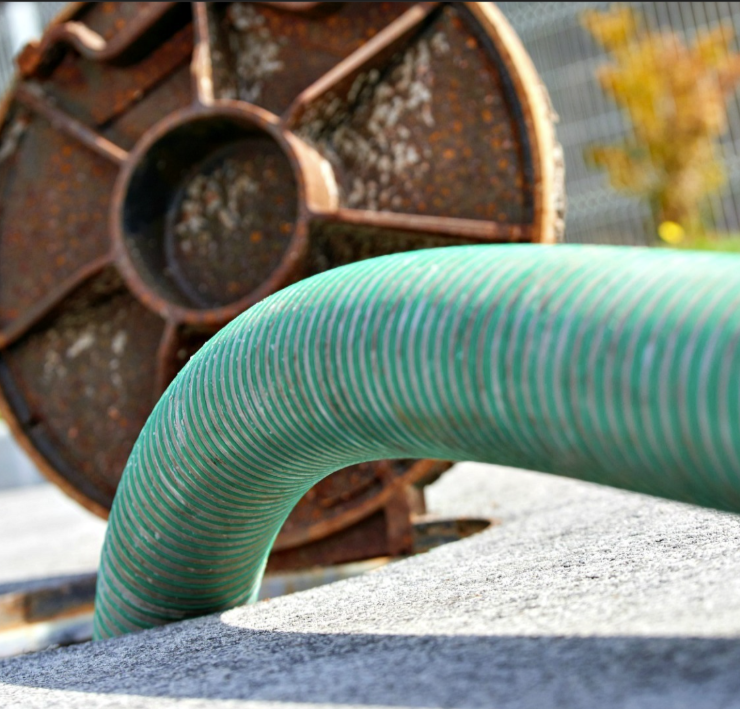
Discover unparalleled septic services in Black Mountain, where local charm meets exceptional solutions. Located amid Black Mountain's scenic beauty, known for its closeness to the breathtaking Blue Ridge Parkway and the lively Black Mountain Arts and Crafts Show, we offer septic services designed to complement the town's peaceful yet vibrant lifestyle. Whether you host an event near the trails or during a community festival, our services ensure seamless guest satisfaction.Choosing MC Septic means opting for local excellence and dependability. We take pride in elevating your event with clean, reliable sanitation that aligns with Black Mountain's esteemed hospitality. Each service, from family gatherings to large festivals, employs cutting-edge technology, ensuring efficiency and superior standards.Our clients value the personalized and attentive service we provide, reflecting Black Mountain's distinct character. By partnering with us, you guarantee your guests enjoy a comfort level that matches the best of local culture. Experience the benefits of working with MC Septic, where we combine modern convenience with the town's timeless allure.
MC Septic is Black Mountain's leading sanitation service provider. With strong community connections and a commitment to excellence, we deliver unmatched sanitation solutions. We offer the most comprehensive range of services in the region, combining years of expertise with local insights to ensure top-quality sanitation for events of any scale.Our commitment to Black Mountain goes beyond just services. We actively participate in and support local events, fostering trust and collaboration within the community. Whether for a small gathering or a major celebration, MC Septic is renowned for quality, reliability, and a deep understanding of local needs, making us the preferred choice for residents and businesses alike.We pride ourselves on transparent operations, ensuring each interaction is smooth and straightforward. From initial consultations to final installations, you’ll feel supported and understood. Join the many satisfied clients who trust MC Septic, knowing it stands for exceptional service and reliability in Black Mountain.
MC Septic guarantees fast and reliable septic services tailored to Black Mountain's unique demands. Our prompt service delivery facilitates seamless coordination for events or regular maintenance, ensuring client satisfaction.Punctuality and efficiency are core to our operations; our skilled team ensures installations and service provisions are carried out with precision and on time. No matter the scale of the task, our priority remains ensuring minimal disruption to your operations with swift, professional services.Our proactive communication and transparent processes set us apart. Clients value the peace of mind knowing that each step, from inquiry to execution, reflects our commitment to consistent, high-quality servicing. Whether it is for a construction site or a special event, MC Septic offers robust solutions backed by a guarantee of reliability.
Discover Black Mountain's Septic Experts
Renting septic services in Black Mountain through MC Septic is straightforward and designed for maximum convenience. Start by visiting our website where you'll find 'Get A Quote' buttons prominently displayed across various pages. Clicking these links will direct you to our easy-to-complete quote request form. This form requires only basic contact information—first name, last name, phone number, and email address—to begin the process.Our user-friendly interface is available both at the top and bottom of our website pages, ensuring that all potential clients can easily access it regardless of where they're navigating. Once submitted, this information allows our team to promptly generate a tailored service proposal addressing your specific needs.MC Septic is committed to transparency and customer service. Our representatives are available to clarify any inquiries you might have about the rental process or specific services you're interested in. From portable toilets to roll-off dumpsters, our wide-ranging solutions are clearly outlined for your perusal.Upon receipt of your inquiry, our team focuses on delivering competitive quotes quickly so you can proceed confidently with your event planning or operational requirements. This process ensures no delays while enabling you to lock in the services you need at competitive and fair pricing. Explore our website's comprehensive service descriptions, reviews, and additional contact points to make informed decisions when planning your sanitation needs in Black Mountain.
At MC Septic, we pride ourselves on our remarkable response times for delivering septic services. Once your order is processed and finalized, clients can generally expect delivery within a 24-hour turnaround, tailored to meet Black Mountain's unique demands.Our fleet and logistics team work diligently to schedule deliveries that correspond with your event timelines, ensuring a seamless setup. We understand that time-sensitive projects require precision planning; therefore, our systems are designed to prompt alerts and regular updates throughout the process. By coordinating closely with clients, we establish preferred delivery windows, accommodating both standard and emergency requests.Communication remains a pillar of our operations. MC Septic's customer service is available to discuss delivery specifics, allowing modifications as required to suit fluctuating needs. We prioritize alignment with your schedule, offering peace of mind that deployment will proceed efficiently and as planned.Feedback from clients underscores our ability to consistently deliver on time, underscoring trust in our operational capability. Clients recognize our dedicated commitment to punctuality as a significant differentiator, making MC Septic a leading provider for septic solutions in Black Mountain.Our proactive approach, coupled with advanced routing technology and a competent support team, enables exceptional delivery outcomes. Choose MC Septic for reliable timelines that contribute to a smooth, trouble-free service experience uniquely customized for each customer.
MC Septic efficiently caters to a variety of events and construction sites, addressing all sanitation needs with precision. From lively festivals and competitive sports events to sophisticated weddings and corporate functions, we offer a full suite of services, including luxury restroom trailers, standard porta-potties, roll-off dumpsters, and more.Our luxury restroom trailers are tailored for events requiring top-tier facilities, featuring multiple stalls, climate control, and running water. In contrast, our portable toilets provide sturdy solutions for construction sites and other outdoor locales.Beyond sanitation services, we offer essential accessories like fencing and barricades to enhance site organization and safety. Our specialized units, including ADA-compliant facilities and hygiene stations such as portable sinks and hand sanitizer dispensers, reflect our commitment to inclusivity and health.MC Septic’s adaptability and personalized solutions make us the go-to choice for diverse needs, whether hosting a small family reunion or a large corporate event. Our focus on quality, prompt service, and comprehensive inventory ensures every venue is meticulously prepared and runs seamlessly throughout.Our team remains ready to discuss each service opportunity's scope, ensuring tailored solutions that align with your specific goals. Trust MC Septic to deliver the professionalism and reliability essential for the success of your project.