Using septic systems offers numerous eco-friendly advantages that make it an excellent choice for sustainable waste management. Septic systems naturally process and treat waste on-site, reducing the need for extensive infrastructure and minimizing the energy consumption associated with centralized sewage treatment facilities. By utilizing natural bacterial processes, septic systems effectively break down organic matter, ensuring that waste is treated efficiently before it is safely returned to the environment. These systems also minimize the potential risk of pollution, as treated waste is filtered through soil layers, acting as a natural purifier before it reaches groundwater. Additionally, septic systems encourage water conservation by recharging groundwater sources and reducing the need for additional water treatment processes. With proper maintenance and routine cleaning, septic systems can serve as a long-lasting, sustainable solution that complements eco-conscious approaches to waste management. As more communities emphasize environmental responsibility, utilizing septic systems highlights a commitment to preserving natural resources while meeting modern sanitation needs effectively. Furthermore, by choosing septic systems, individuals and businesses contribute to local environmental health, supporting the continuity of clean water sources and fostering community-wide environmental stewardship. The balance between functionality and eco-friendliness makes septic systems an indispensable choice for those seeking to reduce their environmental footprint significantly.

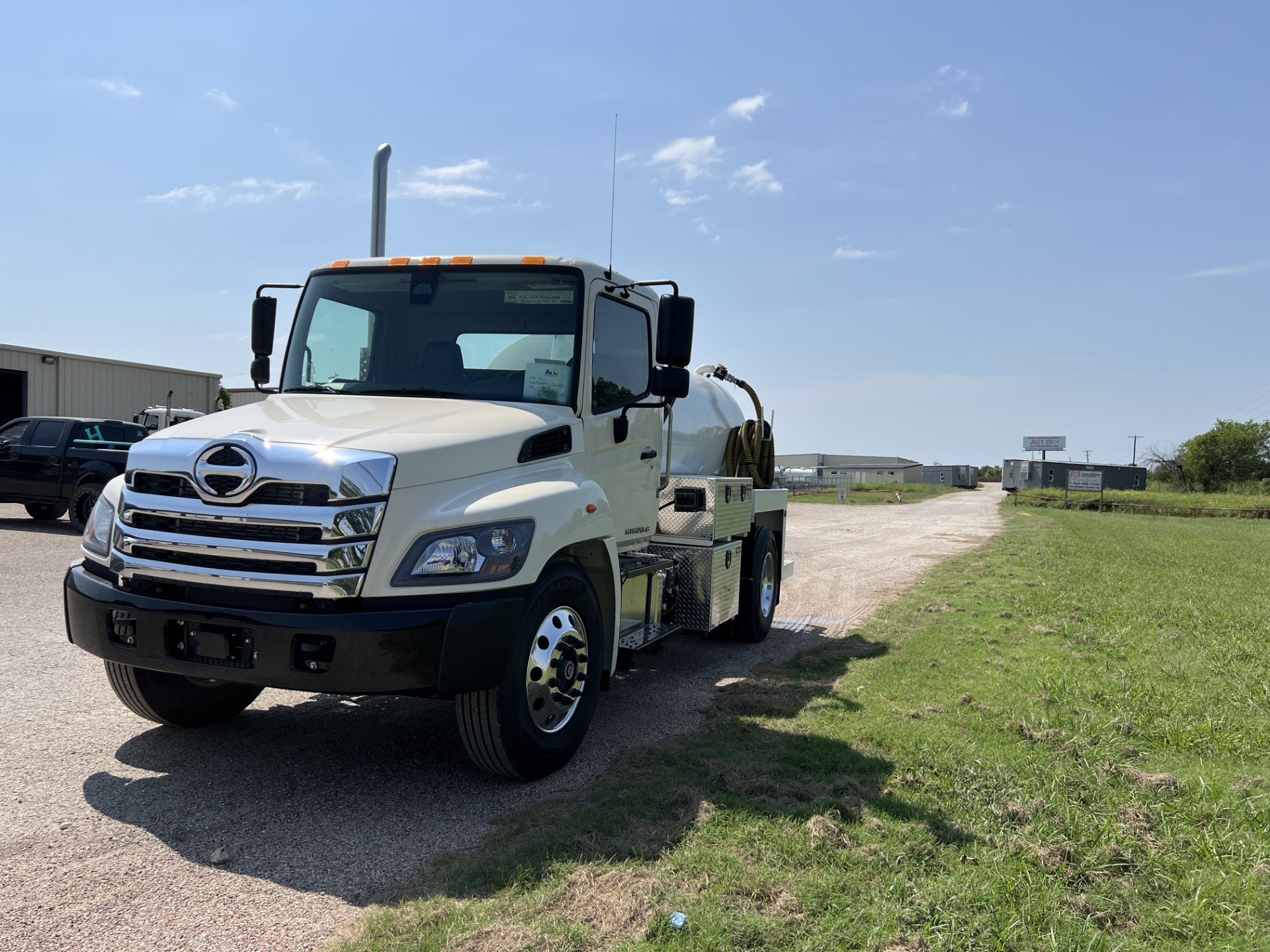
Septic Rentals in Bean Station, Tennessee
Call today for a free quote (423) 740-6901
Septic
Fast, Easy, & 100% Free To Get Started
Over 20 Years of Excellence
For more than 20 years, MC Septic has proudly served the Bean Station community, offering superior septic services. We dedicate ourselves to providing outstanding sanitation solutions, consistently aiming to surpass customer expectations.
Commitment to Quality
MC Septic promises top-notch quality with every service, ensuring that our clients receive nothing less than exceptional sanitation solutions. Our rigorous standards guarantee satisfaction and reliability.
Fast and Efficient Service
MC Septic provides quick and efficient service tailored to meet urgent sanitation needs. Our streamlined processes ensure timely delivery and setup, making us the ideal choice for prompt solutions.
Dependable Septic Solutions in Bean Station
Call for a Free Quote Today
(423) 740-6901
At MC Septic, we are proud to be a dependable and reliable septic provider in the Bean Station area. Our locally owned and operated business stands out by offering professional services for any occasion, whether it's a construction site, wedding, or festival. We prioritize customer satisfaction, ensuring our solutions meet the specific needs of our community and surrounding areas. With a range of services from portable toilet rentals to septic tank pumping, our team is dedicated to maintaining the highest standards of cleanliness and functionality. Choose us for all your sanitation needs and experience unparalleled convenience and quality.
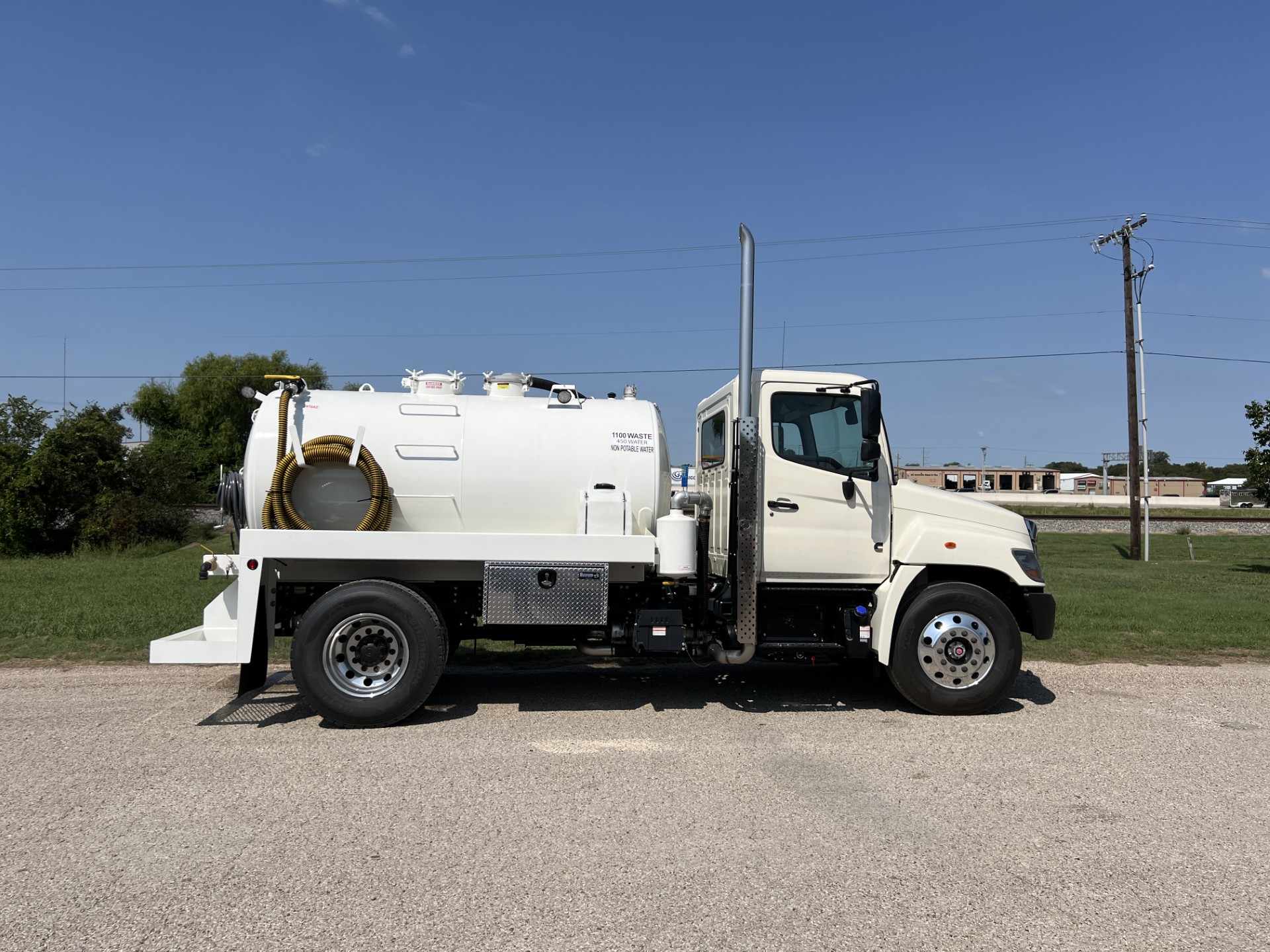
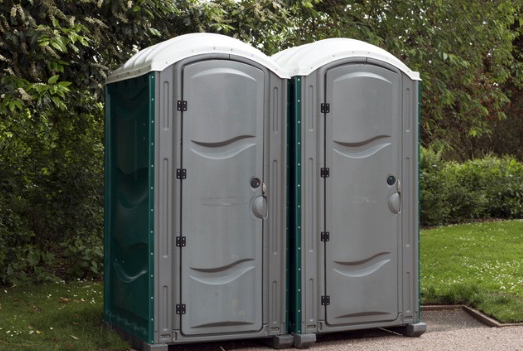
Durable, single-unit restroom with ventilation, an “In-Use” locking mechanism, and a hand sanitizer dispenser. A practical, sanitary solution for construction sites, events, and outdoor gatherings.
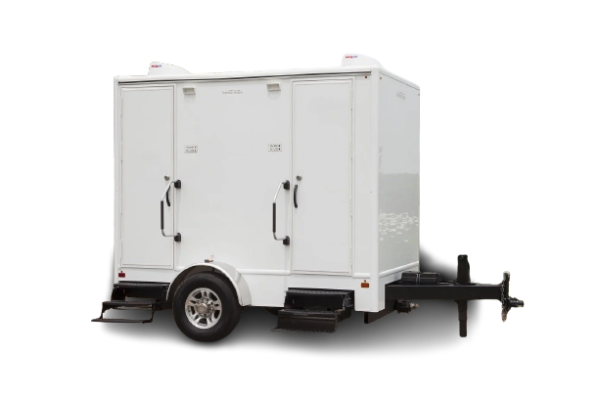
Multi-stall facility featuring flushing toilets, sinks with running water, interior lighting, and climate control. Perfect for weddings, festivals, and VIP events.
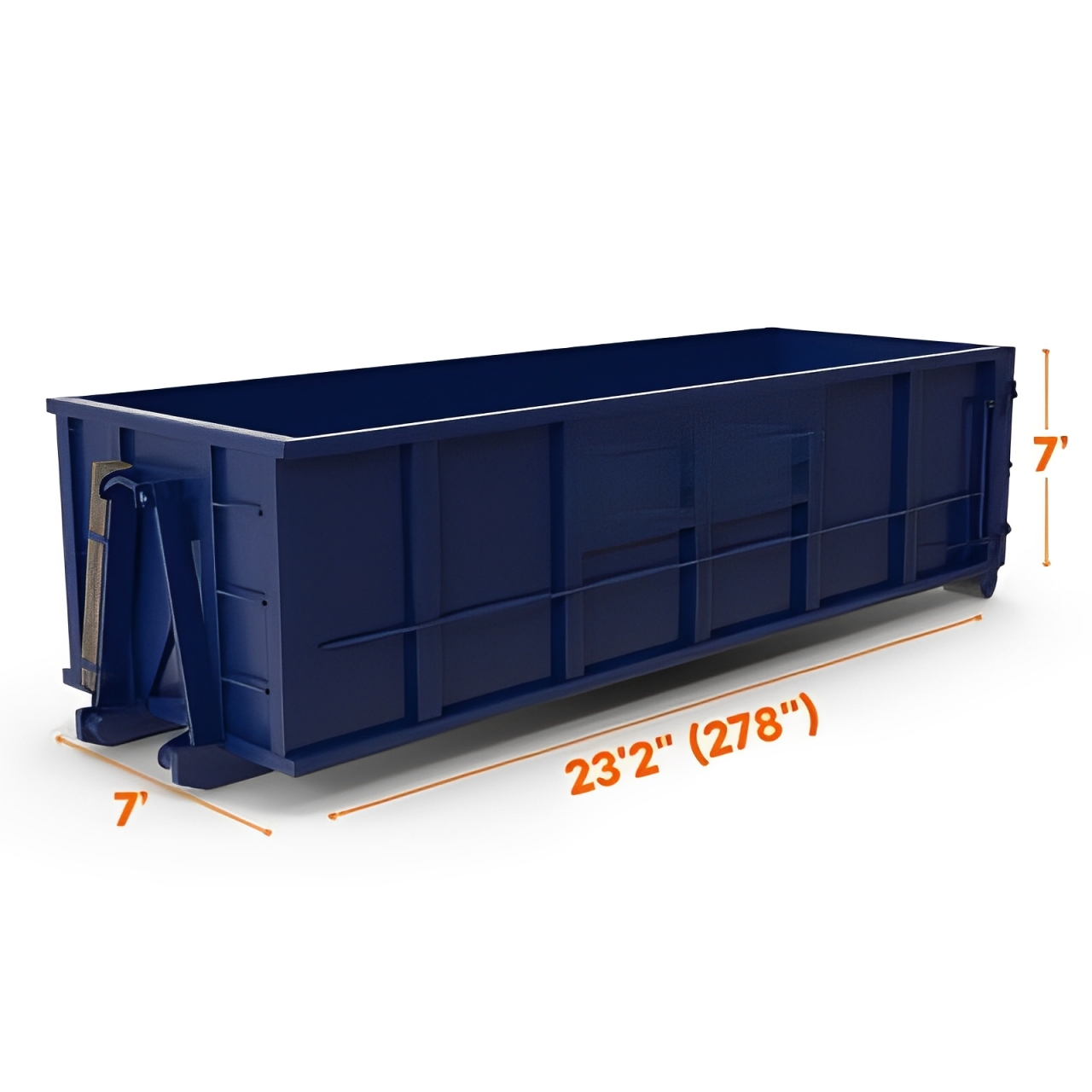
Large, open-top waste containers ideal for construction debris, home renovations, and cleanouts. We offer sizes ranging from 16-yard to 40-yard dumpsters to fit any project’s needs, ensuring easy, efficient disposal at your site.
We Proudly Serve
Standard Portable Toilets
Our standard portable toilets provide reliable sanitation solutions for any outdoor event or construction site in Tennessee.
High Rise Portable Toilets
High rise portable toilets designed for easy installation in Bean Station's multi-level construction projects.
Restroom Trailers
Our restroom trailers in Bean Station offer luxury amenities perfect for weddings and upscale events.
Roll off Dumpsters
We provide roll-off dumpsters in Bean Station, ensuring efficient waste management for all project scales.
Septic Tank Cleaning
Professional septic tank cleaning service in Tennessee that maintains and extends your system's lifespan.
Grease Trap Cleaning
Efficient grease trap cleaning services offered in Bean Station to ensure compliance and sanitation standards.
Fencing & Barricades
Our fencing and barricades service in Tennessee provides security and crowd control solutions for events and sites.
Residential Storage
Convenient and secure residential storage options are available at our Bean Station location.
Bean Station Sanitation Solutions
Convenience is key when it comes to renting septic services with MC Septic. Our streamlined approach ensures you get a quote swiftly, making the process of acquiring septic solutions extraordinarily simple. With user-friendly options available on our website, you can request a quote with ease by filling out a form with just your basic contact details. This seamless process eliminates the hassle of protracted phone calls or paperwork, leaving you more time to focus on your event or project. Once you submit your request, our team works efficiently to provide you with a detailed quote customized to your specific needs, all while keeping costs clear and competitive. Delivery is equally straightforward. Once a quote is approved, our well-coordinated team ensures the septic solution is delivered promptly to your location. Whether you need services for a construction site, outdoor event, or residential purpose, our swift delivery process guarantees that your sanitation needs are met without delay. With MC Septic, enjoy unparalleled convenience that takes care of everything from start to finish so that you can focus on your priorities.
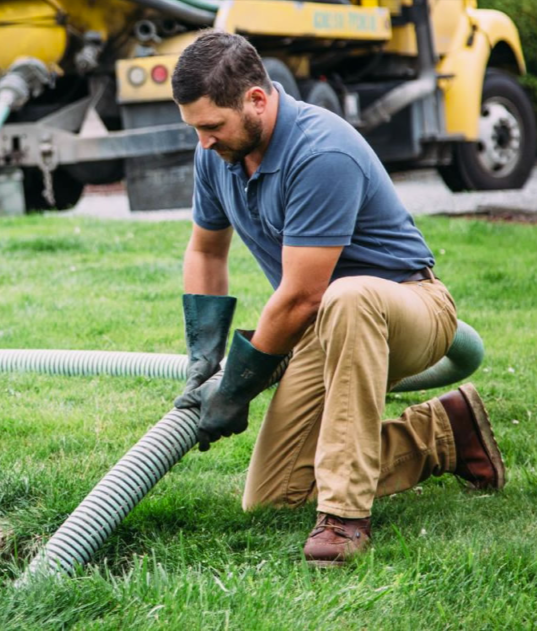
Discover the essence of local charm in Bean Station by choosing MC Septic for your sanitation needs. Our services don't just meet basic requirements; they enhance every community event by ensuring clean, reliable, and convenient sanitation facilities. Situated near the scenic Cherokee Lake, our locally-rooted approach guarantees seamless integration with Bean Station's natural appeal. Embrace the advantages of our tailored solutions, which complement the unique spirit of local events. From enchanting weddings to the lively annual Oktoberfest celebration, our commitment to top-notch service elevates the guest experience. With MC Septic, you aren't just getting a service; you are choosing a partner that values the community and ensures every occasion unfolds flawlessly.
MC Septic is the unmatched leader in sanitation services in Bean Station. Our unwavering commitment to quality and customer satisfaction sets us apart. We pride ourselves on offering not just a service, but a genuine partnership with the community, addressing every need with expert precision and care.Whether catering to community events with customized solutions or delivering the most efficient sanitation for construction sites, our dedication to excellence remains unsurpassed. By choosing us, you engage with a trusted team that comprehends local needs and consistently exceeds expectations.
At MC Septic, speed and reliability define our services. We understand the urgency of sanitation solutions and respond with promptness that makes us the preferred choice in Bean Station. Our expertly coordinated team guarantees your site or event is equipped without delays, ensuring no disruption to your plans.Our expedited processes mean clients never have to worry about the logistics. From immediate service requests to rapid deployment, our clients enjoy unparalleled efficiency. Choose MC Septic for fast, reliable solutions that transform potential challenges into seamless experiences.
Learn More About Our Septic in Bean Station
Renting a septic system in Bean Station is a straightforward and hassle-free process, designed to meet the needs of both individual and commercial clients. At the top and bottom of our webpage, you'll find easy-to-access forms dedicated to obtaining a quote for septic rentals. Simply fill out your first name, last name, phone number, and email in the provided fields. Additionally, strategically located 'Get A Quote' buttons throughout our site direct you to these forms swiftly, ensuring a seamless user experience. Once you've submitted your request, our team reviews your information and gets back to you promptly, offering a tailored quote that matches your specific requirements. Whether planning for a large event, construction project, or residential need, our efficient communication ensures that all your questions are answered, and rental arrangements are handled with utmost professionalism. By providing all necessary contact details upfront, you enable our team to craft the most accurate and advantageous offers, ensuring competitive pricing and availability that suits your schedule. Experience professionalism and simplicity with MC Septic's rental process, where customer ease is our priority.
Understanding the typical delivery timeframe for septic orders is crucial for effective event planning and construction project management. At MC Septic, we prioritize prompt and reliable delivery to ensure that sanitation facilities are ready when and where you need them. Generally, our well-coordinated logistics team operates within a standard delivery window that accommodates urgency without compromising service quality. Upon finalizing your order, our representative will provide the most accurate delivery estimate based on your location and specific requirements. Factors such as geographical distance, requested customization, and peak service times may influence exact delivery windows, but we strive to deliver all septic solutions as efficiently and timely as possible. Emergency requests are treated with heightened priority, and our flexible approach allows for adjustments to meet unexpected changes in your plans. Transparency remains at the core of our operations, as we provide real-time updates throughout the delivery process, ensuring you're never in the dark about when to expect your ordered septic units. With our proactive communication and dedication to meeting deadlines, you can trust MC Septic to handle your needs seamlessly, leaving you free to focus on other aspects of your event or project.
Yes, MC Septic is fully equipped to manage any event or construction service need you might encounter. We provide a comprehensive array of solutions, including luxury restroom trailers and standard porta-potties, ensuring comfort for guests at festivals, sports events, and weddings. We also support corporate gatherings and family reunions with professional-grade units designed to endure Texas's distinctive climate and event logistics. Recognizing the varied demands of special events, we offer customizable packages combining elegance and utility. Our options include fencing, barricades, holding tanks, ADA-compliant units, and a broad selection of portable sinks and hand sanitizer stations. Our expertise also covers large-scale construction projects, enhancing efficiency with roll-off dumpsters and additional sanitation facilities. With years of industry experience, MC Septic ensures both small and large businesses receive top-tier services, marked by meticulous attention to detail and tailored service models. Centered on hygiene, accessibility, and reliability, our solutions are crafted to facilitate seamless, worry-free event operations across various scenarios.