Septic systems offer numerous eco-friendly advantages that make them a sustainable choice for waste management. One of the primary benefits is their natural filtration process, where wastewater is treated on-site, reducing the need for extensive sewer infrastructures. This decentralized approach minimizes environmental disruption and decreases energy consumption linked to water treatment facilities. Additionally, septic systems recycle water back into the natural aquifers through the soil absorption process, maintaining the ecological balance. By avoiding the harsh chemicals often used in centralized treatment plants, they contribute to maintaining cleaner local waterways and landscapes. Moreover, when properly maintained, septic systems have a long operational life, minimizing resource consumption. Employing local resources for installation and repair also supports community economies, further enhancing their green credentials. Overall, septic systems align with sustainable living practices by providing an energy-efficient, low-impact solution for managing household waste.

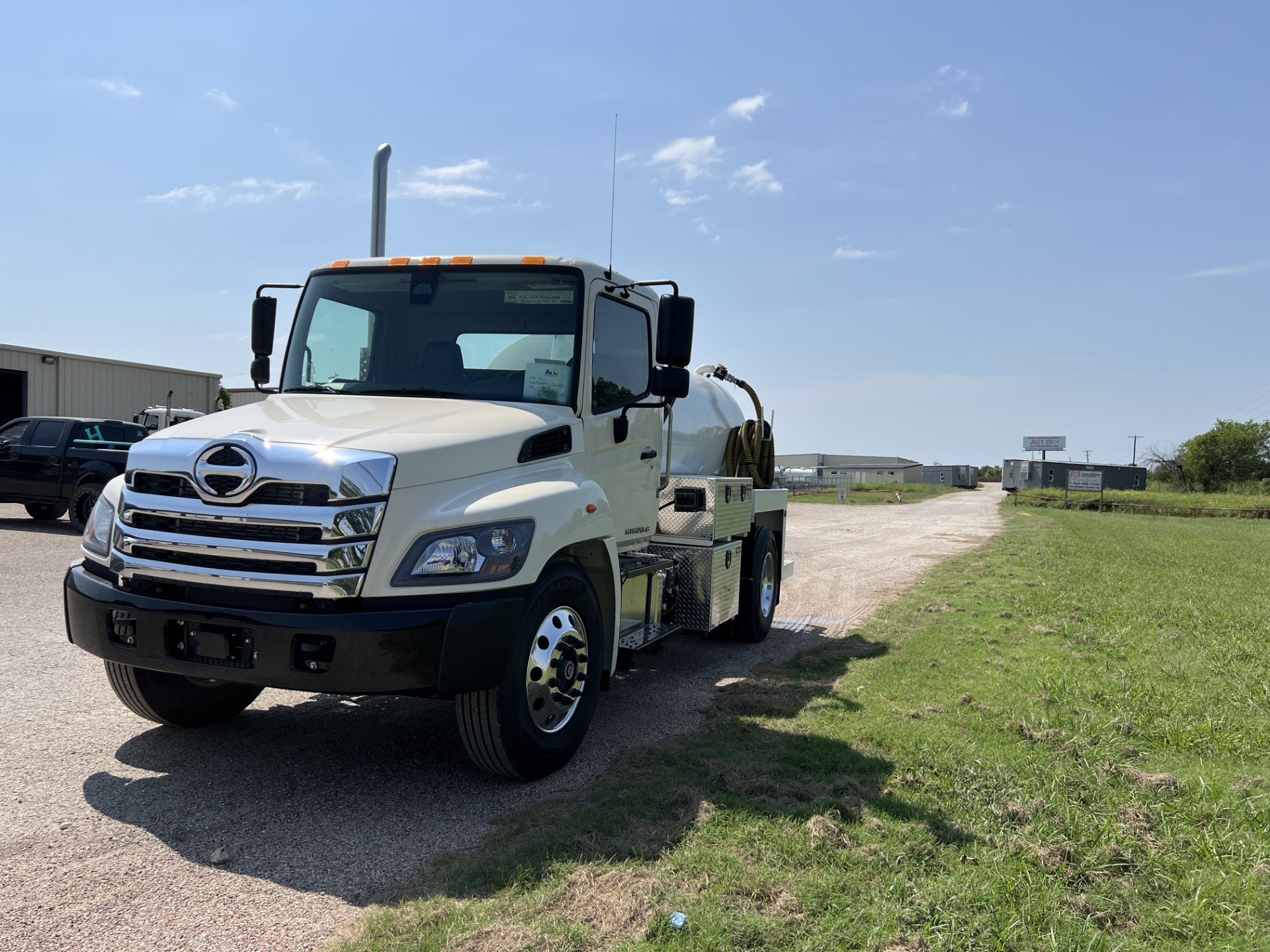
Septic Rentals in Sneedville, Tennessee
Call today for a free quote (423) 740-6901
Septic
Fast, Easy, & 100% Free To Get Started
20+ Years Of Expertise
With over 20 years of experience, MC Septic Services has been a part of the Sneedville community, dedicated to quality and customer satisfaction. We pride ourselves on our strong local ties and commitment to providing dependable septic solutions to our valued clients.
Commitment To Quality
At MC Septic, we guarantee top-notch sanitation services with a focus on precision and excellence. Our seasoned professionals are dedicated to maintaining the highest standards of cleanliness and functionality, ensuring each job is completed with utmost care and reliability.
Swift Delivery Services
Our logistics team works efficiently to provide quick and reliable delivery of septic solutions, customized to fit your schedule. Offering next-day service options and dependable fleet management, we promptly and smoothly address all your septic needs.
Reliable Septic Services in Sneedville
Call for a Free Quote Today
(423) 740-6901
MC Septic Services delivers exceptional septic solutions in Sneedville and surrounding areas. Locally owned and trusted, we take pride in providing professional and reliable services. Whether you're hosting a wedding, organizing a party, setting up a festival, or overseeing a construction site, our extensive services, including septic tank pumping, portable restrooms, and roll-off dumpster rentals, ensure a hassle-free experience. With over 20 years of community service, we ensure customer satisfaction through our responsive support and competitive pricing. Rely on MC Septic for all your sanitation needs and experience our expertise.
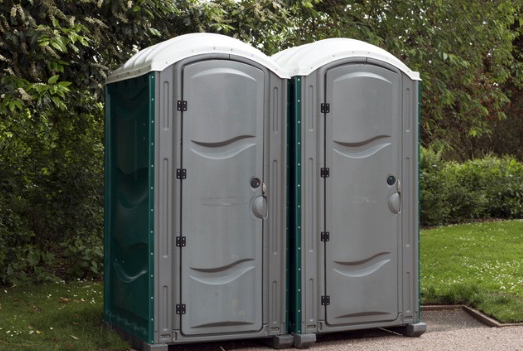
Durable, single-unit restroom with ventilation, an “In-Use” locking mechanism, and a hand sanitizer dispenser. A practical, sanitary solution for construction sites, events, and outdoor gatherings.
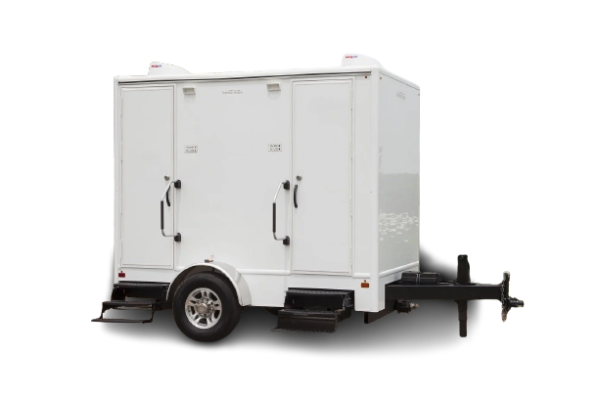
Multi-stall facility featuring flushing toilets, sinks with running water, interior lighting, and climate control. Perfect for weddings, festivals, and VIP events.
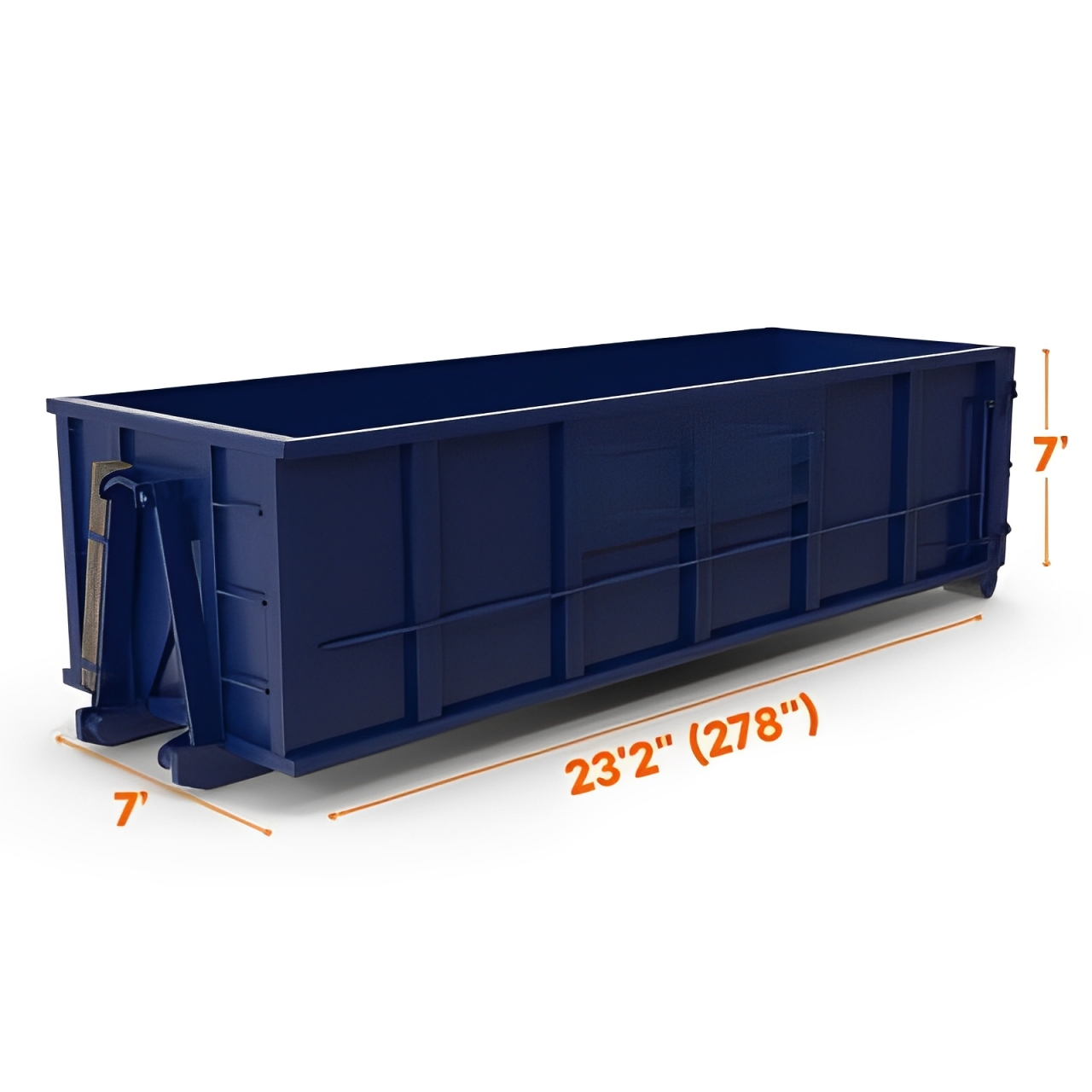
Large, open-top waste containers ideal for construction debris, home renovations, and cleanouts. We offer sizes ranging from 16-yard to 40-yard dumpsters to fit any project’s needs, ensuring easy, efficient disposal at your site.
We Proudly Serve
Standard Portable Toilets
Providing standard portable toilets for versatile use in MC Septic's service areas across Tennessee.
High Rise Portable Toilets
Offering high-rise portable toilets for convenient sanitation solutions in elevated areas of Sneedville, Tennessee.
Restroom Trailers
Supplying luxurious restroom trailers in Sneedville, ensuring comfort and functionality for your events.
Roll off Dumpsters
Efficient roll-off dumpster services in Sneedville, offered by MC Septic for hassle-free waste management.
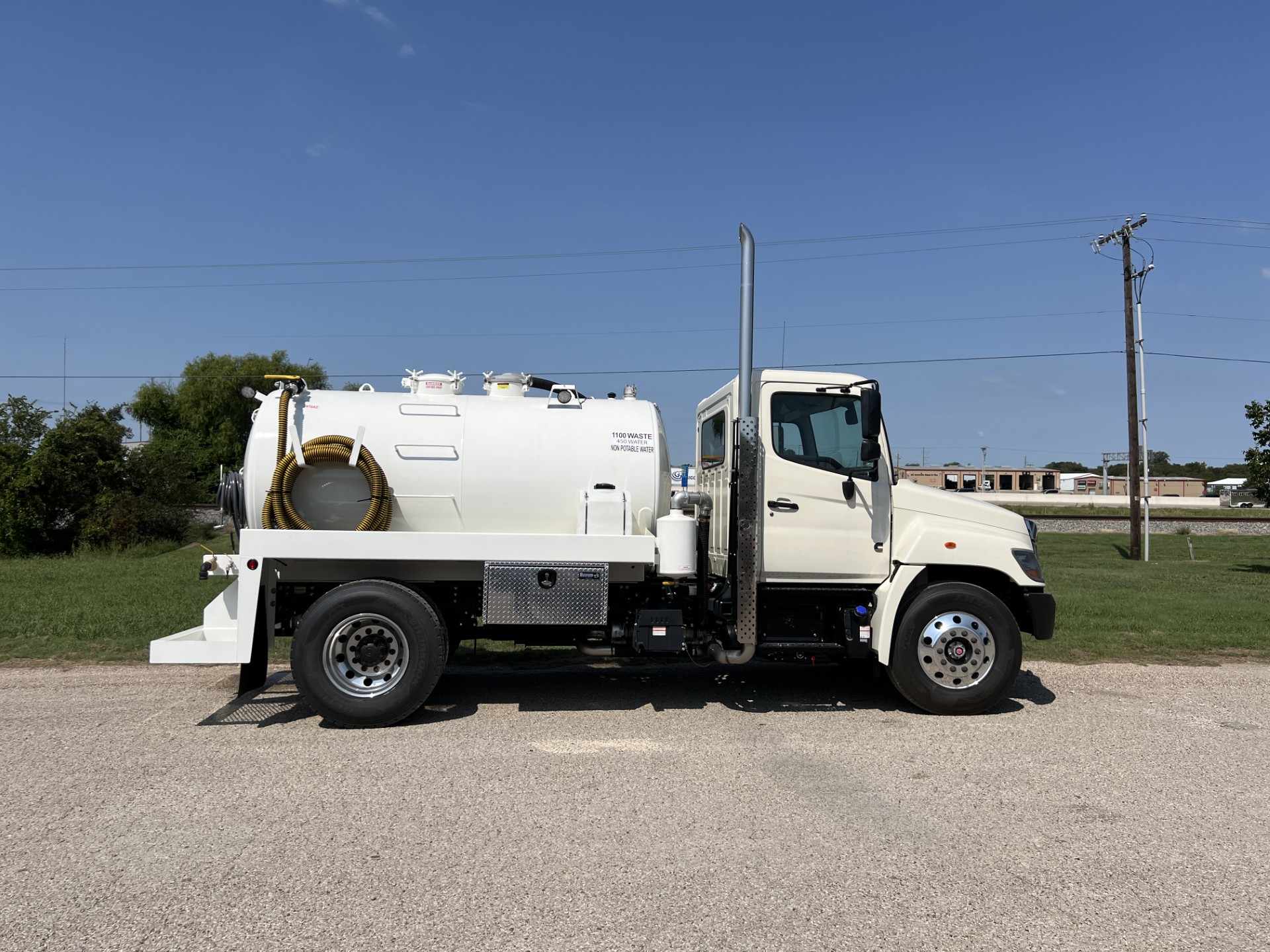
Septic Tank Cleaning
Expert septic tank cleaning in Tennessee provided by MC Septic, ensuring system efficiency and reliability.
Grease Trap Cleaning
Professional grease trap cleaning services in Sneedville, Tennessee, optimizing kitchen operations.
Fencing & Barricades
Reliable fencing and barricades solutions by MC Septic, enhancing security and organization in Tennessee.
Residential Storage
Offering tailored residential storage solutions in Sneedville, Tennessee, by MC Septic.
Sneedville Septic and More
Our septic services in Sneedville are designed to offer a streamlined experience, from obtaining a quote to seamless delivery. Start by visiting our website where you can easily access our Get A Quote feature. By filling out a simple form with your first name, last name, phone number, and email, you can receive an instant free, transparent estimate. Once the quote is confirmed, our professional team will coordinate the logistics to ensure timely delivery and setup of your selected services. We emphasize convenience, allowing you to focus on other important aspects of your planning. Our swift and reliable service guarantees peace of mind, making us the go-to choice for all your septic needs.
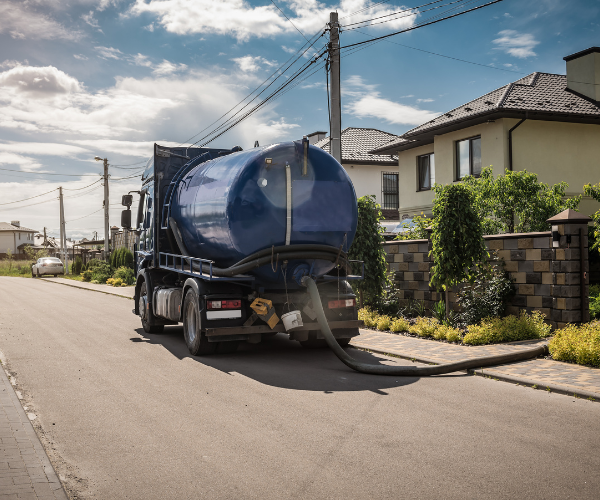
Sneedville's charm and vibrant community spirit shine through its beloved events, such as the Hancock County Fair and the annual festivals near River Place on the Clinch. Our reliable septic services ensure these gatherings have clean and dependable facilities, enhancing the overall guest experience. Embrace the beautiful outdoors with confidence, knowing MC Septic has you covered with high-quality sanitation solutions. From portable toilets to roll-off dumpsters, we provide peace of mind for organizers and attendees alike, ensuring each event goes off without a hitch. We take pride in supporting the Sneedville community with top-tier septic solutions, bringing modern convenience to cherished local traditions. Our commitment to excellence makes us the preferred choice in the area for all septic needs.
MC Septic is the top choice for septic solutions in Sneedville, expertly addressing the diverse needs of our local events and environments with precision and care. Our deep-rooted presence in the community highlights our dedication to providing exceptional services tailored to various occasions. Clients rely on us not only for dependable sanitation solutions but also for our in-depth understanding of Sneedville's landscape and community spirit. Emphasizing quality and customer satisfaction, MC Septic consistently leads in maintaining high sanitation standards across the region.
Experience fast, reliable septic services with MC Septic, where efficiency blends with expertise. Our committed team promptly delivers and sets up sanitation solutions, customized to fit your schedule and event requirements. We recognize the need for timeliness in dynamic settings and are dedicated to providing seamless service that consistently meets your expectations. With cutting-edge logistics and seasoned professionals, you can be confident that your event or construction site will run smoothly, with our support just a call away.
Discover Sneedville Septic Services
Renting septic services in Sneedville is designed to be simple and convenient. Visit our website, where "Get A Quote" buttons appear prominently on every page. Click any of these buttons to open our straightforward form. It asks for basic details, including your first and last name, phone number, and email. You can find this form conveniently placed both at the top and bottom of the page. Fill it out, and you'll promptly receive a personalized quote, providing transparency and confidence in your rental decision. After submission, our team contacts you to confirm your requirements and coordinate the logistical details for service delivery. We tailor everything to meet your specific event or project needs. By prioritizing customer satisfaction, we manage the entire process, allowing you to concentrate on other important tasks.
The typical delivery timeframe for septic orders is designed to be as swift and efficient as possible, catering to the dynamic needs of events and construction projects. Upon confirmation of your order, we generally provide next-day delivery to ensure minimal delays and maximum convenience. Our logistics team coordinates closely to manage the scheduling, taking into account your specific timing preferences. By operating within a tight framework, we aim to accommodate last-minute requests while maintaining high service standards. Understanding the critical nature of timely sanitation solutions, our approach prioritizes punctuality without compromising on quality or safety standards. Our seasoned field staff further ensures that the setup process is completed promptly upon arrival, with everything tested and ready for use. This commitment underscores our reliability and dedication to client satisfaction, assuring you can proceed with peace of mind.
Yes, we are equipped to service any type of event or construction site with a diverse range of sanitation solutions. Our offerings include luxury restroom trailers and porta-potties for large-scale festivals, sporting events, or more intimate gatherings like weddings and corporate events. For construction sites, we provide robust and weather-resistant portable restrooms, ensuring worker convenience and compliance with safety standards. Additionally, we offer roll-off dumpsters, fencing and barricades, holding tanks, ADA-compliant units, portable sinks, and hand sanitizer stations to cover every aspect of hygienic management. Our comprehensive service range and expertise gear us towards accommodating varied client needs, assuring successful and smooth operations across different contexts. With a focus on flexibility and customization, we strive to enhance the guest experience in any setting.