Many people today are increasingly concerned about the impact of their choices on the environment, and they often seek out eco-friendly solutions. Septic systems stand out as an effective option due to several eco-friendly advantages. First, they naturally treat and dispose of wastewater on-site, reducing the need for extensive sewage infrastructure that may harm the environment. This local treatment minimizes the carbon footprint associated with transporting sewage over long distances. Another significant advantage is that septic systems help replenish local groundwater supplies. Treated water returns to the earth, enhancing groundwater levels—a critical aspect in environmentally sensitive regions. Since septic systems involve decentralizing waste treatment, they also decrease the strain on municipal treatment plants. This effect can lead to less energy consumption and reduced greenhouse gas emissions associated with large-scale water treatment processes. Septic systems engage biological processes to break down pollutants in wastewater efficiently. These biological treatments introduce fewer chemicals into the environment compared to some centralized treatment plants, helping maintain healthier soil and waterways. Furthermore, advancements in septic technology allow for innovative, greener solutions that enhance the natural decomposition process, benefiting the surrounding ecosystems. By opting for septic, you support a sustainable, decentralized approach to waste management that aligns with environmentally-conscious principles. Choosing eco-friendly septic solutions can significantly impact local landscapes positively, exercising mindful stewardship of natural resources. Ultimately, these systems offer a reliable, long-term, environmental-friendly method of managing wastewater, ensuring that our communities and natural surroundings remain healthy for generations to come.


Septic Rentals in Mars Hill, Tennessee
Call today for a free quote (423) 740-6901
Septic
Fast, Easy, & 100% Free To Get Started
Over 20 Years of Experience
For more than 20 years, MC Septic Services in Mars Hill has built trust through strong community ties and unwavering commitment to quality. We deliver exceptional sanitation solutions, ensuring customer satisfaction with reliable and professional service.
Committed to Quality
MC Septic prioritizes quality in every service. Our team is dedicated to providing superior sanitation solutions, ensuring each customer receives clean, reliable, and efficient service tailored to their needs.
Prompt and Efficient Delivery
MC Septic recognizes the importance of timely service. That's why we swiftly deliver all your sanitation needs, ensuring efficient solutions that keep your events and projects running smoothly, giving you peace of mind.
Reliable Septic Solutions in Mars Hill
Call for a Free Quote Today
(423) 740-6901
At our family-owned septic services, we take pride in delivering timely and dependable solutions throughout Mars Hill, Tennessee, and its neighboring areas. Known for our reliability, we cater to various events including construction sites, parties, festivals, and weddings. Our locally owned company offers tailored services with a focus on customer satisfaction. Clients trust us for our transparency, ensuring there are no hidden fees, coupled with our commitment to maintaining clean and functional facilities. With our experienced team, you can rest assured that your sanitation needs are in capable hands, ensuring peace of mind for every event or project.
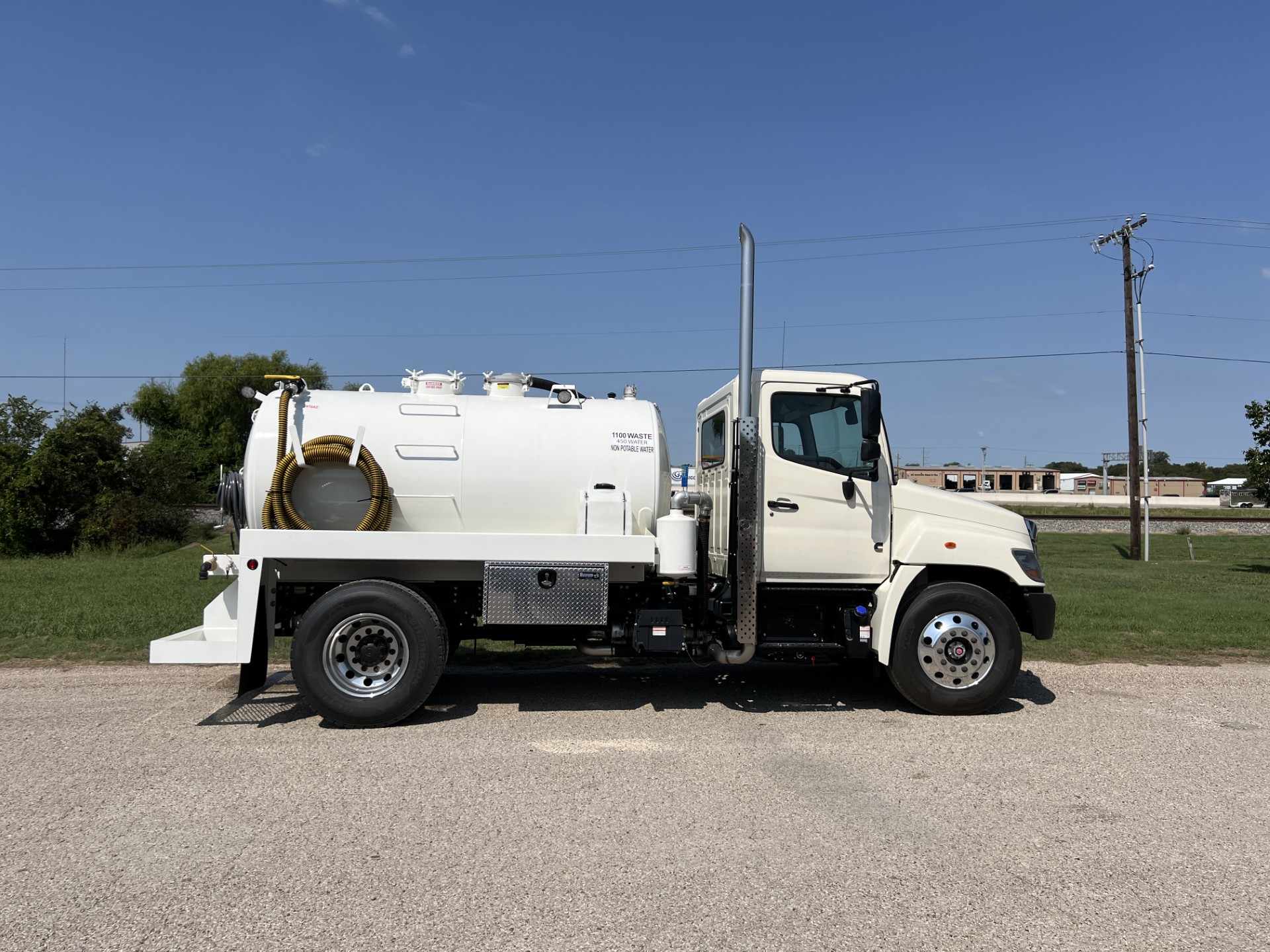
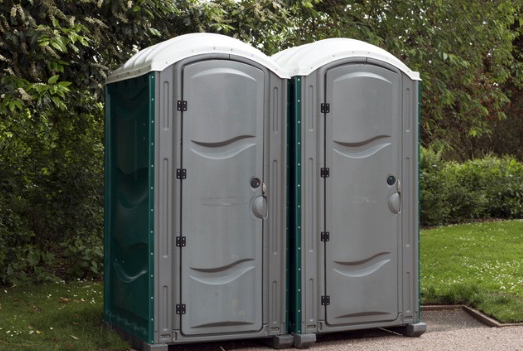
Durable, single-unit restroom with ventilation, an “In-Use” locking mechanism, and a hand sanitizer dispenser. A practical, sanitary solution for construction sites, events, and outdoor gatherings.
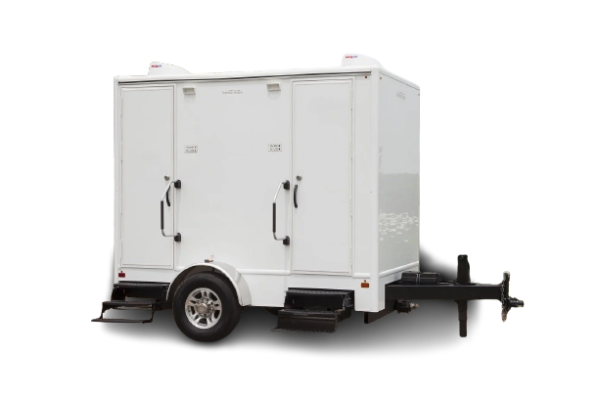
Multi-stall facility featuring flushing toilets, sinks with running water, interior lighting, and climate control. Perfect for weddings, festivals, and VIP events.
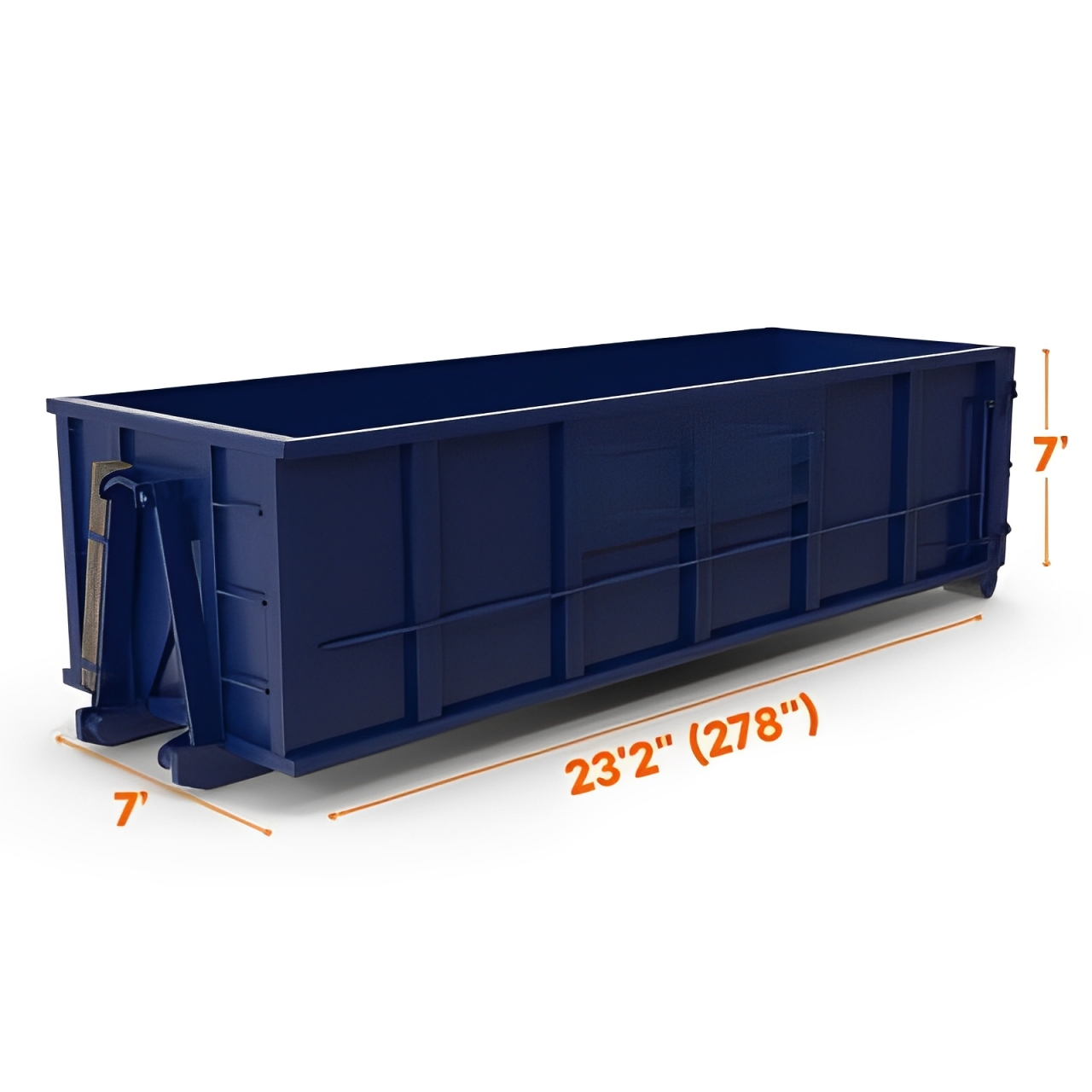
Large, open-top waste containers ideal for construction debris, home renovations, and cleanouts. We offer sizes ranging from 16-yard to 40-yard dumpsters to fit any project’s needs, ensuring easy, efficient disposal at your site.
We Proudly Serve
Standard Portable Toilets
MC Septic offers standard portable toilets tailored for versatile use across Tennessee's events and construction sites.
High Rise Portable Toilets
High-rise portable toilets by MC Septic offer convenient sanitation solutions for the unique demands of Mars Hill construction projects.
Restroom Trailers
Luxurious restroom trailers from MC Septic provide top-tier amenities for events in scenic Mars Hill.
Roll off Dumpsters
Offering roll-off dumpsters, MC Septic ensures Mars Hill's job sites and events remain tidy and efficient.
Septic Tank Cleaning
MC Septic excels in reliable septic tank cleaning, serving Tennessee with thorough and professional service.
Grease Trap Cleaning
MC Septic's grease trap cleaning keeps Mars Hill's commercial kitchens running smoothly and efficiently.
Fencing & Barricades
For sturdy fencing and barricades, trust MC Septic to secure Tennessee's events and construction sites.
Residential Storage
MC Septic in Mars Hill offers secure residential storage solutions tailored to your space needs in Tennessee.
Mars Hill Sanitation and Septic Services
At MC Septic, we understand the importance of convenience when it comes to securing sanitation services. In Mars Hill, we pride ourselves on providing an easy and efficient way to obtain quotes and arrange for delivery. Our user-friendly online system allows you to request a quote with just a few clicks, offering transparent pricing and ensuring there are no hidden fees. Once the quote is confirmed, our team swiftly arranges a prompt delivery, guaranteeing that your sanitation needs are met without delay. With options perfect for construction sites, events, and residential needs, our portable toilet rentals, septic tank pumping, and restroom trailers meet diverse requirements. Our seasoned team is ready to assist you to identify the perfect solution tailored to your specific situation, ensuring that every client receives personalized support. From seamless booking to smooth delivery and pick-up, our service ensures your expectations are exceeded. Trust MC Septic for reliable products, outstanding customer service, and hassle-free transactions tailored to the unique needs of Mars Hill.
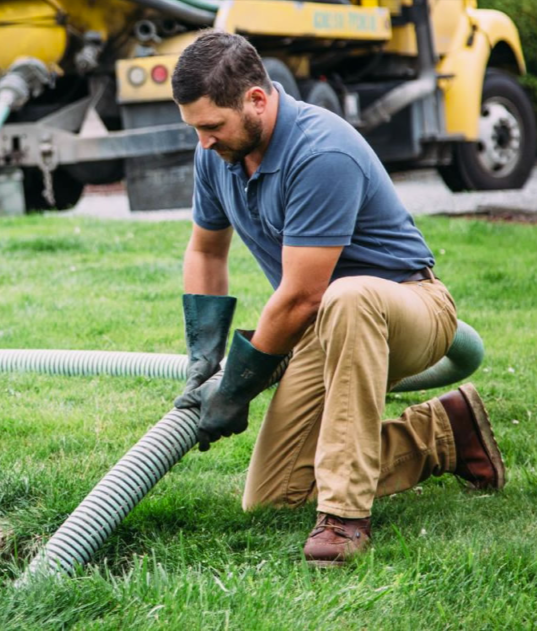
Discover the convenience of clean, dependable septic services amidst the charm and beauty of Mars Hill, Tennessee. Nestled near the captivating Mars Hill Nature Park, our services enhance any occasion by offering seamless sanitation solutions tailored for Mars Hill's unique atmosphere. Our team is dedicated to providing exceptional service that elevates the guest experience with efficient, reliable septic and restroom facilities. Local beauty and practical solutions blend effortlessly when you partner with us for your sanitation needs. Our offerings cater to the specific desires of the Mars Hill community, promoting satisfaction and comfort at every event. Whether it's the lively festivities of the Mars Hill Heritage Festival, an intimate wedding, or welcoming a crowd to a local park or attraction, our facilities ensure all guests feel at home. Let us show you why we're the top choice for sanitary solutions in this picturesque area. Aligning with Mars Hill's commitment to nature and community, our services reflect the area's values through environmentally-friendly practices and high-quality solutions. We provide advantageous options for events of all sizes, dedicating ourselves to the satisfaction of both event planners and guests. When it comes to maintaining public spaces, partnering with a septic service that understands the essence of Mars Hill is key. Choose us for clean, convenient, and reliable service beyond what you expect.
Choosing MC Septic in Mars Hill means selecting top-tier service from professionals who are firmly rooted in the local community. Our unwavering commitment to quality and customer convenience stands out.We provide a comprehensive array of services designed to meet varied customer needs. Whether you require sanitary solutions for weddings or reliable facilities for construction sites, our team brings extensive experience and expertise. Our dedication to customer satisfaction ensures each service is completed with meticulous attention, offering not just a temporary fix but a promise of excellence.In Mars Hill, we pride ourselves on being more than a local service provider. We actively contribute to the community we serve, striving to make every interaction with us a positive one. Our reputation for reliability and quality has been built over years of diligent work, establishing us as the premier choice for septic solutions by consistently honoring our commitments.
MC Septic delivers fluid and trustworthy services wherever they're needed, ensuring fast and reliable septic experiences for each client. Our fleet of professional vehicles and seasoned technicians operates throughout Mars Hill, efficiently reaching homes, businesses, and events.We understand the importance of time-sensitive service, and our rapid response ensures that needs are met before problems arise. Our streamlined process of delivery, setup, and removal offers a hassle-free sanitation solution tailored to your circumstances. When others falter, our team at MC Septic remains steadfast, providing consistent, top-quality results for every client.We prioritize delivering excellence consistently. Our proven track record of satisfied customers and well-maintained facilities underscores our commitment to bringing the best septic experience to Mars Hill. With us, rest assured that satisfaction and reliability are always top priorities, blending seamlessly with efficiency and speed.
Discover Our Septic in Mars Hill
Renting a septic unit in Mars Hill has never been easier, thanks to our straightforward and efficient process designed to meet all customer needs. Begin by navigating to our website where you'll find convenient forms located at both the top and bottom of each page. Simply fill in your first name, last name, phone number, and email to facilitate the reservation. Additionally, ‘Get A Quote' buttons prominently placed on each page of our site allow for immediate access to our team who will provide precise estimates tailored to your specific requirements. Our online form streamlines communication, ensuring that every inquiry is met with timely responses and clear terms. Once submitted, a knowledgeable team member will contact you to discuss the details and execute the next steps smoothly. Our commitment to excellent customer service means you'll experience minimal wait times and maximum clarity—guaranteeing that each step towards booking your septic service is uncomplicated. Our procedures are designed to accommodate any demand, whether for major events or smaller gatherings, adapting swiftly to facilitate ongoing projects and one-time events alike. Trust our experienced staff to arrange all logistics effortlessly, providing comprehensive guidance from the point of inquiry to the conclusion of services. They offer insights and advice for selecting the proper setup and can coordinate multiple services if needed. With MC Septic, secure transparent quotes, a seamless booking experience, and guaranteed reliability—all necessities for ensuring peace of mind as you plan your event or complete your project. Contacting us will be the first step towards stress-free sanitation services in Mars Hill.
Knowing the delivery timeframe for your septic order is crucial for planning any project or event. At MC Septic, we prioritize providing quick and reliable service, ensuring that your needs are met promptly and efficiently. Generally, for standard orders, we can deliver septic solutions within 24 to 48 hours after order confirmation. This timeframe allows us to prepare and dispatch our top-tier services with precision, ensuring customers always receive fresh, clean units every time. Our team understands that each client's situation may vary, so we're flexible with timelines, striving to accommodate specific delivery requests whenever possible. For urgent needs or large-scale orders, our experienced staff provides additional support, arranging expedited service to maintain the seamless execution of your plans. With an extensive fleet and network, MC Septic remains fully equipped to handle sudden demands, catering especially to unexpected situations that require immediate action. To guarantee the best results, we recommend placing orders as soon as initial plans begin forming. Early communication allows for meticulous arrangements and ample time for any special accommodations needed. Trust MC Septic to prioritize your timelines and ensure efficiency throughout the process, offering peace of mind and unparalleled convenience for every septic rental in Mars Hill.
Yes, at MC Septic, we are well-equipped to service all types of events and construction projects. Our comprehensive offerings cover a wide range of events, including large-scale festivals, sporting events, and refined occasions like weddings, corporate gatherings, and family reunions. We specialize in providing luxury restroom trailers, portable toilets, roll-off dumpsters, and a range of additional services tailored to enhance the experience. Our selection includes ADA units, portable sinks, and hand sanitizer stations, ensuring every guest is accommodated, with emphasis on convenience and accessibility. Our versatility extends to robust construction services, offering durable fencing and barricades designed for optimal site security and organization. Bolstered by our commitment to unmatched quality, MC Septic ensures clean, reliable, and functional service at every touch point. Whether the event or project is large or small in scale, our skilled team partners closely with clients to identify and deliver the most suitable sanitation solution. Our approach is comprehensive, taking account of every detail to minimize disruptions and maximize impact. Experience the excellence of personalized service designed to make your Mars Hill event or construction project a resounding success.