Restroom trailers offer numerous eco-friendly advantages, making them a preferred choice for environmentally conscious event planners and businesses. Firstly, these trailers are designed to significantly reduce water waste, utilizing advanced plumbing that minimizes the need for continual water supply while maintaining hygiene and comfort. The use of water-saving fixtures not only lowers consumption but also decreases the environmental impact typically associated with traditional plumbing systems. Furthermore, many restroom trailers incorporate solar panels and energy-efficient lighting, reducing reliance on electricity from non-renewable sources. This integration of renewable energy sources ensures that events held in remote locations or outdoor settings can maintain functionality without excessive energy consumption. Beyond their energy-efficient attributes, restroom trailers also support waste reduction efforts by using biodegradable cleaning agents and eco-friendly sanitizing products, which minimize chemical runoff and environmental harm. By opting for restroom trailers, event organizers contribute to a greener environment through reduced carbon footprints associated with transportation and infrastructure development. These units are self-contained, meaning they require less logistical planning and avoid the need for invasive ground installations, which can disrupt local ecosystems. Additionally, the durability and reusability of restroom trailers ensure they have a longer lifespan compared to traditional portable restrooms, preventing the frequent turnover and waste generation common in less sustainable options. Moreover, manufacturers of modern restroom trailers have begun implementing recyclable materials in construction, further enhancing their sustainability credentials. As more industries and individuals transition to eco-friendly practices, the utilization of restroom trailers exemplifies a commitment to ecological stewardship without sacrificing quality or convenience. Deciding to use restroom trailers represents more than just a functional choice—it reflects a conscious decision to prioritize and support sustainable solutions that benefit both the environment and society. As awareness grows, gradual shifts toward using these eco-friendly alternatives contribute to broader environmental efforts and signal a responsible approach to sanitation management in various contexts.

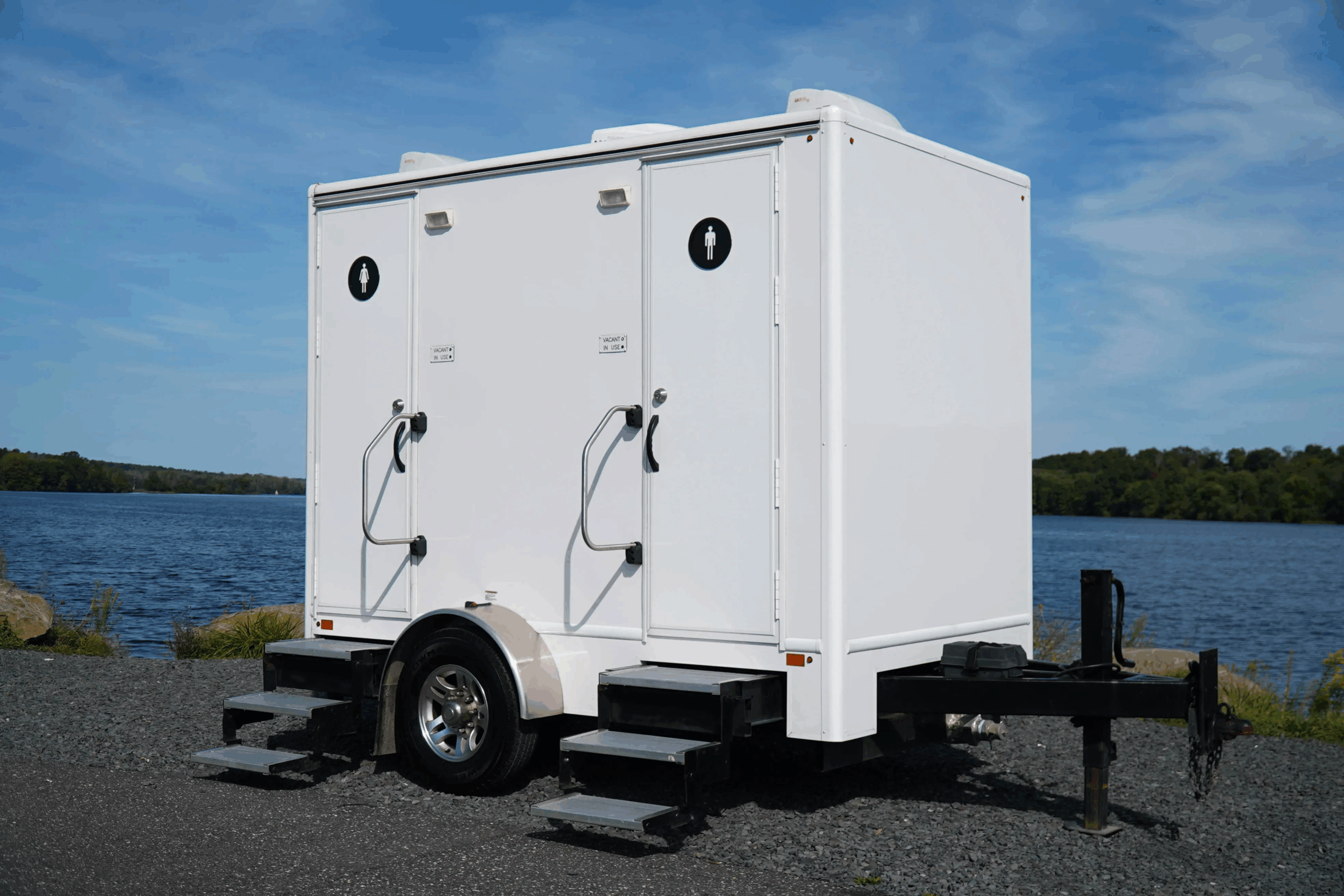
Restroom Trailer Rentals in Union County
Call today for a free quote (423) 740-6901
Restroom Trailer
Fast, Easy, & 100% Free To Get Started
Over 20 Years of Expertise
With over 20 years of experience, MC Septic Services is a staple in Union County, offering unparalleled quality and community-focused service in restroom trailer rentals. Our commitment to customer satisfaction and high standards sets us apart.
Exceeding Quality Standards
We prioritize quality in every aspect of our restroom trailer services, ensuring that each unit meets the highest standards of cleanliness, functionality, and comfort, creating a superior experience for every client.
Prompt and Reliable Delivery
Our team guarantees timely delivery of restroom trailers, offering a seamless and efficient service that aligns perfectly with your schedule, ensuring no event or project suffers from delays in sanitation solutions.
Convenient Restroom Trailer Solutions in Union County
Call for a Free Quote Today
(423) 740-6901
As the leading provider of restroom trailers in Union County, Tennessee, we pride ourselves on being dependable, reliable, and locally owned. Our well-maintained trailers are perfect for construction sites, parties, festivals, and weddings, ensuring that you and your guests experience cleanliness and comfort. Trusted by locals and surrounding areas, our service is built on promptness and professionalism, further strengthened by our strong community ties. Whether you are planning a small gathering or a large event, our innovative restroom facilities accommodate all your needs. Let us help you make your next event a success with our top-tier restroom trailer rentals.
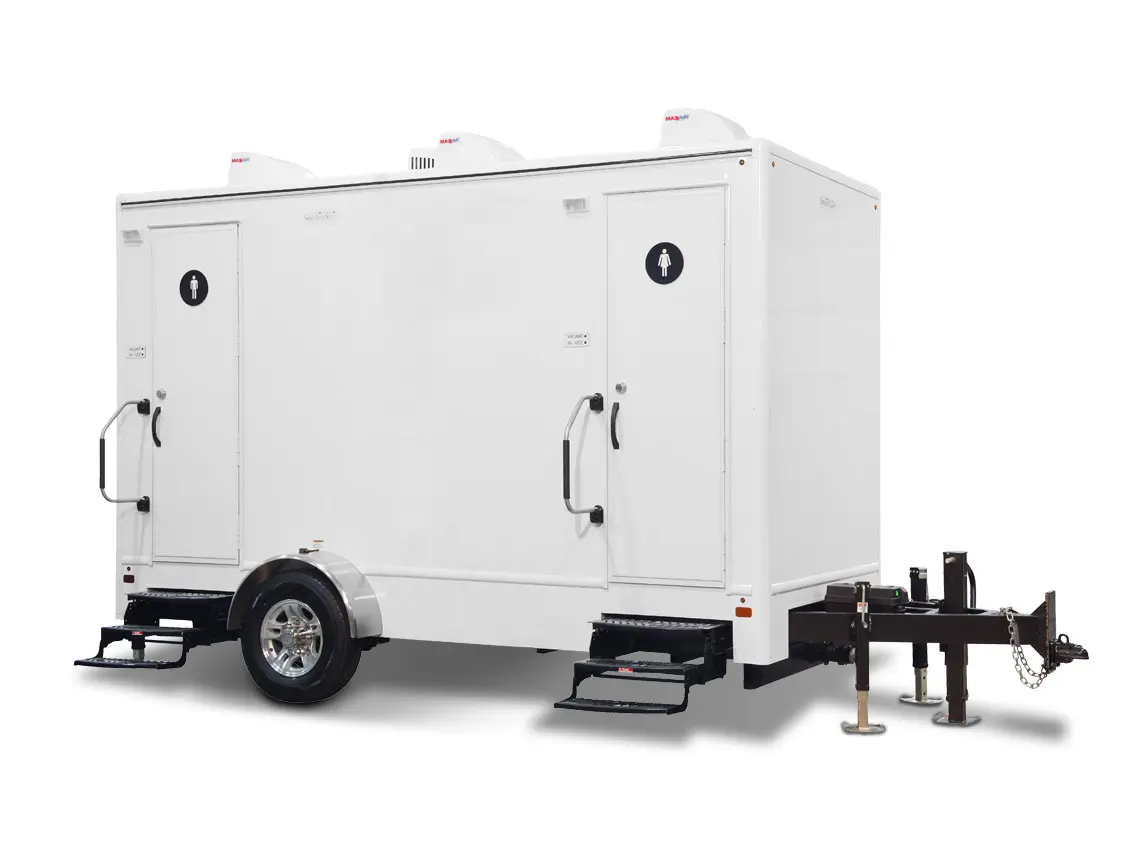
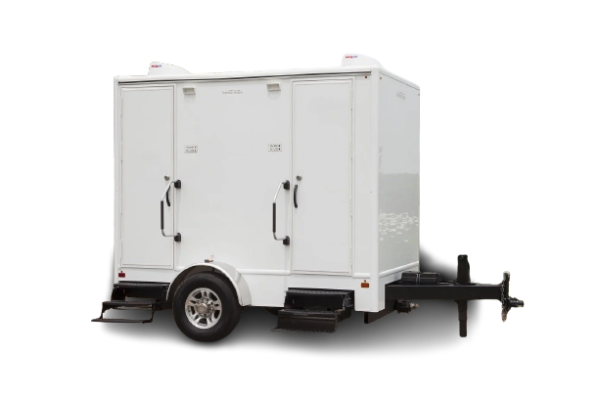
A compact, stylish solution featuring separate entrances for men and women.Each private suite includes flushing toilets, sinks with running water, interior lighting, and climate control for comfort at any event or worksite. (We offer variants 2–10 stalls.)
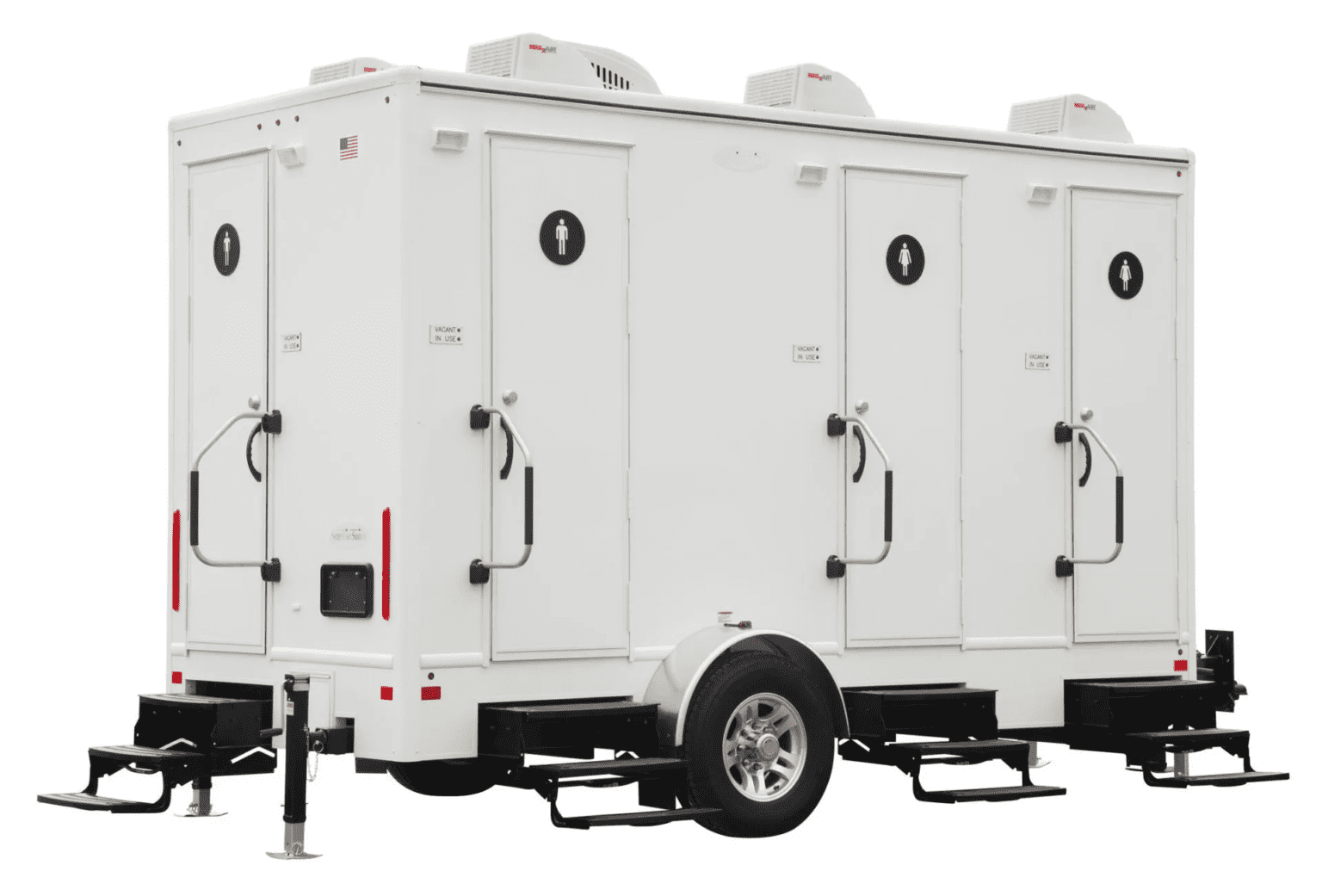
Designed for higher guest capacity, this unit offers four private, individual restrooms with flushing toilets, sinks with running water, interior lighting, and climate control. Ideal for weddings, festivals, and busy job sites.(We offer variants 2–10 stalls.)
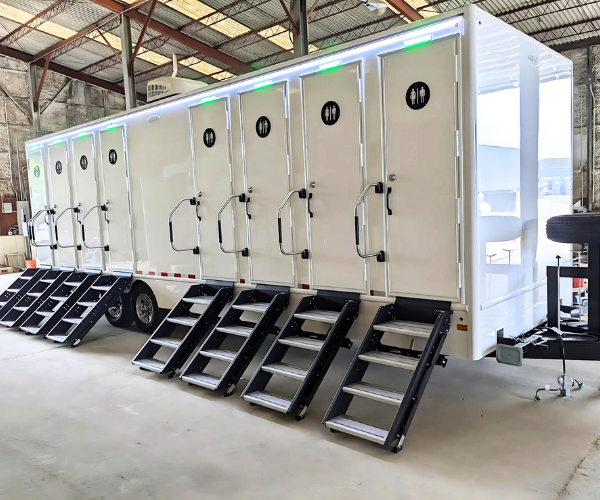
Perfect for large events and high-traffic sites, this spacious trailer provides eight private stalls, each with a flushing toilet, sink with running water, interior lighting, and climate control. A reliable, upscale solution for maximum convenience and comfort.(We offer variants 2–10 stalls.)
We Proudly Serve
Standard Portable Toilets
MC Septic provides standard portable toilets across Tennessee, ensuring cleanliness and convenience for every client.
High Rise Portable Toilets
Our high rise portable toilets efficiently serve Union County, suitable for construction sites and tall building projects.
Restroom Trailers
Experience premier restroom trailer rentals in Union County with MC Septic's luxurious and accessible sanitary solutions.
Roll off Dumpsters
MC Septic's roll-off dumpsters in Union County offer efficient waste management options for all types of projects.
Septic Tank Cleaning
Expert septic tank cleaning by MC Septic ensures optimal system functionality and hygiene across Tennessee.
Grease Trap Cleaning
In Union County, our comprehensive grease trap cleaning service by MC Septic prevents buildup and fosters sanitation effectiveness.
Fencing & Barricades
MC Septic provides sturdy fencing and barricades in Tennessee, enhancing security and order for all events.
Residential Storage
Union County's trusted choice for residential storage solutions with guaranteed safety and accessibility, by MC Septic.
Union County Portable Sanitation Solutions
Renting a restroom trailer in Union County has never been easier, thanks to our streamlined process. Simply use the dedicated forms found at the top and bottom of our webpages or click the 'Get A Quote' buttons strategically placed throughout the site. These buttons redirect you to a user-friendly form asking for your first name, last name, phone number, and email. This information enables us to provide an accurate and personalized quote tailored to your specific needs. Additionally, our responsive team stands by to assist with any questions or further guidance required during the rental process. We pride ourselves on our ability to offer a straightforward, efficient, and fast-tracked service, ensuring that access to high-quality sanitation solutions is always within reach. By choosing us, you opt for reliability and convenience, epitomizing our commitment to superior service in restroom trailer rentals.
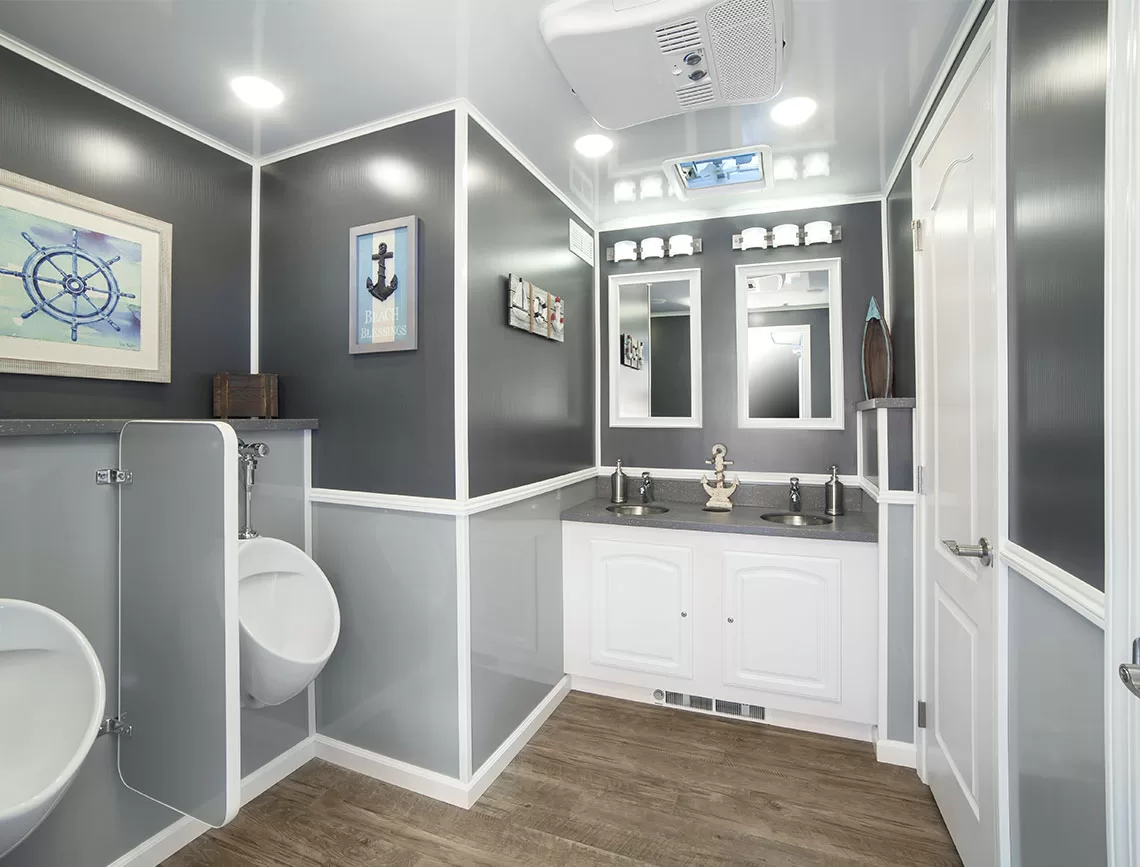
Union County is renowned for its welcoming charm, lush outdoor spaces, and vibrant community events, making it an ideal location for gatherings of all sizes. Our Restroom Trailers are perfectly suited to complement this unique setting, offering a blend of reliability and convenience. Whether you're attending the Union County Fair, enjoying the scenic beauty of Big Ridge State Park, or hosting a personal event, you can trust our services to deliver comfort and cleanliness, enhancing every occasion. With a focus on enriching guest experiences, our trailers provide the level of sophistication and practicality needed to make each gathering memorable. As locals ourselves, we understand and appreciate the beauty and communal spirit of Union County, tailoring our offerings to meet the highest standards. Choose our restroom trailers for any event, large or small, to ensure it reflects the best that this charming location has to offer.
Located in Union County, our company is dedicated to providing the best restroom trailer services in the region. With a comprehensive understanding of local needs and preferences, we stand out as the premier choice, offering personalized solutions that match the community's spirit. Our emphasis on quality and customer satisfaction drives our operations, ensuring that every trailer we provide meets your event's unique requirements. Trust us to be your first choice in Union County for seamless sanitation services, and experience the difference that comes with our commitment to excellence. With us, your guests' comfort and the seamless operation of your event remain our top priority, setting the standard for dependable and quality restroom trailer services in your area.
Our company takes pride in offering fast and reliable restroom trailer services throughout Union County. When you choose us, you partner with a team dedicated to punctuality and responsiveness. We ensure each restroom trailer arrives on time, is expertly set up, and perfectly tailored to meet your needs. Our solid reputation rests on trust and consistency, giving clients peace of mind by delivering sanitation solutions that not only arrive promptly but also function seamlessly during your event. As Union County's trusted provider, your satisfaction remains our top priority, backed by our steadfast commitment to service excellence.
Explore Our Restroom Trailer Services in Union County
Renting a restroom trailer in Union County is straightforward and convenient through our optimized online system. Begin by visiting our website where you'll find the necessary forms prominently displayed at the top and bottom of each page. These forms request essential contact information, including your first name, last name, phone number, and email, allowing us to personalize your rental experience. Alternatively, throughout our site, you will notice multiple 'Get A Quote' buttons strategically placed to enhance accessibility. Clicking these buttons will guide you to the same streamlined form, ensuring immediate response from our responsive team, ready to assist with tailored solutions for your event or project. Designed with user experience in mind, our website supports a seamless rental process, complemented by our commitment to customer satisfaction. For further assistance, our customer service line remains open to address any inquiries or provide additional clarity on rental procedures, pricing, and logistics. Renting a restroom trailer with us guarantees quick and efficient service, reflecting our dedication to offering high-standard amenities across Union County. Our rental process underscores a transparent approach, making it easy for you to secure top-quality sanitation units without any hassle, whether for corporate events, weddings, or construction sites.
The typical delivery timeframe for a restroom trailer order is influenced by several key factors, ensuring that every aspect meets client expectations and logistical needs. Upon receipt of your order, we prioritize swift processing to minimize any delays and coordinate with you to confirm preferred delivery slots. Most commonly, restroom trailers can be delivered within 24 to 48 hours from the confirmation of the booking, subject to the alignment with local scheduling demands and site readiness. We understand the criticality of punctuality in event preparation, and as such, our team is committed to maintaining proactive communication, updating you on the precise status and expected arrival time of your trailer. This commitment involves comprehensive planning and efficient resource allocation to accommodate both short-notice and scheduled deliveries alike. Our robust logistics framework facilitates timely service across Union County and beyond, ensuring that restroom trailers arrive ready for use and perfectly aligned with event timelines. In cases where special accommodations or extended travel are necessary, our delivery team remains flexible, working closely with you to overcome any challenges presented by route constraints or site-specific requirements. Advanced bookings allow extra assurance of desired delivery windows, helping us to further optimize service provision. Ultimately, our focus centers on delivering restroom trailers when needed, where needed, under a promise of reliability and customer satisfaction, integral to elevating your event experience.
Yes, we are fully equipped to service all types of events and construction services with our comprehensive range of sanitation solutions. Our offerings extend to festivals, sporting events, weddings, corporate gatherings, family reunions, and any other special occasion requiring reliable and high-quality restroom facilities. We specialize in providing luxury restroom trailers that complement the elegance of weddings and VIP events, as well as standard units perfect for bustling festivals and public gatherings. Our diverse product lineup includes porta potties, roll-off dumpsters, fencing, barricades, holding tanks, ADA units, portable sinks, and hand sanitizer stations, catering to varied event scales and requirements. Each unit is meticulously maintained to ensure it meets the rigorous hygiene and comfort standards expected by both you and your guests. With the infrastructure to support significant construction services, we also address the dynamic needs of construction sites, offering durable and practical restroom options that uphold hygiene standards amid challenging environments. Whether your project necessitates temporary or extended service provision, our commitment to adaptability and efficiency guarantees that all specifics of your service expectations are met. Our team, backed by industry experience and a focus on complete customer satisfaction, remains at your service to guide every step of the rental process, enabling stress-free planning and coordination for any event or service necessity.