The eco-friendly advantages of portable toilets are numerous and important in today's environmentally conscious society. Portable toilets are designed to use minimal water compared to traditional restroom facilities, making them a sustainable option for both events and construction sites. With each flush of a traditional toilet potentially consuming several gallons of water, portable units use chemical solutions to eliminate waste, significantly reducing water usage. Additionally, portable toilets contribute to sanitation and hygiene by preventing human waste from contaminating landscapes and water supplies, which is vital for protecting public health and local ecosystems.In the manufacturing and materials used, many modern portable toilets are constructed from recycled and eco-friendly materials, further minimizing their environmental footprint. Companies often employ eco-conscious practices such as recycling waste products and using biodegradable chemicals to break down waste, which enhances their sustainability profile. Another key benefit is that portable toilets require less infrastructure development; they can be readily positioned in diverse locations without the need for extensive plumbing or water supply lines, reducing the impact on local environments.For areas prone to water shortages or where conservation is a priority, portable toilets serve as a temporary solution that aids in water preservation efforts. Their utility in disaster relief situations also underscores their adaptability and effectiveness in providing necessary sanitation with minimal environmental disruption. The ongoing technological developments in the portable sanitation industry focus on reducing ecological impacts even further, from energy-efficient lighting in units to advanced waste-processing techniques.Recognizing and utilizing portable toilets as an environmentally friendly sanitation option helps event organizers and site managers meet their sustainability goals. The broad adoption of such facilities indicates a positive trend toward integrating eco-friendly practices in daily operations, mitigating environmental harm while providing necessary human comforts.

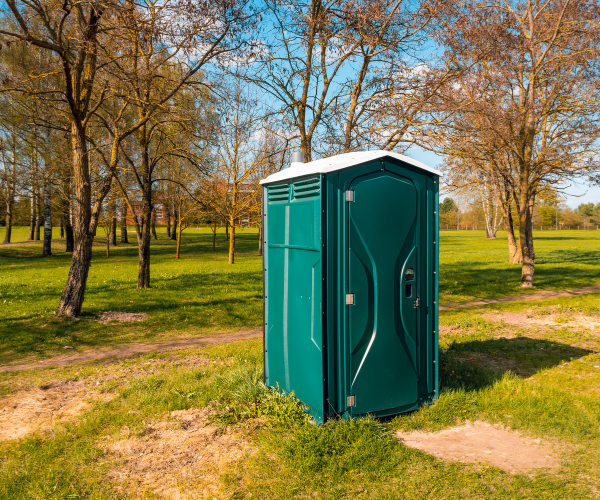
Portable Toilet Rentals in Hancock County
Call today for a free quote (423) 740-6901
Portable Toilet
Fast, Easy, & 100% Free To Get Started
Over 20 Years of Experience
MC Septic, with over two decades of experience, has established a trusted reputation for quality in Hancock County. Our strong local roots inspire us to provide excellence and satisfaction consistently.
Committed to Quality Service
MC Septic sets the benchmark for unmatched quality in portable toilet services. Our dedication ensures clean, comfortable, and hassle-free experiences every time.
Fast, Reliable Delivery
Our team guarantees quick and efficient delivery, ensuring your portable toilet needs are met with precision and speed. We prioritize timeliness and reliability in every service.
Reliable Portable Toilet Solutions in Hancock County
Call for a Free Quote Today
(423) 740-6901
MC Septic delivers essential portable toilet services in Hancock County, offering thoroughly serviced and reliable units tailored for various events. We are locally owned and operated, with a commitment to our community and a reputation for dependability. Our services extend beyond Hancock County to nearby regions, providing clean and accessible facilities for construction sites, parties, festivals, and weddings. Our focus on customer satisfaction drives us to ensure prompt delivery and pickup, maintaining a standard of excellence you can trust. Discover our range of solutions designed to meet your specific needs and experience the benefits of working with a dedicated team. Choose us for your next event and enjoy peace of mind, knowing you've partnered with a leader in portable sanitation services.
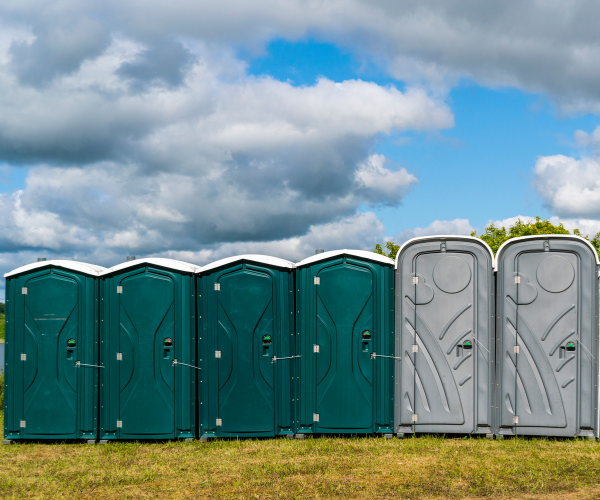
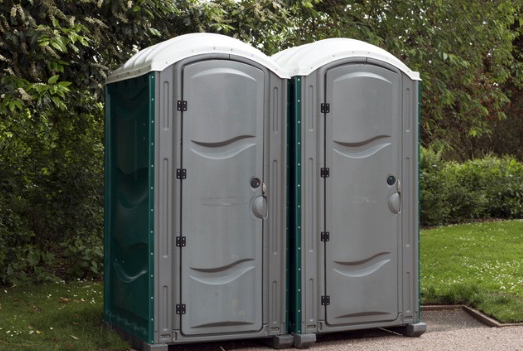
Our standard porta john rental units are durable and reliable for any commercial build site, housing development, public works project, or remodel job.Features include dome lighting, grated floors, and an “In-Use” locking mechanism for privacy and comfort. Regularly maintained, inspected, and cleaned by FusionSite at your location.
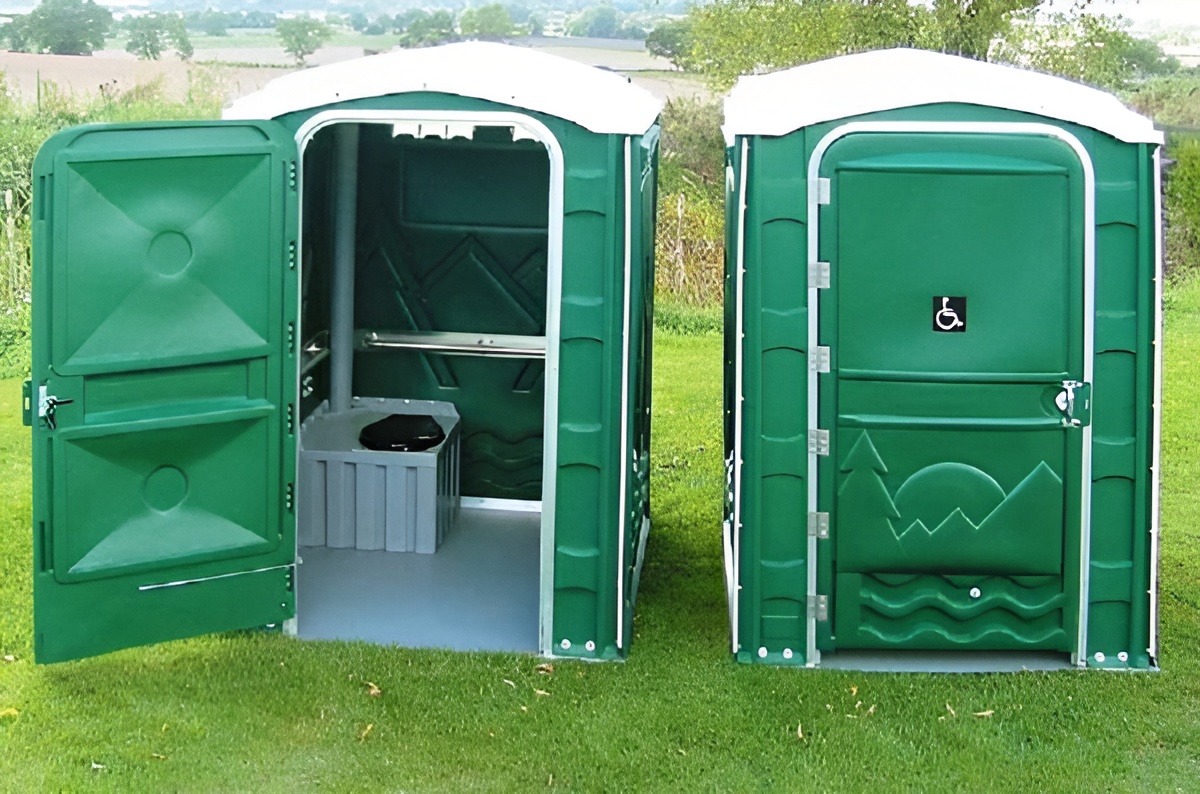
Developed as an alternative to full ADA-compliant restrooms, the Liberty is a spacious, wheelchair-accessible unit that can also be promoted as a family-sized restroom. Includes a patented flat-floor system for easy wheelchair access and maneuverability.Handrails, paper holder, and rotary latch are designed for simple, intuitive end-user operation.
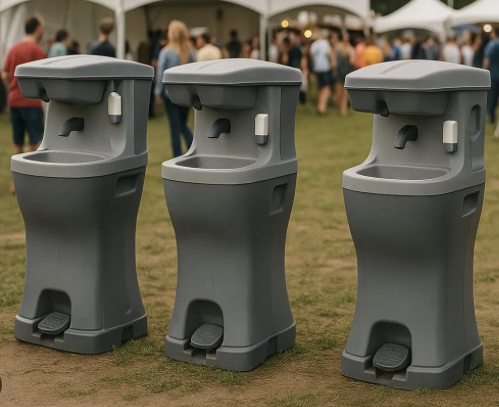
Portable hand washing stations are essential for keeping your work site sanitary and clean. Features hands-free foot pumps, liquid soap, and paper towels.Perfect for job sites without water hookups, these units can handle hundreds of washes between services.
We Proudly Serve
Standard Portable Toilets
Standard Portable Toilets from MC Septic offer a hygienic, cost-effective solution for temporary sanitation needs across Tennessee.
High Rise Portable Toilets
Our High Rise Portable Toilets are specially designed for efficient use in Hancock County's urban construction sites.
Restroom Trailers
MC Septic's Restroom Trailers offer luxury and comfort for events in Hancock County, equipped with amenities to enhance user experience.
Roll off Dumpsters
MC Septic's Roll off Dumpsters provide robust waste management solutions in Hancock County, suitable for large events and construction sites.
Septic Tank Cleaning
Our Septic Tank Cleaning service ensures efficient and thorough waste removal, preventing costly repairs in Tennessee homes and businesses.
Grease Trap Cleaning
Reliable Grease Trap Cleaning services are available in Hancock County, ensuring your kitchen operations remain smooth and compliant.
Fencing & Barricades
MC Septic provides professional Fencing & Barricades services throughout Tennessee, enhancing security and crowd control for various events.
Residential Storage
Secure your belongings with MC Septic's Residential Storage services, offering convenient options right here in Hancock County, Tennessee.
Hancock County Portable Toilet and More
Getting a quote and scheduling delivery for portable toilets with MC Septic is not only remarkably straightforward but also quick and convenient. We embrace technology to ensure you're just a few clicks away from understanding the scope and pricing of our services. Start by filling out the straightforward form available at both the top and bottom of our page. Here, you'll simply input your first name, last name, phone number, and email - and you'll be on your way to getting a personalized quote almost instantly. Alternatively, make use of the prominent 'Get A Quote' buttons scattered throughout our website, making navigation an absolute breeze.Once you've provided your details, expect to hear from us swiftly. Our commitment is towards minimizing waiting time so you can focus on planning the critical aspects of your event or construction project. Whether you're planning a large-scale festival needing numerous porta-potties or a quaint garden wedding with a single restroom trailer, our team ensures that your specifications are met without delay or hassle.Upon receiving your request, you'll benefit from a transparent and competitive pricing model that doesn't involve hidden fees. Our approachable customer service representatives are ready to discuss any specific needs you might have, ensuring the products you choose are precisely what your event or site requires. Furthermore, the delivery of units is seamlessly integrated into the rental process. Our professional drivers take care of everything from transportation to setup, ensuring your units are delivered correctly and positioned in their designated locations without stress or inconvenience to you.The consistent effort we put into maintaining our units means that you are assured of higher standards of hygiene and sanitation, complemented by our timely and efficient service. Let MC Septic help assure the success of your event or project with our committed and professional approach to portable sanitation solutions.
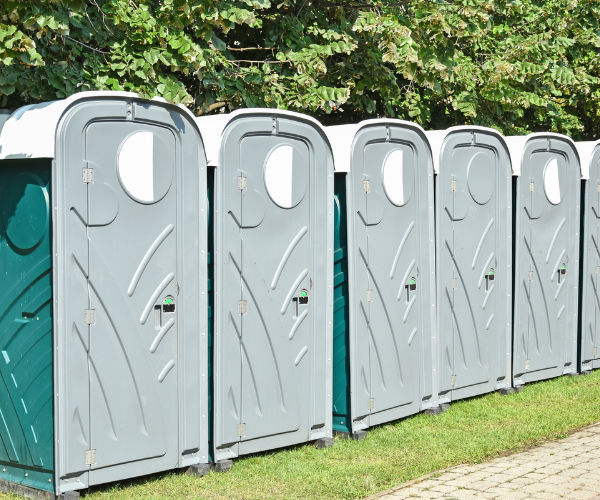
Hancock County's natural beauty and small-town charm make it a perfect location for gatherings, creating opportunities for outdoor events and vibrant community happenings. Whether you're hosting a wedding against the scenic backdrop of the Clinch River or organizing a lively festival in Sneedville, such as the beloved Hancock County Fair, ensuring clean and reliable restroom facilities is a non-negotiable for guest satisfaction. At MC Septic, we offer portable toilets that blend seamlessly with the local environment while providing essential comfort and hygiene. Our well-maintained units cater to a variety of needs, from basic accommodations to luxury restroom trailers equipped with modern amenities. Such units are perfect for enhancing the overall guest experience, making sure every detail of your event shines. Convenience is at the forefront of our service offering. We are proud to be locally focused, which means rapid response times for delivery and servicing, regardless of the event scale. This commitment, combined with our competitive rental prices and exceptional service, positions MC Septic as the top choice for portable toilet solutions in Hancock County.
MC Septic stands unrivaled as the top provider of portable toilet services in Hancock County, thanks to our unwavering dedication to quality and community. Our local presence allows for a personalized touch often missing from larger providers, ensuring every client receives attention tailored to their specific needs and occasions.The choice of MC Septic is a choice for reliability, backed by a team committed to providing clean and durable units capable of serving various events and construction projects. Our commitment to maintaining strong client relationships sets us apart, offering a seamless rental experience from inquiry to post-event follow-up.Convenience, competitive pricing, and a touch of local charm make us the preferred partner for sanitation solutions in our county. Partner with us to add comprehensive, hassle-free portable toilet solutions to your next event, and experience firsthand why so many locals choose MC Septic as their trusted service provider.
In Hancock County, where time is often of the essence, MC Septic is synonymous with fast and reliable portable toilet services. We place immense focus on meeting the urgent needs of every client, whether for last-minute events or scheduled maintenance at construction sites.Convenience defines our service, starting with an easy quote process that quickly transitions into efficient delivery logistics coordinated by our adept team. Our drivers arrive on time, survey the landscape for optimal placement, and set up the units without causing disruptions, making sure your event or project runs smoothly.The assurance of quality lies in our consistently well-maintained units, which are sanitized and inspected before each deployment. With our emphasis on speed without compromise on quality, MC Septic ensures that all your sanitation needs are met swiftly and thoroughly, elevating your event experience with our unbeatable service delivery standards.
Learn More About Our Portable Toilet in Hancock County
Renting a portable toilet in Hancock County has been made exceedingly straightforward through our intuitive processes at MC Septic. To begin, visit our website where you'll find accessible forms prominently placed at both the top and bottom of each page. The process is seamless: simply fill out your first name, last name, phone number, and email. By doing so, you're already stepping into an easy and straightforward rental journey.Throughout the site, we feature 'Get A Quote' buttons to further simplify this process, facilitating access no matter where you are on our platform. Once you've submitted your details, our team, known for its prompt and thorough customer service, will quickly reach out, offering a personalized quote tailored to your specific requirements. Our commitment is not just to deliver equipment but to ensure the entire process, from inquiry to setup, is efficient and hassle-free.We pride ourselves on providing transparent pricing, ensuring that you understand the full scope of rental costs without hidden fees. This translates into making informed decisions, understanding all the components of your rental agreement with clarity. Included in our service is our dedication to addressing any unique needs you might have, ensuring that the products you receive are exactly what you need to ensure the success of your event or project.Whether for temporary construction needs or scheduling a multi-unit setup for an event, our seasoned team coordinates every detail expeditiously. Customers can rely on us to ensure delivery times are met within their precise needs. With testimonials from satisfied clients emphasizing an ability to cater to a wild variety of occasions and timelines, MC Septic stands as the agile partner you need for your portable toilet rental in Hancock County.
When planning your event or construction project, understanding the delivery timeframe for portable toilet orders is crucial to ensuring seamless operation. Typically, MC Septic provides an impressively swift delivery service for portable toilet orders, thanks to our depth of inventory and strategically positioned teams. When your order is placed, discussions with our customer service representatives will establish the timeline that best suits your specific requirements, ensuring that delivery fits seamlessly into your event or project preparations.We pride ourselves on offering flexible scheduling options that accommodate last-minute changes, as well as catering efficiently to events planned well in advance. As a standard practice, our delivery timeframe for portable toilet rentals often ranges from 24 hours to a week, but customized service is always possible, with expedited options available for urgent needs.During this time, the logistics—ranging from transportation protocols to onsite placement considerations—are meticulously arranged by experienced members of our team, ensuring there is no disruption upon arrival. Once on-site, the units are positioned strategically to provide maximum convenience to attendees or workers, with all hygiene and operational needs addressed before you take control.In addition to providing a timely delivery, our team remains available to manage any operational questions or additional support that might arise. This commitment reflects our deep-rooted dedication to not only meeting but surpassing client expectations across all facets of our service delivery cycle. Choosing MC Septic means you benefit from industry-leading response times and personalized service strategies designed to enhance the utility and functionality of our portable toilet solutions for any occasion.
Yes, at MC Septic, we pride ourselves on our ability to service any type of event or construction service with versatile and reliable solutions tailored to your unique needs. Whether it's a lively festival, a refined wedding, or an action-packed sporting event, our portable sanitation options are designed to complement your event's settings with discretion and efficiency, ensuring all guests or workers have access to clean and hygienic facilities.Our service repertoire includes luxury restroom trailers for upscale occasions, standard porta potties for larger events, and specialty units such as ADA-compliant toilets for accessibility. For construction sites, we offer durable construction units, ensuring long-term resilience amidst demanding conditions. Our comprehensive offerings extend to roll-off dumpsters, portable sinks, and hand sanitizer stations, broadening the scope of sanitation support we provide.Moreover, we also supply fencing and barricades to aid in crowd control and site security, bringing additional layers of safety and organization to your event or project. Around the clock, our team is available to ensure that all your needs are met, with quick service adjustments made possible through our vast local presence in Hancock County and beyond.Your event or construction project deserves the best, and by partnering with MC Septic, you benefit from a full suite of services ensured by a team passionate about quality and customer satisfaction. Enjoy the assurance of seamless operational support, experienced guidance, and top-notch facilities, making us the ideal choice for any of your portable sanitation needs.